Mom’s homemade Minestrone Soup: Is it “Clean” I wondered…?
A co-worker approached me last week to share that she had lost 10 pounds recently after she started to “eat clean”. I smiled the way I usually do when I really want to be happy for someone because they are happy….. yet my insides start churning because I absolutely hate the diet industry. I have learned that it does not help to freak out on anybody who is on a diet. It does not help to tell them that over 50 decades of research prove that diets don’t work in the long term and they often lead to food obsession and binge eating. People don’t want to hear that. They tune me out. So I just smile, but then usually ask what it is they are doing (if it is something scary I WILL share my opinion). It struck me that I honestly was not sure exactly what “clean eating” was. When I hear the word “clean”, I don’t think of food. I think of Lestoil. Or Comet cleanser, Windex, Pledge. Maybe Mr. Clean. You know, soap kind of things.
Anyway, when I asked this sweet person what it was exactly, she said it was about eating more whole foods instead of processed foods. Now that sounded pretty harmless. Still, I thought I should check it out a bit.
As it turns out, “clean eating” can mean a lot of different things to different people. The diet industry and diet world is pretty confusing (I think because they must have to change it up a bit, to keep making money off of promising something our culture values more than anything else: weight loss). Anyway, some clean eaters might fast intermittently, while others might eliminate many foods, considering some foods to be “bad” while others are “good”. But the basic premise of “eating clean” is to focus on whole foods verses processed foods. Hmmmm. Sounds like eating healthy, which can’t be bad. Or can it?
If we have the means to buy fresh foods, such as good meats, fresh fruits and vegetables, real cheese verses processed, good yogurt and bread made from real ingredients, then of course we should do that as much as we can. The problem lies in the extremes people go to eliminate foods, the guilt they feel when they break down and eat something processed, and the ultimate goal of eating this way (to lose weight). The thinking is at risk of morphing into the typical “diet mentality” or black and white thinking when it comes to foods and eating that lead to trouble. When this happens, then it becomes just another “diet” that will likely end in just another failure. Not good for our bodies or our self esteem (in other words, our physical and mental health).
If you are curious about this fad you need to be smart about it (sorry, I have to call it a fad because of it’s focus on weight loss). There is also sometimes a focus on unscientific claims about promoting fat-burning, and a yucky feeling of superiority I have sensed (if I don’t want to eat clean, does that mean I am eating dirty? I don’t get it). If you start believing you are totally going to eliminate any food from your diet (such as your favorite cookie, or favorite fast food burger) then you are setting yourself up, just like any other dieter. If, on the other hand, you truly are working on eating healthier, then trying to do more cooking, buying more whole foods instead of processed foods and being more moderate in your intake of those “fun foods” that don’t contribute much to your nutrition might be ok. Denying yourself totally of foods you really enjoy will only make you obsess about them more, and could likely lead to binge eating the very foods you have decided you shouldn’t eat.
So, as usual, my advice is to continue to care about your health and work on learning how to cook healthy but yummy foods. Work on getting more in tune with your body, your hunger and fullness, and getting rid of impossible food restrictions that do nothing to promote your health while draining your spirit and enjoyment of life. Eating should not be a moral issue and we should not be judged by what we do or don’t eat. In reality, it is quite simple, just like it always has been. I just wish we could return to the good old-fashioned lingo of “healthy” verses “clean”. To me, clean will still always refer to Lestoil.
For a great article on the topic, by another dietitian, see Clean Eating from Good Housekeeping Magazine.
PS If you are not eating any healthy foods like fruits and vegetables, meats and grains, and you drink lots of soda instead of water, and then suddenly stop drinking that soda and start eating more healthy foods, you may indeed lose weight. It has nothing to do with eating “clean” and more to do with making some healthy choices.
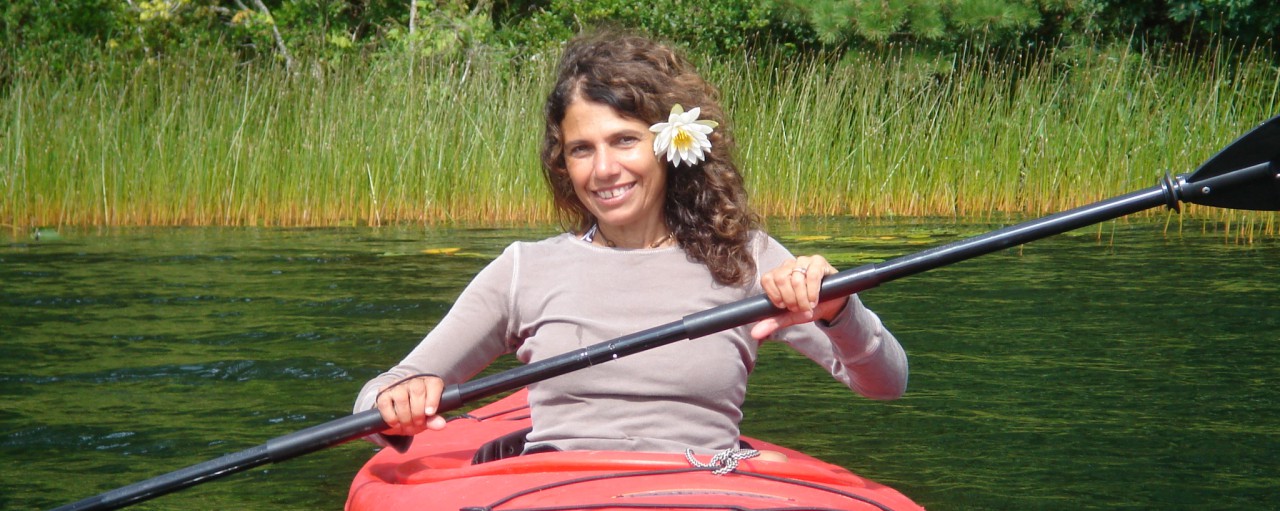
I have never heard a man complain about the size of his butt. Women, on the other hand, seem to scrutinize almost every inch of their bodies. Their hips are too big, their tummy too fat, their arms jiggle too much. Their neck is getting saggy and so are their breasts. We just can’t win in the body image world (or sometimes it seems). With eating disorders awareness week coming up, and without a week going by when I don’t hear at least one complaint from someone about their physical body, I thought it might be good to write about it. In particular, I was remembering a handout I used to use with my eating disordered patients called “The Theory of Expando Thighs” by Karin Kratina, PhD, RD. She is one of the most respected among the eating disorder and body image experts, so check out her website and the resources she provides (and she has a new book coming out soon).
I do want to be clear that although in my work and life I tend to hear more body image complaints from females, males are not immune. Body image concerns are not discriminatory. I bet we all know a man who complains about his abs. But for the purpose of this post, I am going to focus on women.
Anyway, I loved this handout because it was a great visual explanation of what is really going on when we look down at our thighs and it seems they have grown overnight. Sometimes our eyes don’t see the reality. Can a body part truly change overnight? No. So why is it that sometimes we feel that way? We look in the mirror and feel good. Then, we go to get ready for work, take another look and see something totally different. How does this hijacking of our mind, this total takeover happen?
The reality for most of us is we have so much going on in our lives. Stress at work, children to deal with, families, careers, school, and so many other things to think about. Yet, somehow, the size of our thighs (butt, arms, tummy) take center stage. The need to diet, count calories, lose weight, get these thighs back to normal becomes a priority. You should be trying to figure out what to do when your senior year ends. You should be filling out applications for that new job. You should really call that marriage counselor because for once, you told yourself you were determined to make your marriage better….or to end it.
None of these challenges sound like fun. Who enjoys worrying about getting a job? Who wants to think about the future? And who in the world really wants to see a therapist and delve into something that has the potential to turn your world upside down?
That’s where those thighs come in. And the calorie counting. And the gradual obsession with numbers and food. When you see your thighs as a sudden problem, you get to stress about it. Suddenly, you conveniently have something else to worry about. This is awful, these suddenly huge thighs! Time to diet, count calories, plan menus, etc, etc, etc. Who has time to think about the “real” (difficult, painful) issue. It works. As torturous as it may sound to have your thighs grow overnight, it is much easier to deal with than the real issues.
So, instead of seeing what is actually there, our eyes just might be seeing what is going to enable us to avoid “something”.
I don’t consider myself a body image expert by any means, however I have had the privilege to be educated over the years by my former patients who often had extreme body image distortion. There was no way for me to ever understand how someone who appeared emaciated to me could look in a mirror and see themselves as someone who needed to lose weight. One day, over 20 years ago, one of my patients, a very intelligent professional woman who had suffered for several years with an eating disorder was in for a weekly visit. Her weight was dangerously low and she had been in and out of the hospital. She told me she had had an amazing thing happen. She was in the process of applying for a new job and had to go shopping for a business suit. She first went into a department store at the mall, and no matter how small of a size she tried on, the suits just were too big. She figured it was just the brand, so she went to a different store. The same thing happened. Still, she told herself, it was the store, their clothes just ran big. After several stores, she was finally in the last one, a very expensive store that she was confident would have accurate sizing. She put on a suit jacket and looked in the mirror, and for a second, she said, she saw this emaciated woman swimming in a giant coat…..which was a size double zero. She left the store. This was the first time, she said, that she had ever seen herself as others see her. She said to me, “but, the eating disorder will not allow me to see myself as I truly am because then I would have to eat”. I will never forget that woman and the story she told me. For once, it kind of made sense.
Of course, someone with a clinically diagnosed eating disorder may suffer from the extreme as far as body image. Anyone, however, can get sucked into focusing too much on their bodies and end up wasting a lot of precious time. Whether you are having body image concerns or not, if there is something in your life you are not happy with (job, relationship, etc.) I always recommend getting some help. Life is too short to not be happy. Some things we just can’t control, but if we can, why not try? Even if you are in the worst of positions, and feel stuck and immobile, making that phone call is a step. It counts. You did something. You are moving in a better direction.
So next time you glance in the mirror, and something appears vastly different than the day before, don’t beat yourself up. And please, don’t take any drastic action. Instead, ask if there might be something in your life you could be avoiding….make a vow to work on your health (a very positive and rewarding goal). If you happen to be going through a difficult time, ask yourself if you can do it alone. With Eating Disorder Awareness Week starting tomorrow, make a pledge to start with yourself by loving and appreciating the body you have.
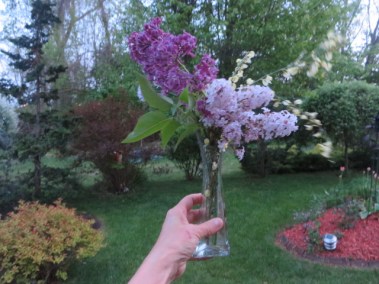
I woke up at 5:10 am today, a Saturday morning, because of it. Lying there in bed telling myself I should just try to sleep in did not work. I figured I might as well just get up and do what I wanted to do. The several random thoughts floating about in my head since about 3:30 am were kind of interesting (or so my sleepy mind thought) and I did not want to lose them. And then it struck me how joyful it felt to be compelled to get out of bed because you want to do something that you enjoy so much. And after THAT I realized, even though it is not specifically about eating, food, weight, health and all that, I wanted to write about it. Because, in a way, it’s all inter-tangled.
I am no expert on “passion”, but I do recognize it in others. And, although I often take it for granted, I know I am blessed with feeling passionate about many things in my life, my work being just one of them. Many of my closest friends know just what I mean (probably why I was drawn to them in the first place). They all work, or have worked in jobs that were much more than a paycheck. A few of them were special ed teachers, now retired. Now that I work in a school with over a hundred special needs kids, I totally get it. Your body can be filled with joy just walking down the hallway, watching the interactions of the dedicated staff and the children who love them. One of my friends who is a retired teacher (and who worked with behaviorally challenged inner city teens) now volunteers in a prison, helping to teach incarcerated men in hopes that they will have a chance at a new life. After many years of working, you would think she might want to sit around and relax awhile, but no. I am sure the gift of joy she gets when she leaves that prison far outweighs anything else. For some of my friends, caring for elder parents as well as being there for older children fills that need. And almost all of my friends have a passion for connecting and entertaining, sharing the joy of their homes and lives with each other.
Passion for some has nothing to do with their work (let’s face it, most of us tend to take jobs we may like, but also need to make ends meet). But, they find their joy in other ways. It could be creating the most amazing desserts in the world and watching the smiles on everyone’s face when they sink their teeth in. Or maybe it is renovating things, making old things new again. Creating things such as jewelry, playing an instrument, taking up a new sport, all of these things add a dimension to life that has nothing to do with making money. Gardening is a passion for many of my friends, myself included. Even when it is covered in a foot of snow, I still get that feeling when I look out at my garden with it’s angel statues and bird baths, ice covered pond and mini windmill spinning in the cold breeze. I know what’s under there and what will be popping up in just 60 days (but who’s counting?).
What happens when people don’t have a passion? We all know someone who tends to complain about everything. Or, maybe they just never seem too happy. Their lives may appear to be OK by typical standards. They have a good job, good relationship, health, a nice place to live, yet, something is “missing”. There is no feeling of joy present. Their energy does not fill you up, but instead tends to drain you. Of course, some people have big problems in life, and it definitely affect their happiness. That is not what I am talking about. It’s when everything in life is going smoothly, yet joy is still absent. What’s going on?
Could it be the absence of passion? I don’t believe it. I think we all have something we absolutely feel passionate about, but we ignore it. We are kind of brain-washed in our culture to do what it takes to be successful, make money, support yourself (unless that is just my experience or feeling, yours may be different). So we stop giving ourselves permission to act on our passions because they no longer are the priority in life. There’s no time.
Or, maybe we lose our passion because we just can’t accomplish it. We may have something we feel strongly about and want to share it with the world in our writing, or art or music. The reality hits that getting the word out on whatever it is that is so important to you may not go far. It’s easy to give up.
Maybe there is a way to reconnect with passion and add joy to life again. Ask yourself this question: what do I love to do? what makes me happy? Then, be honest about the first thing that comes to mind (“hula-hooping” popped into my mind….may have to go to the garage and drag it out). Or, is there something you have been working on because of your convictions, passion, beliefs? Have you started a novel, a painting, a cookbook, a small company but stopped because things aren’t moving as fast as you thought? Consider the way you feel when you are creating……isn’t it in the process that you feel that passion? Doesn’t that bring joy to life?
Making time for our passion is another story. Life is busy, yes, but if you are recording even one television show, then you have time (Beachfront Bargain, This Is Us, Walking Dead, I get it). Escaping with television, Facebook and YouTube might be relaxing, but making time for your passion, and finding joy in life is worth it.
So back to this morning and my tossing and turning and deciding to just get up. I was mentally working on a presentation I am doing (on a topic I happen to feel passionate about, Motivational Interviewing for Dietitians) specifically, how to use an empathetic counseling approach when it comes to helping children with weight issues. I came up with a few ideas for slides I did not want to forget. The second thing that was mixed up right in there with the slides was how to make a vegetarian lasagna for a gathering at my mom’s today. I literally was going through all of the ingredients I knew I had (fresh mozzarella, tomatoes, cauliflower, fresh basil, garlic, black beans, fresh Parmesan) and trying to decide if I need to run out to the store. Yes, cooking is another passion of mine, especially if I can be creative. And, one more thing jumbled up in there was figuring out my tasting for my nutrition class on Monday. Since another storm is brewing for Sunday, do I need to get to the store today? Another passion, making those kids happy.
One article in Psychology Today describes passion as “the last thing you think of before going to bed”, and “the first thing you think of when you wake up”. For some people with eating and body image issues, the obsessive thoughts about restricting, exercising, dieting, etc. do not represent healthy passion, and are anything but joyful. Maybe, getting reconnected with a healthy passion can add something positive to think about. Adding even one small happy thing to life is a step in the right direction. Plant a seed. Paint a picture. Volunteer at a soup kitchen. Take your grandmother out for ice cream. Make a new recipe.Sing a song. Jump rope, dance, and yes, hula hoop.
Margaret is in her 20’s, almost done with law school, an A student with a promising career ahead of her. Debbie is 54 years old. If you saw her you might think she’s got it all together for a woman her age. She is a smart dresser, hair always perfectly in place and she has energy galore. Pedro, on the other hand, is only 17. Tall and handsome with a shy smile who is the star swimmer for his high school. One of the “cool” kids, you would think he must be enjoying every minute of his teenage years. Robert is a 62 year old man, recently retired with his wife and known for his super fit physique. He still works out at the gym several hours a day and everyone knows him there.
What do all these individuals with seemingly a lot going for them have in common? They all are suffering from a disease that often goes unnoticed……until their world collapses. These completely different people all revolve their lives around “ED”. Short for “eating disorder”. ED does not discriminate between sex, race, religion, social class or sexual orientation. But people suffering from an eating disorder often have similarities in the debilitating affect on their lives.They likely wake up every single day of their(sometimes what feels like a) facade of a life thinking about food. They may weigh themselves daily with goal weights they have been obsessing about for weeks in Pedro’s case, or years, in Robert and Debbie’s case. When the number on that scale goes up, they have a really bad day. They may record every morsel and calorie they consume in a food diary, on an app, or in their minds. They starve, they binge, they purge, they are exhausted and feel like crap. And yet, even when they reach that initial “goal weight”, they still are not happy. So they lower it. Nobody seems to notice at first because our culture just loves it when people lose weight. Comments like “you lost weight! You look so good!” just fuel the fire. Our cultural focus on bodies makes it really confusing and hard for someone to stop the often dangerous behaviors they have fallen into. Even if someone manages to avoid serious medical and physical consequences (for a while) the psychological and emotional drains on a life are not always apparent to the outsider. But the person with the eating disorder often becomes depressed as they lose previously treasured parts of their lives (socializing, family gatherings, jobs, relationships) all because ED demands it of them. It becomes really hard for the person with an eating disorder to face food at social gatherings, to listen to comments and questions from family members expressing concern over weight loss and often sickly appearance as the disease progresses. Opportunities are lost, sports scholarships are taken away, dropping out of college and leaving a job, even relationship fall-outs happen because of ED. Sometimes, binge eating leads to excessive weight gain. Unfortunately, with the focus on childhood obesity, even children aren’t immune as they get the message at a very young age that the number on that scale really matters, and it is up to them to do something about it. The bottom line is appearance and body size of a person with an eating disorder are never the same, yet assumptions are made because of this, and this is a big mistake.
Every year during the month of February, the eating disorder community of health care professionals, those who suffer(ed) with eating disorders and the people who have been affected by them make an effort to educate us all. This year, National Eating Disorders Awareness Week is February 26th through March 4th. The theme or message is “Let’s Talk About It”. This is such a great message because the fact is, the earlier an eating disorder is identified and treated, the more chance there is to prevent it from getting worse, or to beat it. We need to talk about the fact that it is a confusing world with our focus on, and fear of fat. We get confused about what is important. Is it more important to be thin or should we just focus on being healthy? How do we fight the cultural ideal and still feel good about our bodies? And most important, we need to talk about the fact that nobody is immune, and no, you can’t tell if someone is suffering just by looking at them. Eating disorders strike children, teenagers, college kids, middle-aged and older adults. Fat, thin or in-between, rich or poor, educated or not, no matter what nationality or culture, you can’t tell what someone’s life is like or how miserable they may be.
Or, you may wonder about yourself. Is your obsessive calorie counting really a problem? Do you say to yourself “well, I do need to lose weight” and think your diet is just “healthy?” but you do feel drained from thinking about it all the time? Is it a problem that you feel guilty for missing the gym? Do you constantly think about your bulging middle-aged tummy and have started cutting out foods to fix it? Do you have an eating problem you are starting to worry about? To help you answer these questions, or to at least lead you in the right direction, why not take the free screening offered by the NEDA website (National Eating Disorder Awareness). Go ahead and take the free screening Get Screened, or share with any friends and/or family members who may know loved ones they are worried about. Remember, the earlier this debilitating disease is identified and treated the better chance for recovery. Don’t wait. It’s time to talk about it.
Spending too much time in Italy can really ruin you. After a wonderful 3 week trip over a year or so ago, to celebrate our friend’s 25th anniversary it was not easy to transition home to New England. There were no platters of beautiful homemade pastries and espresso to wake up to every morning. No liter jugs of amazing red wine sitting on the table at lunch time. No longer did we have 2 hours to linger over dinner. Back to rush rush rush. With the exception of one little habit I seemed to have fallen into. Wine.
As most people know we Italians love our wine, especially red wine. As a dietitian I have rationalized how good it is for me (and probably the reason my HDL level, the “good” cholesterol, is out of sight). The problem was, during that vacation we drank wine pretty much daily. We did not drink excessively, just often. When a liter pitcher of wine is 4 dollars, why not have it with your pizza while sitting outside under an umbrella in the sunshine on a cliffside in Cinque Terre, or while watching the children chase the pigeons at an outdoor cafe on the island of Murano? After all, You Only Live Once.
When I got home, a meal no longer felt complete without a glass of good wine. Oh, and of course I needed to find one of those glass pitchers that were all over Italy (and no where to be found in stores in CT). I finally found one on-line and was all set. Unfortunately, the reality that I was no longer in Italy and had to go to work took a while to sink in. I found myself sleeping poorly. People think alcohol makes you relaxed and sleep better, but it actually interferes with sleep. And for me, someone who needs to remember to drink water, I found myself getting somewhat dehydrated on a daily basis. Not good.
Since then, I have obviously had to readjust to real life. As I was working on easing back into a healthier lifestyle, I noticed some very interesting things going on in my head. You know, that voice we all have in our minds, often referred to as “self-talk”. I have written about self-talk before, and how important it is to be aware of what you are saying to yourself, as thoughts affect mood and moods then affect behavior. When there is a constant negative dialogue going on, eventually negative, or non-supportive, and often unhealthy behavior results. So, as I have been reflecting on this wine “habit” I have come to the conclusion that it is very difficult to distinguish between when this voice is giving appropriate advice, or when it is basically trying to undo all efforts and progress to a healthier lifestyle. I am passionate about savoring life and all it has to offer. I absolutely LOVE the expression You Only Live Once (YOLO). I don’t believe in rigid anything. Rigid diets, rigid exercise plans, rigid house cleaning, rigid schedules. When life gives you the opportunity to experience something awesome, I say go with it. For example, I was planning on getting some work done last Saturday, but then found out there was a Women’s March in my state that I had the opportunity to join. The work could wait. Sometimes, if I come home from work after a long day and tell myself I need to rest, and my husband had a hard day at work and wants to go our for dinner, I quickly change my mind about that rest. I love rolling with it all. You know, YOLO.
But sometimes, I may come home from an especially chaotic day at work, feel emotionally drained, and cracking open a bottle of wine makes lots of sense. The dialogue in my brain may go something like this: “You deserve it. You only live once!” When this same dialogue happens more than once in awhile, well, an unhealthy habit is formed. That YOLO language sounds more like sabotage. One definition of sabotage: “any undermining of a cause”. I came to the conclusion it is not always obvious or easy to keep a healthy balance in life when it comes to living that happy-but-healthy-ish lifestyle we all want. How do we find that balance, and know for sure that we need to go for it (YOLO), or that we need to make a different choice because in reality we are sabotaging our efforts, or “undermining our cause”of wanting to be somewhat healthy?
After much reflection, here is my advice to those who can relate to this, and also struggle with the balance between enjoying all life has to offer, yet maintaining healthy balance in life. Remember, this is my experience only. Yours may be different.
Ask yourself: do I have a “cause”? By this I mean a health goal. Is there something your doctor may have identified (high blood pressure, a need to decrease salt), or maybe a health goal you have for yourself (increase physical activity, decrease alcohol, etc). If something jumps to mind right away, then you know what it is. You must also ask yourself it this cause or goal is healthy and realistic. For example, if it is an extreme weight loss goal or anything to do with perfectionism, then it may not be a healthy cause. A true cause typically is more about clear-cut and damaging behaviors you may have fallen into and really do want to change (plopping on the couch, grabbing a drink, etc).
If you have identified a specific behavior you want to change, and it is a realistic goal (litmus test: do most people agree this is a healthy goal?) take the time to identify your triggers. For example, for me, having an open bottle of my favorite wine in the fridge is not too wise, and may be referred to as a “sabotaging environment”. For the person who really needs to increase physical activity for health reasons, putting on your jammies the minute you walk in the door is also self-sabotage.
Once you identify your triggers, modify your environment towards being more supportive. Make it doable. For the person who wants to increase activity, put on sneakers instead of slippers. Start small.
Pay attention to your dialogue without judgement. Notice how hard it is to ignore. Even if you give in (I am putting on my PJs, I deserve it! YOLO!) don’t judge yourself. Instead, reflect on the reality (how many days are you actually putting on those PJ”s, and are you expecting too much to stop this behavior every single day? Can you modify your goal to make it doable?) If you change your dialogue to one of acceptance and learning (“wow, that was harder than I thought. Let me readjust this. On Tuesday and Thursdays I am putting on sneakers). In my world, Friday happy hour is totally good with me. And if a friend I have not seen in awhile invites me to happy hour during the week, I am going. This is not about being perfect. It is about gradually changing bad habits.
Substitute a new behavior for the old one you want to change. Omitting something from your life leaves a huge void. You need to fill it up with something equally enjoyable but more supportive of your goals for health. For me, having a constant cup of hot herbal tea is symbolic of relaxation and serves a similar purpose as that wine. I feel like I deserve it and it represents nurturing.
Instead of jumping right into your old behavior when it feels like a YOLO moment, take 20 minutes to stop and think. Postpone it, take a long hot shower and relax and think about your goals for yourself. Then make a decision without judgement. Is this just an automatic impulse, or is it truly an opportunity that arose, or a true need (you really may be exhausted and need to go straight to that couch). Some days are like that and it’s all good.
Remember, it is repetition that creates habits, both good and bad. Once you get a few weeks under your belt of a new healthy behavior, you do feel better, both physically and emotionally. After a month or so, some new habits will take hold. After this, when you feel a YOLO moment coming on, go for it! Once it is a mindful choice and not just an automatic conditioned habitual response, then it truly is ok to totally enjoy every moment of every day. But, you want it to be your choice, not mindless.
Give yourself time. Don’t give up! Remember, it is all a learning experience.
I will always want to enjoy as much of every day as I can. I light candles for ambiance, even if nobody is home. I have “happy clothes” which I put on the moment I walk in the door. I may take hours to cook a single meal on Sunday because I enjoy every minute. But, these things don’t interfere with my health. Lack of sleep and dehydration definitely do. If you have something that makes you feel less than optimal, don’t beat yourself up or expect change tomorrow. But do start paying attention to that dialogue in your head. THAT is where to start, the rest will eventually fall in place. And if not, seek help. Life is too short and remember….YOLO!
I woke up yesterday morning, falling into my usual routine (heading straight to the coffee pot) and found an open magazine, folded over to a page entitled “The Verdict on GMO Foods: Safe to Eat””.Once in awhile my husband will come across an article on nutrition in one of his financial magazines he likes to read. He then will leave it out for me to read (in this case, it was Kiplinger’s Personal Finance Magazine). It was a short but informative article on a very recent and important report that was just released after a “2 year review of 900 research publications” by 20 scientists (according to the one page article). In addition to reviewing the research studies, the committee of scientists also looked at the incidence of certain conditions (cancer, obesity, autism,food allergy, diabetes, celiac disease, kidney disease) in Western Europe (where GMO’s are restricted) and North America (where they are not). They found no differences in the incidence of these diseases and conditions (suggesting that differences would be expected if GMO’s played a role). I don’t give much credit to “associations”……just because they didn’t find any is somewhat meaningless to me, but that is just my opinion.
The third point mentioned in this article was the fact that we really can’t distinguish differences between plants that are “conventionally bred” to be herbicide-resistant and plants that are genetically engineered to be. Apparently, it is difficult to tell the difference between the two, so it may be more important to look at the “product, not the process”. This appears to be the bottom line: experts call for an approach to regulation “that uses trait novelty, potential hazard and exposure as criteria” instead of making “sweeping, generalized statements about the benefits or adverse effects” of GMO foods. This makes sense to me. The process may be less important than the final product. The article even mentioned the fact that in the future, genetic engineering may enable us to make foods even healthier…hhhmmmm. My brain is having a hard time wrapping around that one.
When it comes to the push to label GMO foods, the controversy is that if they are considered safe, why do we need to label them? On the other hand, consumers have a right to know what they are eating. Just because this review states (for now) they appear to be safe, even the reports states “that doesn’t mean there will never be a risk”. I, for one, like knowing what I am buying. Also, as will saccharin and nicotine, it takes time to learn about these things. Hopefully, this report won’t hamper efforts towards labeling GMO ingredients.
For those of you interested in the details of the report (you can scroll around to the sections you are interested in), see the NAS website link at:
As with anything, and despite whatever scientific findings, we can make our own decisions regarding what we feel good about eating. I will continue to prefer cooking my own meals, with lots of colors and natural ingredients, herbs from my own garden, thrown together randomly as usual….I won’t freak if I find out something I ate was genetically modified, but to be honest, if it says “non-GMO” on the label, I am happy. Yes, although I prefer the flavor of home cooked foods, I will eat processed food if that’s what there is (nothing wrong with an occasional can of Progresso Minestrone Soup). Or a ritz cracker. The bottom line is healthy eating means being informed but then, making up your own mind. My cardinal apparently has made up his mind to eat non-GMO berries….and appears to be thriving.
I was not surprised when my doctor told me I needed to take a calcium and vitamin D supplement after a recent bone density exam. Being at the age where bone density starts to diminish, and being a dietitian on top of it, I was fully aware that my intake of calcium was sub-optimal. But time flies by, doesn’t it? No matter how much I know about nutrition, somehow here I am. Although I do believe in good nutrition I have never been a fan of thinking about it too much (unusual maybe for someone in my field of work).
The reality is that dietitians and nutritionists are probably at a distinct disadvantage when it comes to “cognitive restraint”, or using your head to figure out what to eat instead of listening to your body. Our training can make it kind of difficult to “listen to your body” or “eat intuitively” which often translates into “eat whatever you want for heaven’s sake”. So, although I was well-aware of my dietary inadequacy, I admit to leaning more heavily into the “eat whatever you want for heaven’s sake” mentality…..which was not too good for my bones apparently.
When you hear the term “intuitive eating” it typically is in reference to dieting behavior and offered as an alternative to stop the insanity of dieting. Yes, billions of people diet to lose weight, and many yo-yo, gaining and losing the same weight year after year (which we know is not good for our health, yet it is hard to give up that hope that this time it will stick). Despite the statistics on the failure of diets, I don’t tell people what to do and will support those who wish to follow some type of guideline because for some people, re-learning how to eat can be very helpful, and yes, it can stick. But this is probably rare, and from what I have seen at least in my patients is when it “sticks”too much it is really disordered eating. When it “sticks” in a non-harmful way is when individuals truly change detrimental habits even when they no longer are following a specific “diet plan”. So, how can you prevent the negative consequences of “cognitive” eating yet also avoid the repercussions of interpreting “intuitive eating” as meaning “eat whatever you want”? The trick is learning how to do both: be “cognitive”, but also intuitive, gradually interweaving both into your eating style so that you can be both healthy and sane.
The first step is to try to determine if you are a “restrained eater”. Although “cognitive restraint” is often defined by the experts as “the intent to limit food intake to prevent weight gain or to promote weight loss” to keep it simple, I like to think of cognitive restraint as “using your head to figure out what to eat” despite the signals coming from your body. Sometimes people think too much about food even if it is not because of weight related issues. For example, it is lunch time and you brought a salad. You are absolutely famished, craving a burger but will not allow yourself to go to the cafeteria to get one. You read somewhere that red meat is bad for you so you are not going to eat it. Or, it is 9 pm at night, you are counting your calories and according to your records, you still have 200 calories left that you can eat. You are not hungry at all…..yet you go ahead and pop some popcorn because you like popcorn and you “can have it” since it is just the correct amount of calories. You don’t pay any attention to the fact that you are not hungry. Both situations are examples of “cognitive” restraint, using your head and ignoring your body. Both examples are contrary to “intuitive” eating.
For research, investigators use very specific tools to evaluate if someone is a restrained eater or not. Some of the common characteristics of restrained eaters include, but are not limited to:
frequent dieting
counting calories
self-weighing
excessive fear of weight gain
guilt after eating
food avoidance
labeling foods as “good” or “bad”
For our purposes, if you can relate to any of these statements, you may have some characteristics of restrained eating. For those of us who are dietitians or nutritionists, or even those of you who educate yourself about foods and nutrition, you can also fall into the trap of too much thinking about what you eat. I have seen extremes in thinking when it comes to nutrition, with fads coming and going as well as information that is not evidence-based. Some examples include avoiding gluten at all costs, not eating carbs,avoiding foods with added sugar, avoiding processed foods, etc. Some people need to be on special diets due to medical conditions or allergies, or even having a digestive intolerance to a food. Avoiding GMO’s or choosing to eat organic or fresh food is not what I am talking about. It is having an unreasonable fear of foods that on occasion have no affect on health whatsoever. Missing out on eating your grandmother’s famous sticky buns on a holiday because you have chosen to avoid gluten (without evidence of an allergy or medical condition) is restrained eating. Feeling guilty because you “don’t eat processed foods” yet gave in and bought some Girl Scout Cookies to support your niece (plus you LOVE Thin Mints) is also unrealistic. Refusing to eat a meal in a restaurant because you don’t know what they put in it (even if you don’t have food allergies) might be an issue. If what you allow and don’t allow yourself to eat tends to interfere with your social life, well, that may suggest a problem.
What about “Intuitive Eating”? The basic principles of intuitive eating can be found on the website Intuitive Eating. Basically, learning to be more intuitive with eating means getting re-connected with your natural body signals, rejecting the “diet mentality” and relearning how to trust your body’s natural wisdom. This sounds simple, but it is downright scary for many. “If I let myself eat what I want, I will gain 50 pounds! I will live on cookies and ice cream!” or so the thinking goes. To be honest, from what I have seen in former patients, the process of moving into a more intuitive eating style is different for every single person and depends on their unique eating/dieting history. I have seen people do exactly that: live on ice cream for a week. If you have lived for several decades denying yourself certain foods and suddenly the bars come down, it is almost instinctual to dive in! But a funny thing tends to happen. You honestly and truly DO get sick of ice cream. Suddenly, grilled chicken looks very appealing. The wisdom of your body really does win out in the end. But the path is not always simple or easy (which is why I always recommend anyone who has a history of dieting and is tired of it seek the help of a therapist and a dietitian, preferably both who have experience working with individuals with eating issues). Some people do fine on their own, after reading the book Intuitive Eating by Evelyn Tribole(Author), Elyse Resch(Author) they can gradually make the changes they need to free themselves and move into a healthier relationship with eating and food.
The question is, how do we be both “intuitive” and eat what we want while listening to our natural body signals (and trusting them) yet also be “cognitive” in a way that helps us make smart and healthy decisions about eating? I feel ignoring nutrition is a mistake. I like the term suggested with intuitive eating called “gentle nutrition”. The reality is, if we eat a variety of all of the food groups (meats or protein foods, fruits and veggies, grains or starches or other carbs, dairy and fat) we tend to crave less. Imbalances trigger cravings. Remember the chemical messengers our bodies have to tell our brains what we are missing? For example, serotonin levels drop in our brains when we don’t get enough carbs and trigger us to want sugar or sweets (survival!). Yes, our bodies are pretty darn smart that way. Eating well also makes us feel well. Learning what makes you feel your best (with foods that you actually really enjoy) is key. One example I often give is eating adequate protein to avoid that afternoon blood sugar crash. Without it, you will almost be guaranteed to run out of energy and be excessively hungry which is really irritating when you are at work and there is no fridge to run to. So planning to include your favorite yummy protein packed lunch is not what I call excessive “cognitive” restraint, but smart and enjoyable eating. Yes, you do have to think about it. But over time, you start to find your favorite, doable, somewhat healthy meals and snacks that taste good and make you feel good. You may make mistakes, you may change your mind (we all get burnt out on foods, even our favorites) and so you experiment with other meals and foods. The key is to keep learning through trial and error. You do have to educate yourself a bit about nutrition (the basics, not fads, even the My Plate government website is helpful for basic nutrition info if you can promise me you will ignore the weight loss focus of some of the links). Once you get a basic idea of how to balance meals to feel good and meet your basic needs, experimenting with cooking is also helpful. Last night I took my mom grocery shopping and made her favorite black bean and corn salad. She just loves it, and to watch her tasting it, you would have thought she was eating something amazing (to her it was, to me it is just bean salad, good, but not lobster salad which is much more amazing if you ask me). The point is, good food should be yummy, too.
For those of you interested in the reasons restrained eating often leads to increased hunger, you may enjoy the research article Cognitive Restraint and Appetite Regulating Hormones which describes a connection between ghrelin, the “hungry” messenger and dietary restraint. Despite the leaps and bounds we have made in understanding how what we eat affects our brain chemistry and appetite, there’s lots we still don’t know. All the more reason to work on a better connection to the natural wisdom of your body.
One more thing. Clearly, knowledge about nutrition does not translate into action. I was well aware that I probably was not getting enough calcium in my diet (the ice cream in my morning coffee, yogurt and grated cheese on everything was not enough). Don’t be like me and wait for something to happen. I did purchase that supplement. Now I need to remember to take it : O
All I did was bend over to tuck in the sheet to make the bed when suddenly, “OUCH”! What did I just do?! My left lower back in a single moment seemed to just scream out at me in sudden pain. I literally stayed bent over in that position for a good minute, afraid to move. Did I pull a muscle, slip a disc, break a hip? It was a rude awakening that yes indeed, I was getting older. I slowly made my way to the standing position, but was unable to bop out of the room in my usual fashion. I moved slowly. It hurt, but was tolerable (barely).
Just having spent almost two weeks burning the candle at both ends on our yearly holiday trip to Florida, I thought I was doing pretty good until that moment. Not being one to make resolutions, I am one who does believe in re-assessing your life when something negative happens. This painful experience was an eye-opener. I thought “I need to do something. I can’t live like this”. I have always felt bad for people with random pains, such as knee issues, hip pain, neck pain, etc. My own husband has issues with his back as a result of an accident long ago and needs to do yoga, weights and a daily hot tub in order to avoid pain. My younger sister was very strong and loved her weight training, maintaining strength and fitness throughout her life, until eventually she needed a hip replacement (despite her strength and fitness). Lots of people I know have cartilage issues that affect their knees and ability to get around.Yes, I felt fortunate none of these ailments affected me. But now, here I am, with even more empathy for those with pain. I look back at how I have joked about how I dislike weight training, and how I don’t have the patience for yoga (which I once loved), but now am learning, the joke is on me. I tend to be a person who just likes to do what I enjoy, and so I have walked and jogged and biked and hiked and danced the night away, and it has served my lungs and endurance and heart and sanity well. But clearly, as we age our muscles tighten, our bones weaken, and if we want to avoid pain, and if a lifestyle change actually can prevent it (in my case I am hoping so) then maybe it is time to re-assess. Funny, it just so happens to be New Year’s, the time for resolutions. Do I make a specific resolution that I will do yoga and weight training for X amount of days a week? Like I said, I am not a fan of resolutions, but I am a huge fan of avoiding pain, so I need to do something.
I have looked into this topic before (what makes people successful at keeping resolutions, how do people maintain change,etc.).The answers and opinions are out there, however different for everyone. We know that positive thinking is important verses a constant negative “expectation” of failing. Always thinking “how long will this last?” predicts an end. Telling people about your goals motivates some people (not all….personally, I would hate the pressure). Having “SMART GOALS ” is a part of most behavioral change programs. Specific. Measurable. Attainable/Agreed upon. Realistic. Time-bound. Yes, there are lots of tips for accomplishing your goals, however I am also fascinated by what makes us fail….because I personally want to avoid that thinking. I don’t want to set myself up for failing so I have been doing a lot of reflection and soul-searching since feeling this pain.
I have been thinking about what I have seen contribute to failure to change in many of my former patients (or just observation in others). One mistake I see is being too specific with expectations. I have written about the “black and white, all-or-nothing” thinking before, and I still believe this is a huge barrier to meaningful change. Yes, according to the “SMART” goal guideline, being specific is supposed to be helpful. Yet, I have seen when a person is unable to accomplish exactly what they had planned for even just one day, they feel bad. Feelings of not doing “good enough” contribute to “giving up”.
Another mistake we often make is in the “realistic” and “achievable” expectations. So many of my patients often have had a very specific weight in mind, for example, they designate as their goal weight. They come up with these number from various places, such as a magazine (“famous Suzy Q is my height, and she weighs blah blah blah, and so should I”). Or, “my doctor said for my height that is what I should weigh”, or “I used to weigh that in high school”, or “I don’t know, it sounds good”. People often like even numbers I have found. I have never heard “I want to weigh 147”. Also, people fail to take into account our bodies never weigh one number. We fluctuate (and it is normal, which is why daily weights are a bit silly and meaningless). But weight is only one area people get too unreasonable. I have been guilty of being quite unreasonable in my physical capabilities (which has likely contributed to my current pain issues). Oh yes, I made a casual bet with my husband that if I could do a back bend by Christmas, he would pay me 100 dollars. This never happened because I wisely gave up. What was I thinking? I also was under the impression I might be able to actually rank in a decent position in a yearly local road race if I started training. The first time I tried to up my jogging speed I felt a painful twitch in my hip which has taken months to fade. Yes, I have had to lower my expectations (as my age increases, my expectations decrease). But, that does not mean I am going to give up.
I also think having “time-bound” expectations can be sabotaging. Things don’t always happen when you plan them, so how would this set anyone up for being successful (unless it is only me, but I doubt it). Saying “by Christmas, I will be able to do a back bend” clearly was not too smart. And definitely not doable. I failed. No, I am not a fan of a tight time table. Instead, I prefer the feeling of “movement” in a better direction.
So, what does all this mean as far as avoiding failure, feeling successful, and moving toward change? I can only share my feelings and experiences. Personally, I have realized that I am a very visual learner. That means, I need to actually “see” something to understand it. That is probably why I loved chemistry, because the molecules and reactions are all drawn out, and are actually structures I can see. That makes sense to me. And so, as far as making changes (for me, incorporating stretching or yoga as well as strength training) I need to visually look at my calendar/schedule/real life. For my walking/hiking I tend to look at the week ahead and then I know the days I can come home and do my thing. It does not matter if I have a holiday party on one day and a girls get-together on another. I like the flexibility of being able to be social as well as active. With a rigid schedule feelings of guilt and obsession often creep in for some people, so being flexible does not affect your health or your fitness in any big way. And, it leads to more success.
When it comes to fitting in my flexibility training (sounds official, really it is elderly stretching), signing up for a yoga class at noon will not work because I am at work. Before the holidays (after I tweaked my back the first time by trying to run fast) I found that instead of standing in the kitchen and watching the news on our small TV like I usually do while sipping my coffee, I could easily incorporate some stretching. I don’t count, it may be ten minutes, but it is a start. It has already helped (well, until I bent over to make that bed, now I have my left side to work on). The bottom line is, it is doable because it is realistic, not time-bound, and flexible (I may do 5 minutes, or maybe 20).
Another factor that leads to success as far as making change is creating an environment that is supportive of the change you are working on. I will give the example of hydration, since this is an issue for me. I am not a fan of water, however flavored seltzer I can do. When I run out of it, I forget to drink enough when I am home. At work, I have a large coffee cup which triggers me to drink (as I make a point to fill it with water after I finish my coffee and am pretty good with filling it 3 times at least). But at home, it is a different story. And, leaving an open bottle of my favorite chardonnay in the fridge door is a good example of a sabotaging environment! If it is my plan to drink less wine and more water, then replacing that bottle of wine with my favorite flavored seltzer is a good example of creating a supportive environment. The same applies to food. It is so much easier to eat healthier when there is food available. Looking at your schedule, calendar, life in general and planning that time to grocery shop and plan a menu helps create that supportive environment for healthier eating if that is a change you want to make.
Finally, how you look at changing behavior is really important, especially when it comes to making “mistakes” or “slips”. No matter what it is, eating, drinking, exercising, stopping swearing, getting to bed earlier, you will not be perfect. You WILL not do what you had planned to do for whatever reason. I choose to look at these instances as gifts. So-called mistakes can actually provide insights into reality. Real life. This is what we NEED to know. Instead of beating ourselves up for not doing what we expected, why not stop and reflect? Ask, “why did this happen?” Only then can we work on addressing the real things in our lives that need fixing (or adjusting). Over time, we get where we need to go. There are people who prefer very specific plans (when it comes to eating or exercising) and it is comfortable for them, or has worked in the past for them. Although I am not a fan of dieting, etc, because I have seen some negative consequences in my work, you are the only one who knows what you need. I only suggest that incorporating some of the flexibility and common sense into whatever plan you choose may help to prevent that “all or nothing” way of life many fall into in their lives. Movement, no matter the speed, is still change.
In a nutshell, what I have learned from my experience with myself and others:
Don’t be too specific. Make goals but be flexible with them.
Don’t put too much emphasis on time. Does it really matter if you exercised for 20 minutes or 30? And does it really matter if you weigh whatever by whatever date? Or run a mile in 8 minutes, or do a back bend by Christmas?
Be realistic. Don’t go by what others are doing, or what they eat, or how much they weigh. Know yourself, that is all that matters.
Look at your schedule, your calendar, your life. Every week is not the same, and so how can you expect to be able to do the exact same thing every day? Work on flexibility, not perfection.
Create a supportive environment to help you accomplish your goals. If you want to eat more fruits and vegetables, you need to buy them. If you don’t want to waste money on buying lunch at work, you will need to bring it (which means grocery shopping and making lunch).
Welcome the wealth of knowledge you can gain from your “mistakes”. This is the key to change. You have at your fingertips all of the lessons you need to learn to help you gradually create the lifestyle you want. You just have to stop wasting time beating yourself up and instead, say “hhmmm, that was interesting….why did I do that? what might help next time?” Yes, a gentler approach to ourselves always helps.
So here’s to you, and all your efforts at healthy change, and may you never make the mistake of trying to do a back bend after the age of 60.
We were all (slowly) scrambling to get changed into bathing suits and pack up some towels to go to the pool. Being in vacation mode makes everything less urgent. But I was all ready, obnoxious gaudy pink flower flip flops and all, and Elsa was ready, too. Being away for a few weeks on vacation in Florida has not given me much time to write, but when I heard she was going to be down here too, I knew what I wanted to write about. Elsa is our friend’s mother who just happens to be celebrating her 102 birthday next week. We went to her 100 year celebration 2 years ago, and when the dust settled the next day I remember popping in to her apartment (attached to my friend’s home) to take advantage of the time to chat. To me, anyone older than me is a rich source of knowledge and experience just waiting to be tapped….it you take the time. I feel many of us are so busy with our own lives and problems that we forget that older people who have been around a lot longer than we have, probably have experienced what you may be struggling with today. They often have the answers you may have never considered just because they have “been there, done that”. They have learned priceless lessons (we may be blessed to learn ourselves if we live long enough)….but I want to know now!
Anyway, back then, 2 years ago, we did sit and chat as she sipped her tea and ate a few Milano cookies (which mean cookies are ok if you ask me, Elsa would know). The problem is that I was so mesmerized by her stories of family, passion, love and the changes in her life and how she coped that I did not write down anything. So here I was again, with a bit of time with Elsa, and although I did not want to bother her as she was relaxing in her comfy chair overlooking a peaceful lake, I knelt down beside her to chat. Her hearing is not as good as it used to be apparently but she had no problem hearing any of my questions and answering me in her straightforward, honest and crystal clear way.
Elsa has been through a lot in her life. Early on she married, then after having had 4 children, through unfortunate circumstances, had to raise them on her own. Back then, it was an unusual woman who could do this, but being the strong woman that she is, she did. She also was unusual in that she had a career: she was a nurse. She worked during the war and because of her passion for her work, the doctors all sent their patients to Elsa’s ward. Elsa worked on all areas of medicine and loved it all. When she talks about nursing, you can feel her pride. “I have never given it up” she tells me. “I will always be a nurse”. She explained that in her daily life she is always aware of people in need. If she sees someone struggling with groceries or their jacket, even a complete stranger, she will offer help. This gives her great joy and really touched me. Helping others. That definitely is going on the Live a Long Life lifestyle list. In fact, some of the words that came out of her mouth yesterday were so simple yet so profound….advice she had because of what she lived through. Easy to say, not easy to do.
Eventually, Elsa met an Italian man that stepped into her life and changed it forever. She says “he was the love of my life”. When she talks about him you can still feel her love for him. Her eyes well up and so do mine as she describes their lives together. This love clearly nourished her and fulfilled her in a way that she still feels. Love. It should go on the list if you ask me.
Anyway, there is no way to truly capture all the details, however here are the golden nuggets of advice I heard from Elsa. Her daughter-in-law used one word to describe her: “dignified”and it certainly does. Remember, these are Elsa’s answers to my simple question: what advice do you have for a happy and healthy life?
Eat Well: by eating well, Elsa means “eat everything”. Her sister was a picky eater according to Elsa, but everyone loved Elsa because she would eat anything that was put in front of her. She did explain that she also eats healthy however it seems to me, in my few experiences with her and food, that she chooses a wide variety of foods. At the pool that day (which was a bit cool and breezy for a Florida day) she ordered a clam chowder from the restaurant. It was thick and creamy, and yummy and I did not hear Elsa make one comment about calories or fat. Savoring a variety of good food is eating well.
Stay active: Elsa walks. She used to walk longer and now, although she still does short walks, she “does not do anything strenuous”. She does not want to hurt herself. To me, this is wise advice. How many of us think nothing is good enough unless it gets our heart rate up to a certain point, or makes us sweat, or burns X amount of calories? And so we never start moving because it is just too NOT fun. Instead, why not take Elsa’s advice and simply “be active”. Skip the ridiculous criteria we place on ourselves and just move and have fun. Elsa also dances. Oh, and she sings in the church choir, too. Singing counts.
When it comes to drinking alcohol, Elsa is “moderate”: Elsa says “I avoid extremes”. She may have a glass of wine with dinner, but other than that it sounds like smart advice. This is a hard one for those of us on vacation!
Forgive others: Elsa told me she has learned not to hold on to anything, especially if someone hurts you. Holding a grudge only hurts you, and you should try to let go of it. I have always believed forgiveness is really for yourself. Being angry and holding on to a anger affects your body in all kinds of negative ways. When you truly forgive, YOU get the gift of feeling better. The other person really does not matter, and is not the reason to forgive. It is for yourself. It is amazing to me that of all the lessons learned over 102 years of life, this is one she felt so important that she mentioned it (I remember 2 years ago she mentioned the same thing). Must be important.
Have a passion: Elsa’s was nursing. To this day, when she talks about it, you can see her light up. I don’t think it matters what your passion is, but if you don’t have one, if there is nothing in your life that lights your soul it might be something to reflect on.
Help others: this goes hand in hand with Elsa’s passion. It could be why she went into nursing in the first place, because she enjoys helping others. Although it is even more than that, more than simple “enjoyment”. You can tell it is part of who she is, it fulfills her. I don’t think we need to be a nurse or change our professions to reap this benefit. You can start today to help others, even in the simplest of ways. Open a door, pick up a bag, hold the elevator. Help someone and see how it feels. Feeling joy is definitely good for your body.
Accept what God gives you in life: Elsa emphasized that we are not in control of everything and it is important to learn to accept our circumstances and make the best of it. She certainly did. We all know people who have been dealt some difficult hands and yet they remain joyful and thankful, with energy to spare. And then there are those who blow up the simplest of problems into giant size issues in their own minds, negatively affecting those around them, and even their own health. From Elsa I have learned you can either complain and stay stuck, or you can move on and make the best of it. It is our choice (although for some with depression or other mental health issues, we can’t always do it on our own). I always say, if you find yourself miserable and truly can’t get out of it, get professional help. It is not your fault.
Faith: although Elsa did not come out and use the word “faith”, she told me that for her entire life, as long as she can remember she has said the same prayer every single morning. She was able to tell me the prayer, which I am including with her permission at the end. Clearly, from the words, she relied on her faith every single day of her long life.
Obviously, genetics plays a role in how long you live, but how you live is a choice we all make daily. How we think, our feelings that we choose to have all affect our body’s and health even more than the food we put in (and we all know people who fret about food but not about how they treat others). With the New Year approaching, and resolutions coming to mind, I hope you consider shifting your focus off of changing your body to changing your mind and heart.
Elsa’s Morning Prayer
“Good Morning Lord,
You’ve ushered in a brand new day untouched and freshly new,
And here I come and ask you God if You’ll renew me, too.
Forget the many errors that I made yesterday, and let me try again dear Lord to walk closer in your way.
But Father, I am well aware I can’t make it on my own,
so take my hand and hold it tight for I can’t walk alone.
In the midst of the holiday season the effort to “listen to your body” as far as eating is concerned is not an easy task for many. This article by a fellow dietitian (one of the most sane nutritionists I have ever encountered) is really insightful as far as feeling full and what it means. If you struggle with being in tune with your hunger, read on for some good advice: How Full Should I Be? by Glenys Oyston

 I have never heard a man complain about the size of his butt. Women, on the other hand, seem to scrutinize almost every inch of their bodies. Their hips are too big, their tummy too fat, their arms jiggle too much. Their neck is getting saggy and so are their breasts. We just can’t win in the body image world (or sometimes it seems). With eating disorders awareness week coming up, and without a week going by when I don’t hear at least one complaint from someone about their physical body, I thought it might be good to write about it. In particular, I was remembering a handout I used to use with my eating disordered patients called “The Theory of Expando Thighs” by
  I woke up at 5:10 am today, a Saturday morning, because of it. Lying there in bed telling myself I should just try to sleep in did not work. I figured I might as well just get up and do what I wanted to do. The several random thoughts floating about in my head since about 3:30 am were kind of interesting (or so my sleepy mind thought) and I did not want to lose them. And then it struck me how joyful it felt to be compelled to get out of bed because you want to do something that you enjoy so much. And after THAT I realized, even though it is not specifically about eating, food, weight, health and all that, I wanted to write about it. Because, in a way, it’s all inter-tangled.
 Margaret is in her 20’s, almost done with law school, an A student with a promising career ahead of her. Debbie is 54 years old. If you saw her you might think she’s got it all together for a woman her age. She is a smart dresser, hair always perfectly in place and she has energy galore. Pedro, on the other hand, is only 17. Tall and handsome with a shy smile who is the star swimmer for his high school. One of the “cool” kids, you would think he must be enjoying every minute of his teenage years. Robert is a 62 year old man, recently retired with his wife and known for his super fit physique. He still works out at the gym several hours a day and everyone knows him there.
 much time in Italy can really ruin you. After a wonderful 3 week trip over a year or so ago, to celebrate our friend’s 25th anniversary it was not easy to transition home to New England. There were no platters of beautiful homemade pastries and espresso to wake up to every morning. No liter jugs of amazing red wine sitting on the table at lunch time. No longer did we have 2 hours to linger over dinner. Back to rush rush rush. With the exception of one little habit I seemed to have fallen into. Wine.
 I woke up yesterday morning, falling into my usual routine (heading straight to the coffee pot) and found an open magazine, folded over to a page entitled “The Verdict on GMO Foods: Safe to Eat””.Once in awhile my husband will come across an article on nutrition in one of his financial magazines he likes to read. He then will leave it out for me to read (in this case, it was Kiplinger’s Personal Finance Magazine). It was a short but informative article on a very recent and important report that was just released after a “2 year review of 900 research publications” by 20 scientists (according to the one page article). In addition to reviewing the research studies, the committee of scientists also looked at the incidence of certain conditions (cancer, obesity, autism,food allergy, diabetes, celiac disease, kidney disease) in Western Europe (where GMO’s are restricted) and North America (where they are not). They found no differences in the incidence of these diseases and conditions (suggesting that differences would be expected if GMO’s played a role). I don’t give much credit to “associations”……just because they didn’t find any is somewhat meaningless to me, but that is just my opinion.
 I was not surprised when my doctor told me I needed to take a calcium and vitamin D supplement after a recent bone density exam. Being at the age where bone density starts to diminish, and being a dietitian on top of it, I was fully aware that my intake of calcium was sub-optimal. But time flies by, doesn’t it? No matter how much I know about nutrition, somehow here I am. Although I do believe in good nutrition I have never been a fan of thinking about it too much (unusual maybe for someone in my field of work).


 Joanne Arena MS, RD