
It’s Time To Talk About It

No automatic alt text available.Margaret is in her 20’s, almost done with law school, an A student with a promising career ahead of her. Debbie is 54 years old. If you saw her you might think she’s got it all together for a woman her age. She is a smart dresser, hair always perfectly in place and she has energy galore. Pedro, on the other hand, is only 17. Tall and handsome with a shy smile who is the star swimmer for his high school. One of the “cool” kids, you would think he must be enjoying every minute of his teenage years. Robert is a 62 year old man, recently retired with his wife and known for his super fit physique. He still works out at the gym several hours a day and everyone knows him there.
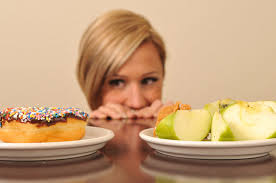
What do all these individuals with seemingly a lot going for them have in common? They all are suffering from a disease that often goes unnoticed……until their world collapses. These completely different people all revolve their lives around “ED”. Short for “eating disorder”. ED does not discriminate between sex, race, religion, social class or sexual orientation. But people suffering from an eating disorder often have similarities in the debilitating affect on their lives.They likely wake up every single day of their(sometimes what feels like a) facade of a life thinking about food. They may weigh themselves daily with goal weights they have been obsessing about for weeks in Pedro’s case, or years, in Robert and Debbie’s case. When the number on that scale goes up, they have a really bad day. They may record every morsel and calorie they consume in a food diary, on an app, or in their minds. They starve, they binge, they purge, they are exhausted and feel like crap. And yet, even when they reach that initial “goal weight”, they still are not happy. So they lower it. Nobody seems to notice at first because our culture just loves it when people lose weight. Comments like “you lost weight! You look so good!” just fuel the fire. Our cultural focus on bodies makes it really confusing and hard for someone to stop the often dangerous behaviors they have fallen into. Even if someone manages to avoid serious medical and physical consequences (for a while) the psychological and emotional drains on a life are not always apparent to the outsider. But the person with the eating disorder often becomes depressed as they lose previously treasured parts of their lives (socializing, family gatherings, jobs, relationships) all because ED demands it of them. It becomes really hard for the person with an eating disorder to face food at social gatherings, to listen to comments and questions from family members expressing concern over weight loss and often sickly appearance as the disease progresses. Opportunities are lost, sports scholarships are taken away, dropping out of college and leaving a job, even relationship fall-outs happen because of ED. Sometimes, binge eating leads to excessive weight gain. Unfortunately, with the focus on childhood obesity, even children aren’t immune as they get the message at a very young age that the number on that scale really matters, and it is up to them to do something about it. The bottom line is appearance and body size of a person with an eating disorder are never the same, yet assumptions are made because of this, and this is a big mistake.

Every year during the month of February, the eating disorder community of health care professionals, those who suffer(ed) with eating disorders and the people who have been affected by them make an effort to educate us all. This year, National Eating Disorders Awareness Week is February 26th through March 4th. The theme or message is “Let’s Talk About It”. This is such a great message because the fact is, the earlier an eating disorder is identified and treated, the more chance there is to prevent it from getting worse, or to beat it. We need to talk about the fact that it is a confusing world with our focus on, and fear of fat. We get confused about what is important. Is it more important to be thin or should we just focus on being healthy? How do we fight the cultural ideal and still feel good about our bodies? And most important, we need to talk about the fact that nobody is immune, and no, you can’t tell if someone is suffering just by looking at them. Eating disorders strike children, teenagers, college kids, middle-aged and older adults. Fat, thin or in-between, rich or poor, educated or not, no matter what nationality or culture, you can’t tell what someone’s life is like or how miserable they may be.

Or, you may wonder about yourself. Is your obsessive calorie counting really a problem? Do you say to yourself “well, I do need to lose weight” and think your diet is just “healthy?” but you do feel drained from thinking about it all the time? Is it a problem that you feel guilty for missing the gym? Do you constantly think about your bulging middle-aged tummy and have started cutting out foods to fix it? Do you have an eating problem you are starting to worry about? To help you answer these questions, or to at least lead you in the right direction, why not take the free screening offered by the NEDA website (National Eating Disorder Awareness). Go ahead and take the free screening Get Screened, or share with any friends and/or family members who may know loved ones they are worried about. Remember, the earlier this debilitating disease is identified and treated the better chance for recovery. Don’t wait. It’s time to talk about it.

Get Screened

Restrained Eating Vs Intuitive Eating: Finding the Balance

donut vs apple and womanI was not surprised when my doctor told me I needed to take a calcium and vitamin D supplement after a recent bone density exam. Being at the age where bone density starts to diminish, and being a dietitian on top of it, I was fully aware that my intake of calcium was sub-optimal. But time flies by, doesn’t it? No matter how much I know about nutrition, somehow here I am. Although I do believe in good nutrition I have never been a fan of thinking about it too much (unusual maybe for someone in my field of work).

The reality is that dietitians and nutritionists are probably at a distinct disadvantage when it comes to “cognitive restraint”, or using your head to figure out what to eat instead of listening to your body. Our training can make it kind of difficult to “listen to your body” or “eat intuitively” which often translates into “eat whatever you want for heaven’s sake”. So, although I was well-aware of my dietary inadequacy, I admit to leaning more heavily into the “eat whatever you want for heaven’s sake” mentality…..which was not too good for my bones apparently.

When you hear the term “intuitive eating” it typically is in reference to dieting behavior and offered as an alternative to stop the insanity of dieting. Yes, billions of people diet to lose weight, and many yo-yo, gaining and losing the same weight year after year (which we know is not good for our health, yet it is hard to give up that hope that this time it will stick). Despite the statistics on the failure of diets, I don’t tell people what to do and will support those who wish to follow some type of guideline because for some people, re-learning how to eat can be very helpful, and yes, it can stick. But this is probably rare, and from what I have seen at least in my patients is when it “sticks”too much it is really disordered eating. When it “sticks” in a non-harmful way is when individuals truly change detrimental habits even when they no longer are following a specific “diet plan”. So, how can you prevent the negative consequences of “cognitive” eating yet also avoid the repercussions of interpreting “intuitive eating” as meaning  “eat whatever you want”? The trick is learning how to do both: be “cognitive”, but also intuitive, gradually interweaving both into your eating style so that you can be both healthy and sane.

The first step is to try to determine if you are a “restrained eater”. Although “cognitive restraint” is often defined by the experts  as “the intent to limit food intake to prevent weight gain or to promote weight loss” to keep it simple, I like to think of cognitive restraint as “using your head to figure out what to eat” despite the signals coming from your body. Sometimes people think too much about food even if it is not because of weight related issues. For example, it is lunch time and you brought a salad. You are absolutely famished, craving a burger but will not allow yourself to go to the cafeteria to get one. You read somewhere that red meat is bad for you so you are not going to eat it. Or, it is 9 pm at night, you are counting your calories and according to your records, you still have 200 calories left that you can eat. You are not hungry at all…..yet you go ahead and pop some popcorn because you like popcorn and you “can have it” since it is just the correct amount of calories. You don’t pay any attention to the fact that you are not hungry. Both situations are examples of “cognitive” restraint, using your head and ignoring your body. Both examples are contrary to “intuitive” eating.

For research, investigators use very specific tools to evaluate if someone is a restrained eater or not. Some of the common characteristics of restrained eaters include, but are not limited to:

  • frequent dieting
  • counting calories
  • self-weighing
  • excessive fear of weight gain
  • guilt after eating
  • food avoidance
  • labeling foods as “good” or “bad”

For our purposes, if you can relate to any of these statements, you may have some characteristics of restrained eating. For those of us who are dietitians or nutritionists, or even those of you who educate yourself about foods and nutrition, you can also fall into the trap of too much thinking about what you eat. I have seen extremes in thinking when it comes to nutrition, with fads coming and going as well as information that is not evidence-based. Some examples include avoiding gluten at all costs, not eating carbs,avoiding foods with added sugar, avoiding processed foods, etc. Some people need to be on special diets due to medical conditions or allergies, or even having a digestive intolerance to a food. Avoiding GMO’s or choosing to eat organic or fresh food is not what I am talking about. It is having an unreasonable fear of foods that on occasion have no affect on health whatsoever. Missing out on eating your grandmother’s famous sticky buns on a holiday because you have chosen to avoid gluten (without evidence of an allergy or medical condition) is restrained eating. Feeling guilty because you “don’t eat processed foods” yet gave in and bought some Girl Scout Cookies to support your niece (plus you LOVE Thin Mints) is also unrealistic. Refusing to eat a meal in a restaurant because you don’t know what they put in it (even if you don’t have food allergies) might be an issue. If what you allow and don’t allow yourself to eat tends to interfere with your social life, well, that may suggest a problem.

What about “Intuitive Eating”? The basic principles of intuitive eating can be found on the website Intuitive Eating. Basically, learning to be more intuitive with eating means getting re-connected with your natural body signals, rejecting the “diet mentality” and relearning how to trust your body’s natural wisdom. This sounds simple, but it is downright scary for many. “If I let myself eat what I want, I will gain 50 pounds! I will live on cookies and ice cream!” or so the thinking goes. To be honest, from what I have seen in former patients, the process of moving into a more intuitive eating style is different for every single person and depends on their unique eating/dieting history. I have seen people do exactly that: live on ice cream for a week. If you have lived for several decades denying yourself certain foods and suddenly the bars come down, it is almost instinctual to dive in! But a funny thing tends to happen. You honestly and truly DO get sick of ice cream. Suddenly, grilled chicken looks very appealing. The wisdom of your body really does win out in the end. But the path is not always simple or easy (which is why I always recommend anyone who has a history of dieting and is tired of it seek the help of a therapist and a dietitian, preferably both who have experience working with individuals with eating issues). Some people do fine on their own, after reading the book Intuitive Eating by Evelyn Tribole (Author), Elyse Resch (Author) they can gradually make the changes they need to free themselves and move into a healthier relationship with eating and food.

The question is, how do we be both “intuitive” and eat what we want while listening to our natural body signals (and trusting them) yet also be “cognitive” in a way that helps us make smart and healthy decisions about eating? I feel ignoring nutrition is a mistake. I like the term suggested with intuitive eating called “gentle nutrition”. The reality is, if we eat a variety of all of the food groups (meats or protein foods, fruits and veggies, grains or starches or other carbs, dairy and fat) we tend to crave less. Imbalances trigger cravings. Remember the chemical messengers our bodies have to tell our brains what we are missing?  For example, serotonin levels drop in our brains when we don’t get enough carbs and trigger us to want sugar or sweets (survival!). Yes, our bodies are pretty darn smart that way. Eating well also makes us feel well. Learning what makes you feel your best (with foods that you actually really enjoy) is key. One example I often give is eating adequate protein to avoid that afternoon blood sugar crash. Without it, you will almost be guaranteed to run out of energy and be excessively hungry which is really irritating when you are at work and there is no fridge to run to. So planning to include your favorite yummy protein packed lunch is not what I call excessive “cognitive” restraint, but smart and enjoyable eating. Yes, you do have to think about it. But over time, you start to find your favorite, doable, somewhat healthy meals and snacks that taste good and make you feel good. You may make mistakes, you may change your mind (we all get burnt out on foods, even our favorites) and so you experiment with other meals and foods. The key is to keep learning through trial and error. You do have to educate yourself a bit about nutrition (the basics, not fads, even the My Plate government website is helpful for basic nutrition info if you can promise me you will ignore the weight loss focus of some of the links). Once you get a basic idea of how to balance meals to feel good and meet your basic needs, experimenting with cooking is also helpful. Last night I took my mom grocery shopping and made her favorite black bean and corn salad. She just loves it, and to watch her tasting it, you would have thought she was eating something amazing (to her it was, to me it is just bean salad, good, but not lobster salad which is much more amazing if you ask me). The point is, good food should be yummy, too.

For those of you interested in the reasons restrained eating often leads to increased hunger, you may enjoy the research article  Cognitive Restraint and Appetite Regulating Hormones which describes a connection between ghrelin, the “hungry” messenger and dietary restraint. Despite the leaps and bounds we have made in understanding how what we eat affects our brain chemistry and appetite, there’s lots we still don’t know. All the more reason to work on a better connection to the natural wisdom of your body.

One more thing. Clearly, knowledge about nutrition does not translate into action. I was well aware that I probably was not getting enough calcium in my diet (the ice cream in my morning coffee, yogurt and grated cheese on everything was not enough). Don’t be like me and wait for something to happen. I did purchase that supplement. Now I need to remember to take it : O

One step at a time.

Feeling Stuck and Corn Stalks: Visualizing Change

Clouds and corn“I chopped down a corn stalk yesterday!” my patient (I will call Susie) said as she sat down for our session. She had binge eating disorder, and was in the habit of restricting her intake severely during the day, then after work she would pull into the drive-through of several different fast food establishments on her way home. First for several double burgers, fries and giant milkshake. Then, Dunkin Donuts for a bagful of donuts and large coffee drink. She would gobble this down with predictable feelings of guilt and remorse afterwards. No matter how much resolve she had the next morning (“that’s it! I am starving myself today, I don’t deserve to eat. I will make up for it. And today, I won’t do it” ) by the time 5 pm rolled around, her starving body screamed at her and her conditioned brain went into automatic pilot. Her car just seemed to turn automatically into that darn entrance with the sign that said “Drive-Thru Entrance Here”along with the giant yellow arrow to be sure you do not miss it.

Maybe you can’t relate to this behavior, maybe there is some other behavior that you do that you wish you could stop. Bad habits are complicated and more difficult to change than one would imagine. Sometimes, we look at others and think “how could they do that? why don’t they stop ______” Fill in the blank. Smoking, drinking too much, watching too much TV, not sleeping, starving themselves, binge eating, purging……all detrimental to our health. Why can’t we have more willpower? When my patients start bashing themselves (don’t we all feel kind of bad when we just can’t do what we thought we could do?), it typically is a pattern. We get into what you might consider “automatic pilot” mode, both with our thinking and with our behavior. You may have heard of “behavior chains” . Susie’s might look something like this:

Skip Breakfast and Lunch->Leave Work->Drive by McDonald’s->Turn in Drive Thru->Order Food->Eat in Car->Feel Guilty->Drive by Dunkin Donuts->Turn in Drive Thru-> Order Donuts->Eat in Car->Feel Guilty->Go Home->Eat More, go to bed->Wake up, Skip Breakfast, Skip Lunch, Leave Work and REPEAT CYCLE

My patient Susie wanted desperately to change this behavior, but her expectations of stopping totally and miraculously going home to eat a healthier dinner was not reasonable. Part of the reason is NOT lack of will power, but the reality that our brains are not always under our control when it comes to bad habits. To help patients understand this, and also because I am a visual learner, meaning, I need pictures to learn things, I use a “corn stalk” analogy to explain this phenomenon. First, identify a behavior you want to stop (for Susie, she wanted to stop binge eating fast food after work). Next, imagine what healthy behavior you wish you could do instead (Susie really wanted to be able to drive straight home and prepare a healthier and normal sized meal and not feel guilty).  Now imagine your brain as a very thick field of corn stalks. You have to get to the other side to your “behavior” or outcome. You see a beautifully paved path leading somewhere. It is shiny, made out of beautiful marble, glistening in the sun. So of course, you head down this path because it is so easy, and it is actually somewhat enjoyable.

Unfortunately, at the end of the path lies the exact behavior you have been trying to stop. For Susie, at the end of her nice shiny easy path is McDonald’s. And Dunkin Donuts. And binge eating, followed by guilt. What Susie really wants at the end of her path is a nice healthy meal, and feeling good. But there is no path to that scenario. She needs to make one.

Do you think it is easy to make a paved path through a giant field of corn stalks? No, it is not. Neither is changing behavior. Neither can be done overnight. For Susie to forge a different path, she needs to get herself a hatchet and knock down one cornstalk at a time. After lots of hard work, sweat and tears, eventually a path, albeit bumpy and conducive to tripping…well a path will slowly appear. Susie will actually be able to get down that path to the place she wants to be. Her old smooth beautiful path will still be there. But eventually, that old smooth path will start to be less smooth and easy as new baby corn stalks begin to grow. She will still be able to get by, but it won’t feel as easy or right. Eventually, over time, that old pathway will be covered and pretty much gone. The new path will start to be nice and smooth and very easy to walk down. Maybe not made of marble, maybe some smooth sand, but walking down it will feel pleasant and good, not like in the beginning.

How does this look in Susie’s “real” world? Take a look at her “behavior chain”. What Susie did was pick a place in the chain where she felt she could do something different. She told me “I don’t need to go by Dunkin Donuts. That is actually the long way home”. So the first hard work she did, that first corn stalk chopped down was taking a different road home and skipping Dunkin Donuts. She still went to McDonald’s, still ate too much, still was starving during the day, but she was able to make this change. She felt pretty proud of herself and had some hope. The next step was at the beginning of the chain, the skipping of breakfast and lunch. She did not want to eat breakfast, but agreed to starting to eat something at lunch. This helped her be less starving on the way home and eventually she was ordering a smaller amount of food at McDonalds. Another corn stalk down.

I have had many patients like Susie, all with different issues and behaviors they wanted to change. Those who accepted that change did not happen overnight often went on to change their brains by changing one little thing at a time. Most of us are not that patient, it seems, and so we try to change all at once. When we fail, we blame ourselves. Instead, if we stop and think about the corn stalk field in our brains, maybe we can accept that chopping down one corn stalk, changing even one little thing at a time will eventually get us where we want to go.

So can you think of any unhealthy behaviors you want to change? Then pick up that hatchet, it’s time to chop.


The Sliver People

Image result for thin slice of cakeEating behavior has fascinated me for years. Maybe because of my Italian heritage and the tendency to “cook enough for the army, the navy and the marines” as my mom would say…..coupled with my discovery of the research on “restrained eating” and learning about the link between dieting and binge eating. Added to my years of working with people with eating disorders and weight concerns, I have a great appreciation for the complexity of eating, food, and why people do what they do. So I love when people tell me stories about food and eating. Last week at work one of my co-workers told me a story about a family dinner and how something a relative (great aunt) said that kind of bothered her.

It was a celebration and cake was being served. My friend, her son and her daughter were enjoying a piece of cake at the dining room table while this aunt sat on the couch watching. “Look at you all, stuffing your faces!”she said in a way that was kind of negative, as if she were witnessing bad behavior, or behavior to be ashamed of. My friend went on to tell me about this aunt who appeared to be criticizing them for eating cake. Apparently this person is someone who always resists the dessert…..she “does not eat sweets”. She has “willpower”. And she seems to look down on those who give in.

But then, here is the weird part, the question my friend had: she refuses to take dessert EVER…..but then eventually, every single time, after shaming everyone else, sneaks back for “just a sliver”.

OH! I knew exactly who my friend was talking about. She sounds like “The Sliver People”, I said. We both burst out laughing, describing what we see when people try not to eat something they really want but for some reason don’t allow themselves to have. After a good amount of giggling at the term we just coined, I went on to share my theories of The Sliver People. Now remember, these are just my theories (which are influenced by research on cognitive restraint and dieting behavior as well as what lots of my patients have described to me about the way they think and feel about food).

So what is it with the Sliver People? My theories:

  1. They have a “good food-bad food” mind set. Sweets are bad, dessert is bad, cake is bad, so nobody should be eating it. If you eat “bad” food, then you, by association are being “bad”. You have no “willpower”. You are weak.

My Response: if you like it, it is GOOD. If you have cake for breakfast, lunch and dinner, you won’t feel too good. It’s all about balance and “listening to your body”. If you want something sweet and don’t eat something sweet, you will likely be thinking about food all day. I would recommend eating that darn piece of cake and going about your day.

2. They think cake (substitute sweets, desserts, “bad” food) makes you fat. Magically, one piece of cake can add gobs of weight.

My Response: the scientific fact is that one average piece of cake may have a few hundred calories (except my sister-in-law Michelle’s Mocha Marsh mellow 90 million layer cake she enters into baking contests which she manages to cram in a bit more melted butter and cream I am guessing that makes her a champion baker)….anyway, it takes much more than a piece of cake or one dessert to have any effect on weight, even Michelle’s. When you eat more calories than your body needs, it knows what to do. You don’t have to count. Think about it. When you eat a bigger meal than normal, something very strange happens: you no longer feel hungry, imagine that. You can go longer than an hour without thinking about food. So if you eat the cake and it is more than you normally eat, your appetite on its own will keep you in balance (if you learn to listen and trust it). Not easy for some people.

3. They have been dieting most of their lives. They are on a diet still. Cake is not on the diet.

My Response: when people “go on a diet” and eat only certain foods while eliminating others, we know they eventually have to “go off” the diet. Dieting and food restriction lead to food obsession and disordered eating, often binge eating. When dieters give in and have even “just a slice” feelings of guilt often follow. That is why restrained eating and dieting often lead to depression (in addition to the negative effect of starvation and inadequate energy intake on our brains and mood). I know I will never convince people to stop “dieting” or looking for that magical eating plan that will transform their bodies and their lives….but I won’t stop trying. Instead, if you focus on “healthy eating” and living, then having a piece of cake for dessert at a family celebration does not disrupt anything. It just adds to life’s enjoyment and moments we should be cherishing, creating memories together, savoring every single thing that is good…and I call that “healthy”.

4. They really aren’t hungry,but want to taste it. Their belly is full, but they know they won’t get this chance again (how often do you get a chance to try an award winning 9 million layer cake?).

My Response: I think it is “normal” eating to listen to your body, and if you know you can’t fit an entire piece of cake comfortably into your belly but want a “sliver”, it’s not a big deal. Chances are the person who takes just a bite because they want to taste it are probably not even noticing what everyone else is eating. They certainly are not being judgmental about anyone who decides to eat an entire piece. They are just eating what they want and not what they don’t want. Maybe they may take a piece “to go”. There is nothing wrong with that, honoring your body and staying in tune with it is something we all should be working on, that is if feeling good is your goal.

Are you one of the “Sliver People”? If so, do you recognize yourself in any of these descriptions? Remember, this is not meant to be a judgement of people who don’t take an entire piece of cake. It is meant to make us all aware of how we have been influenced by a culture that values thinness and weight loss and dieting at the expense of the true meaning of life. To cherish family, friends and celebrate all that we have, all of our blessings as much as we can while we can (if you ask me). To be thankful for all of it, every single day. To miss out because of fears of gaining weight, well, that is just sad.

Oh, and please don’t judge me because I only eat the frosting.

Were You “Bad” Today? And Why is it so Hard to be “Good”?

Chef’s Salad: Good or Bad?

My daughter was visiting yesterday and was telling me about a weird conversation she had with a woman in line at Subway. After going to the gym she had decided to run in to get a grinder (she is like me, we hate spending money on food we can make ourselves) but sometimes saving time is more important. So she ordered her grinder and the woman behind her says “oh you are being so good!” Huh? “you got vegetables on yours!”……”but I like vegetables on mine….”my daughter said.

The woman goes on to say something about the fact that my daughter had on work out clothes from coming from the gym. That made her “really being good” in this woman’s eyes. The discussion led to this stranger sharing that she had been “bad” for almost 3 years, had not exercised but was just starting again. She was going to make herself eat vegetables, too. But not today. Today she would be bad.

I know I have talked about the language of dieters, of the moral judgement (of oneself) depending on if certain foods are consumed, or if food is “burned off ” with self-induced and not-too-fun “exercise”. But this lingo means so much more if you ask me. It is another one of my triggers to shake my head and feel sad, angry, not sure what. This language goes back decades, and is so ingrained in our culture that when you don’t buy into it, YOU are the weird one. YOU don’t get it, don’t fit in, aren’t normal. Of COURSE there are bad foods and good foods, people tell me.

I can debate why any food you can name is “good” if you happen to like it. “Good” is just a word and can mean different things to different people. To the dieting woman at Subway, “good” meant eating vegetables and exercising. To me, good means something very different. If a food tastes good to me, well then it IS “good”! If you want to talk about how different foods contribute to your health, that is a different story. I happen to believe that since all foods have energy (calories) they are good in at least that respect. If you were hiking in the woods with no food or water, and stumbled upon a picnic basket with Twinkies and Koolaid, I’d call that pretty good.

No, the problem is not just in your interpretation of the words, it is how they make you feel. It is the emotional response you get (and often the behaviors that follow) when you have this judgmental belief system. It ruins people’s entire days. Entire weekends. Entire vacations. The word “good” and the word “bad”. It reinforces the belief that we need to restrict ourselves of certain foods if we are to be healthy (meaning thin in many people’s minds). Most people believe that if you eat certain foods then you are likely to gain weight, and if you eat other foods, you will be thin. I can’t tell you the number of comments I have gotten depending on what someone sees me eat. A friend of mine once commented “You must have a good metabolism! You eat so much candy!” when in reality, I happened to buy a bunch of penny candy while on vacation (it brings me back to my childhood, when we had a corner store that really truly sold penny candy….that cost a penny). So when I happen to go to a store that has Mary Janes and squirrel nuts and caramels, I always buy a few. It just struck me funny how a small little candy is supposed to make you “fat”. I don’t have a high metabolism. I just really enjoy that candy and the reality is a piece of that candy has less calories than an apple. But I am sure if I ate 3 apples, nobody would comment.

The other thing that often baffles me is what different people consider “bad”. To some of my patients, rice was bad. To others, rice was “safe”. Potatoes can go either way I have found. Some people think they are “fattening” however some don’t. So depending on who you listen to, potatoes can be good or they can be bad. Same with rice, and bread, and olive oil, and nuts. It is pretty confusing.

I have wondered where this all started, and from the decades of research on binge eating and “disinhibition” I know that it most likely has come from our dieting mind-set. It may have started with the labeling of foods by Weight Watchers of “legal” and “illegal” way back in the day (they don’t do that now, now you have points….still, crazy if you ask me. TOO MUCH THINKING). But probably before that, depending on the fad diet of the year. No wonder everyone is so confused. One year fat is the “bad” food and the next year “carbs” are bad. Why don’t people ever stop and wonder: how is it that bad food keeps changing?

My suggestion is this: have you entertained the thought of thinking about health? If you have, then is the obstacle that you just don’t like “healthy” food? Consider this: you may be so obsessed with unhealthy food mainly because you have been trying to avoid it. If you let yourself have it in moderation when you really truly wanted it, do you think you would want it so much? Or, maybe you truly have never developed a taste for healthy foods. There are so many people who grew up on canned vegetables and Mc Donald’s burgers. I have worked with many families who really have not tried fruits and vegetables because they did not grow up with them. I also have worked with people who just don’t know how to cook, and so spaghettios and Ellio’s Pizza are mainstays. We know that exposure to healthy foods (such as fresh fruits and vegetables) over time really makes you eventually love them. We call it the “Rule of 20” which means that if you keep trying something (say broccoli) that it takes 20 exposures to really know if you like it or not. Research actually has mostly focused on children, and it could take as little as 10-15 tries. The bottom line is, that you just can’t know unless you keep trying. I am on my 7th try of beets, and I still don’t like them. I won’t give up though. Thirteen more tries…over time.

The other problem is, we do get used to certain types of foods, and our bodies actually learn to crave them. For example, eating really high fat, fast foods on a regular basis can actually affect your body in a way that makes you tolerate them more and crave them more. But when you eat lower fat foods, or if you never eat fast foods, you may find you get a stomach ache when you do eat them. I am not saying we should never ever eat fast foods or high fat foods. But I do think it is important to take a look at your overall habits. If you never ever eat fruits and vegetables because you think you don’t like them, then you might want to just consider starting to try them. NOT because they are “good” but because we know eating more of them makes us healthier. You can still have those burger and fries, but learning to also like a salad on the side is a huge step toward being healthier. Experiment with cooking vegetables different ways. Read cookbooks or check out cooking websites for new and interesting ways to make vegetables. Just because a dish is “healthy” or “good” does not mean it does not taste fantastic! My favorite thing to do is experiment with cooking healthy foods and coming up with something amazing. For example, last night I made “ratatouille” which is sauteed garlic, onions, peppers, eggplant, squash and zucchini in diced tomatoes. But added some spicy turkey sausage, shredded carrots, several herbs from my garden, some leftover red wine and grated Italian cheese. I melted some mozzarella on top, we had rice and adobo seasoned grilled chicken. It was heavenly. Good? I’d say! and not because it was healthy, but because it tasted wonderful!

Here is my challenge to you: for one week, can you catch yourself when it comes to talking about food? When you go to eat something “bad” can you re-frame your words? Instead, say “this is yummy”. Try to tune in to your body and hunger and eat an amount that makes your tummy feel content. No need to stuff yourself, because you are not being “bad”. You are enjoying something that tastes good to you. Also, instead of avoiding something that you never eat unless you are “dieting” and being “good”, can you try it anyway? have a yummy salad. Try a new fruit. Don’t miss out on exposing your taste buds to good food just because you are “off” your diet. Who knows…..you may discover a new favorite. Stop labeling food. All foods are equal.

Well, except beets maybe. But I won’t give up.

Oh, and that chef’s salad in the picture? It was good!

New Study Links Positive Effects From Calorie Restriction: Why I Hate News Blurbs


Green BeanI literally stopped in my tracks the other morning as I was walking out of the kitchen to go get dressed for work. The first thing I do when I get up in the morning (after pouring that critical first cup of coffee) is turn on the small television that is in our kitchen so that I can listen for the weather and traffic. Like most people, I have my routine that gets me out of the door on time. But that morning, the words I heard caught my ear and I had to listen. “New AMA Study shows calorie restriction has positive benefits!” Oh brother, here we go, giving people another reason to diet. I listened to the brief details (how much can you pack into a 2 minute blurb?) and learned that apparently decreasing your calorie intake by 25 percent can improve your mood, quality of life, sleep and sexual function. Really? I didn’t have time to check into it but knew I had to as I like to be prepared when someone asks me a question about things like this. Most people just automatically believe what they hear and that is what troubles me.

So I searched and found a summary of the study, see AMA Study To read the entire study you have to pay for the article unless you are a member of the American Medical Association (which I am not) so instead I just read the abstract. What I learned from working with many researchers in graduate school is that we need to consider many factors when it comes to study conclusions. We need to be critical. This is not easy, especially if the research is in an area where we are not experts. The field of nutrition and health is a complicated one because so many factors influence our health (and our weight). So I always look at a study and try to decide how much it means, if anything in the real world. I like to look at some of the obvious things, such as the number of subjects and the kind of people who were involved in the study as well as the length of the study. In this study, the 220 subjects were “nonobese” and “healthy”.  The subjects were divided into 2 groups: “calorie restriction” (CR) or “ad libitum” (AL). The measures were taken over 2 years (initial, one year and 2 year) and the results are based on “self-report”, in other words, people answered questionnaires. We know there is always a degree of error in self-report measures as people often answer the way they think they are supposed to. We also can’t know all of the confounding factors, such as the other influences in peoples lives that might have had an effect (a new job, a new baby, getting married, etc.). There are so many factors that affect mood and energy level. To believe that simply decreasing calorie intake can have all these benefits is wishful thinking. Even if after many replicated studies (which is always needed to really show cause and effect) do you really think it would be easy to figure out how to decrease calories by 25 percent? That is a lot! How is nutritional status affected? What if someone decides to cut out milk to achieve this goal? What happens to their bone health over 10 years? Do you think you will be in a better mood if you have osteoporosis? When you can’t get up and walk without pain? Maybe I am being a bit sarcastic and extreme, but the point is, it is never ever that simple.

Unfortunately, the people who heard this news blurb and may react to it are probably the ones who are already dieting and restricting to lose weight. In particular, I worry about those with eating disorders who are looking for an excuse to restrict. Remember, there is always opposing research that shows the exact opposite. In this case, you probably don’t have to do a literature search to know (but there is plenty of evidence there) that starving yourself or excessive dieting is more likely to lead to depression, not being happy. It is more likely to decrease your quality of life, especially if dieting and weight obsession become your focus. People I have worked with who have struggled with eating disorders have often lost so much. Having to take time away from college, or your family to be admitted to the hospital due to dehydration or starving, not being able to participate in activities you always enjoyed just because you don’t eat enough, even not being able to drive (I have seen it). Losing friends because they just can’t be around you any longer and watch you do this to yourself. ….this is the reality of calorie restriction.

Instead,  when you hear a news blurb that briefly shares a dramatic result such as this one, stop and think about how different we all are. Our lifestyles are unique, our dieting history and relationship to food is unique, and most importantly, our genetics are ours alone. Reign yourself in and refocus. What were your goals again? To feel good and be healthy and enjoy life to the fullest (I hope).  What are YOUR obstacles and barriers? Are their habits you have that you know might be affecting your health? Stress from work (need a new job?) Stress in your relationship (need some couples therapy?) Smoke too much (need some help here?) Drink too much (do you need to get help, or work on your habits?) Too tired to be active (time to see the doctor for that physical you keep putting off?) Live on fast food (time to start learning how to cook?)

Achieving health and happiness is not always simple. And even when you do achieve it, trust me, a wrench will be thrown in from time to time, such is life (as my mom always would say).

Decreasing your calories by 25 percent?…..not this girl.


Summertime Eating Challenges: Dieters verses Normal Eaters

We just can’t control ourselves. The plans and preparation started over a month ago. What began as a small fun thing to do to add to our neighbor’s July 4th annual picnic has evolved into a huge production and we love every minute of it. Our annual “Infused Fruit by the Fountain” keeps growing in the variety of infused fruits as well as the number of people who come to sample it. This year in addition to the Fireball Cherries, glazed rum pineapple, Rum Raison bananas, infused mixed fruit, and others we added cheesecake cherries (infused with vanilla and cake vodka, rolled in cheese cake cream cheese and dipped in crushed graham crackers) as well as Pina Colada pineapples. And there was more.

The weather was perfect this year for our annual July 4th Celebration with our neighbors and my guess is 100 people came to share salads, casseroles, desserts, eat burgers and dogs, listen to a live band and finally to enjoy our Fruit by the Fountain. What a great time, and yet, again, it struck me how powerful a topic food and eating and dieting and body image is. Besides Donald Trump jokes, comments and remarks about diets unfortunately filled some conversations. Don’t get me wrong, I feel passionately about promoting health and I love hearing about healthy changes people make. When people start cooking for once and making healthy meals instead of grabbing fast food, they do feel better. When they cut down on drinking or stop smoking, they feel better too. One friend I know started really getting into yoga, she absolutely loves it and her increased energy level and fitness level show. Yes, she has lost weight but her smile and what she talks about is all the cool stuff she can do now (from someone who can’t do a simple cartwheel anymore, trust me, that is a great accomplishment when you are over the age of 40). What struck me is that not everyone looks through the same glasses when it comes to picnics and celebrations and food. For some, this kind of thing is a blast, but for others, it is anything but fun.

I often refer to a “spectrum” or continuum when it comes to how people feel about food and eating, with severe eating disorders or eating issues on one end and absolutely normal eaters on the other end (whatever that means, a topic on its own). It is important to reflect on where you are and how you deal with crazy food situations such as this (not to mention there was a pool involved, so bathing suits often another issue altogether, combined with eating and drinking, well, that is enough to put some over the edge). The mumbling I heard that day went something like this:

“I feel so bloated”     “I’ll start again tomorrow”    “why did I just eat that?!”

You get the picture. What strikes me is that people truly believe something big is going to happen to their bodies in just one day of eating differently. It truly becomes a “head game”. Some people make healthy changes to their diets, start to feel better, but because they weigh themselves every day they see the normal fluctuations that occur (which are usually just fluid shifts because of more sodium, less protein, more carbohydrates, or even hormonal changes). For those eating lower carb diets, an increase will usually result in some water weight gain since our bodies lose water on low carb diets.  Also, most people eat more on picnic days or at parties than they normally do, but if you think of a “normal eater”, they probably are not thinking about calories and instead probably eating foods they enjoy. Truly “intuitive” eaters will notice a smaller appetite in the days after they may have consumed more than normal, and over time, their bodies naturally balance out. I often have told my patients to think about the reality: if it takes roughly 3,500 calories to equal a pound, and if we use an estimated 2,000 calories as a maintenance level for an average female to maintain their weight, that person would need to consume 5,500 calories to really “gain” a true pound. That is not easy to do, even at a picnic, since there is only so much one tummy can hold. It just “feels” like a lot because for those who diet and tune out their normal body signals to restrict, even a normal amount of food can feel like overeating (hence, the feeling of “bloated”). Yes, if this person jumps on a scale the day after a big picnic, the extra water that clings onto the carbs and sodium may add up to several “pounds” but these are not actually real body weight, remember. The reality is just going over your typical calorie intake by even a few thousand calories STILL will NOT equal even 3/4 of a pound. So why waste half the day worrying and stressing when you should be savoring every minute of such a beautiful day with friends, family and fun?

Instead, why not try to think about tuning in to your body especially at large picnics where you may have experienced discomfort in the past (can you relate?) For example, try looking ahead at the foods being offered before you start eating. Some people who are “breaking their diet” for the day tend to over eat foods they actually really don’t even enjoy that much (“I can’t have this tomorrow, I’m going back on my diet”) and so they may overeat cookies (the kind you can get anywhere), or hot dogs (you can make any day) or chips and dip, etc. Instead, a “normal eater” usually picks their favorite. That special potato salad Merri Jo makes (that they can’t replicate), or Bobby’s fried peppers and sausage they love but will never make at home, or Michelle’s amazing caramel brownies. Yummy foods to truly enjoy….without feeling guilty and knowing your body knows how much to eat…if you truly practice listening.

There are more picnics and holidays to come this summer. Enjoy the variety of foods you get to try, work on listening to your body, accept mistakes, and that this may be a learning process on what works for YOU as far as falling into a healthy (and happy) lifestyle. There is no right or wrong, just learning.

In the meantime…..time for some leftover fruit!

Carbs, Protein and Fat: How much?

buffet-variations-1321243“What percentage of my diet should be carbs? What about fat? and how much protein do I need?” I get this question all the time and usually give the same answer: do you really want to think about that every day?  The point is, even as a dietitian who is somewhat good in math I would never want to calculate these figures on a daily basis. Even using an app. But many people are confused about this, they hear things at the gym, their marathon running friends are carb loading, or maybe they saw a magazine headline at the grocery store check out. Not to mention goals of losing weight, which usually are part of the motivation to find the best combo of macronutrients that could be the magic answer.

As far as recommendations that would provide a “balanced” diet here is the general guide:

Carbs: 45-65%          Fat: 20-35%               Protein: 10-35%

Many are surprised that our diets should be at least half carbohydrates, with all the low carb diets out there, it may not make sense. Remember, everyone is different and it is important to consider your own health history, metabolism and body. There are some patients I have worked with who respond differently to carbohydrates (such as those with PCOS or polycystic ovarian syndrome) and balancing carbs with protein is important to prevent increases in insulin. And for the average person who wants to maintain a certain level of blood glucose, including protein in a meal definitely helps. It is more about balance and less about avoidance or restricting.

But what if you really did want to figure out what percentage of your diet is protein for example? I do know people who eat a lot of protein thinking it will help them build muscle (just yesterday at lunch a young twenty-something year old teacher had two bunless cheeseburgers on his plate….nothing else). You first would need to know the total amount of calories you ate in a day (nothing I would ever recommend doing, but just to demonstrate how ridiculous and irritating it would be), let’s use 2000 calories as an example.Then 10% of this would be 200 calories. That means 200 calories as a minimum should come from protein. Since protein has 4 calories per gram, that means 200 divided by 4 is 50. So the answer is 50 grams of protein is 10 percent of calories from protein in a 2000 calorie diet. An ounce of meat has 7 grams of protein, so 7 ounces of meat would just about meet the 50 grams. But protein also comes from other foods, even cereals and grains, dairy, beans, nuts and pasta have some protein. See why it would not be too fun to try to figure out? Even for one day, pretty irritating. So what should you do if you want to eat a healthy balanced diet?

I did do a brief review of the research regarding macronutrients and health as well as weight. To put it simply, I could not find any new breaking news regarding macronutrients and weight. Low glycemic index diets do not result in more weight loss as far as current research (that means low carb). The one macronutrient mentioned as affecting both health and weight was fiber. There were several studies that suggested a high fiber diet was beneficial for both health and weight. This means more fruits, veggies and whole grains. Now that is not exactly a newsflash, but does reinforce a “health” approach to eating verses a “weight loss” approach or trying to limit a certain food group. That is why the government came up with the simple “My Plate” illustrating half the plate as “colors”, or fruits and vegetables, a quarter of the plate whole grains and a quarter of the plate protein food, as well as dairy on the side. The message I like to send is variety, not restriction. I don’t think it is “dieting” to try to add more fruits and vegetables to your meals. If you throw strawberries in your salad or an apple in your lunch bag, it makes sense because you enjoy them. This kind of move toward healthier eating does not seem stressful to me. It does not take too much thinking (too much thinking about eating is not health promoting, and tends to add stress which is NOT good for health). If you don’t take the My Plate idea too far (you don’t have to have the perfect plate every meal), then it is a good general and simple guide.

If you are interested in more specifics regarding dietary recommendations, see Dietary Reference Intakes however please keep in mind we all have different needs, and not everyone eats or needs exactly the same amount of a nutrient. These are general recommendations.

The Academy of Nutrition and Dietetics also has a position paper (2002) on the topic called Total Diet Approach. Although it mentions the outdated Food Pyramid it also describes a way of eating where “all foods can fit” and again, stresses the importance of focusing on health without trying to be perfect. If you like a food, any food, you need to fit it in. It is the average intake of nutrients over an entire week for instance that matters. So even if you eat twinkies for all three meals one day, it does not matter….over time.

Bottom line: keep it simple. Learn from listening to your own body. Good old boring common sense…….


Food, Eating and Health: Surviving Stressful Times

Have you ever tried salami on a cinnamon raisin English muffin? Add a slice of provolone and some mayo and amazingly, it is not half bad. That was the only thing I could put together from the fridge for my bag lunch for work one day last week (or was it the week before?). My dad was very ill and did not have long to live, so all of us spent as much time with him and my mom as we could. Grocery shopping was not the priority at the time and so salami and cinnamon was it.

Not only was eating affected, so was sleep and my normal physical activity. Because I would often go straight to my mom’s after work (when I usually go for a walk or garden or do anything physical, my mental sanity) this was not happening. Consequently, my sleep was affected. We all were out of sync, especially my mom who so bravely administered his feeding and morphine every 3 hours through a G-Tube. He was very weak but still would try to get up to use the bathroom in the middle of the night, so my mom barely slept for fear of him falling. This amazing woman who cooked wonderful home made soups (minestrone and spinach soup her specialties) almost daily was pretty much living on coffee, ice cream, crackers or whatever we brought her. We started to frequent Big Steve’s, a tiny local joint famous for burgers (think super size) and 99 take-out. Anything fast to keep her going.

After my father passed and she was justifiably unmotivated to cook for herself, one Sunday while my husband was working on fixing her doorbell, I decided to make some food that could last a while. I wanted to make something that would assure she would get some protein and energy (instead of grabbing a quick sweet thing like she usually does, my mom is like me, sometimes we don’t want to take the time, too much to do!). She absolutely loves my bean and corn salad, which lasts a long time so I made a huge batch (simply frozen corn, defrosted, rinsed chick peas and black beans, red onion, garlic, grated carrots, and lots of fresh cilantro, salt and pepper). I also made my specialty turkey burgers, fried them, wrapped them individually and froze most of them so she could defrost as she needed (to ground turkey I add diced red onion, green and red pepper, more garlic, shredded carrots, grated Romano cheese or cheddar, steak or A-1 sauce, salt and pepper). After just one good meal of this, she said she felt better, and realized she needed to take care of herself.

Have you ever gone through something stressful, maybe a loss such as ours, or even planning for a holiday, wedding, or other major event, studying for exams, moving to a new home, even just traveling and found yourself out of sync? We are all in our own little worlds when it comes to our routines of simple daily life. We tend to do the same things every day, get up at a certain time, work the same hours, eat at certain times, etc. Some people are much more rigid than others. With eating, there is somewhat of a spectrum or range of “normal” eating verses “disordered” eating, and this applies to exercise, too. There are those who are really “resilient” and are able to deal well when their world is turned upside down. They may eat healthy or exercise regularly, sleep normal hours etc., but it does not phase them when life suddenly throws a curve ball and priorities have to change for a time. They “go with the flow”. Life does not fall apart just because they miss a work out or a run, or because they have not eaten a vegetable in 5 days. They are able to manage on 5 hours of sleep instead of their usual 8 because other things matter more.  In time, life returns to normal, and they know nothing was lost that really matters, they have the rest of their lives to eat healthy, sleep well and be active. Nothing changes. Of course, I am talking about people who don’t weight themselves or time their runs or have expectations for themselves other than feeling good and taking care of themselves.

On the other end of this spectrum of normal verses disordered I have known many who really struggle with change, and who totally crash when their world is shaken up. Some people just HAVE to run 5 miles, or HAVE to have their veggies at every meal or NEVER eat fast food. They truly get stressed out about absolutely any change in their routine, their food intake or their sleep. The dialogue in their head probably goes something like this: “I can’t eat that, I will gain weight! If I don’t get my run in, I will get out of shape. OMG I have not exercised in 3 days! I am disgusting.” Those who suffer from compulsive exercise or weight obsession, or even just obsession with being healthy truly struggle with change. Even “normal” eaters and those who have what appears to be a “normal” physical activity regime can be thrown by change and can find themselves worrying. I often hear people blabbing about “feeling guilty” just for eating something.

This past month I realized what a gift it is to be resilient. Some take for granted the gift it is to be able to eat whatever is available and have no problem with it. To not be addicted to an exercise regime is also something to be thankful for (and I know many people who call themselves “lazy” and wish they could be more committed to exercise and will think I am crazy). But the reality is that many people really do suffer from exercise addiction and it affects people’s lives daily. This is not what we want when we recommend being more active for health reasons. So be happy if you don’t have to exercise compulsively.

Unfortunately, events are going to happen in our lives that we just can’t avoid. Wherever you may lie on that spectrum or continuum of eating and exercise behavior, here are some pointers of dealing with upsidedownness if it happens to you:

  1. Remember the reality: your body does not really change much in a few days or even a few weeks. Even if you may gain or lose a few pounds or lose a bit of endurance or muscle mass, in time your body will return to normal (that is assuming you have a normal eating and exercise routine)
  2.  Pay attention to how you feel. My mom was so happy to feel better after she finally had a good meal. Sometimes, you don’t realize that your exhaustion is related to lack of energy (in the form of calories). Even if it has to be a take out order, eat at least one good meal.
  3. Stay hydrated. You can survive without the perfect diet, but not without water. Carrying a water bottle that you can refill to get at least 8 cups a day will help keep your digestion more regular (not getting enough fiber during crazy times can cause constipation, not fun, water helps. Carrying fruit with you also helps). If it is hot weather, you may need even more. If your urine is dark yellow, it means you aren’t getting enough.
  4. Welcome the support of others. Sometimes it is hard to accept generosity from neighbors and friends, but when people offer to help, they really mean it. It makes THEM happy. So be thankful for that hot chicken pot pie that is dropped off at dinner time. Be grateful for the cold cut platter and rolls from the neighbor. When someone offers to pick up some food, say ok. One day you will return the favor.
  5. If you struggle with a compulsive exercise routine, try to look at missing your workout in a different, more positive way. How about being thankful for an opportunity to give your body a rest? I have know many people (myself included) who are amazed at how good they feel when they get back to their normal routine after having a break from it. It feels so good to truly be rested.
  6. Look outside of yourself for the many sources of joy and beauty available to you even during times of stress and change. Take a few minutes to chat with your best friend. Notice the birds, the flowers, spend a few minutes in a beautiful garden. Enjoy a cup of coffee or tea in a quiet spot. Read a reflective book or spiritual quotes. Watch the sun set. Take a long hot shower or bath and truly relax, even if it can only be a short time at the end of the day.
  7. Practice NOW. Even before anything happens, I strongly recommend changing things up in your life. NOW is the time to assess the kind of person you are. Are you bent on eating the same thing for lunch every day? Do you freak out if you have to miss your run? Now is the time to try something different. Maybe just once a week or even once a month, take a hike instead of run. Go to the mall and skip it altogether. Maybe get a slice of pizza for dinner with ice cream for dessert, heck with veggies for a night. Does that sound hard? I am not saying to let go of eating healthy, I just think it is important to address rigidity in life. Being too rigid can really add to your stress level.

There are probably many other bits of advice that will come to mind in the weeks to come. But today I am sitting in a beautiful garden at a place called the Book Barn in Niantic, CT, finally taking a week off now that life has almost returned to normal. I have let go of my guilt due to my failure to write a weekly blog post last week. That may be one more bit of advice: it’s OK to not live up to your own expectations sometimes. Sometimes, they are just not realistic and it is smart to change them. I guarantee, nobody really cares. But I probably won’t be running out for salami and raisin English muffins any time soon, although maybe you should try it…..just for a change.

Eating “What You Want”: Easier Said Than Done

IMG_5635I was at a lovely outdoor graduation party yesterday  and happened to walk in on a conversation that was going on between a sweet young man in his 20’s and my husband. “She’s a dietitian, you should ask her”. Apparently, this healthy-looking but thin young man was trying to gain weight. He had been a runner in high school, now worked out but not as much, sharing that when he was lifting he was able to put on some weight. I went into my spiel about “listening to your body”, explaining how our natural set-point makes it difficult to change (our genetics) and that even if he tried to eat more or add protein shakes (what he has tried in the past), it would be hard to maintain due to the fact that it requires way too much thinking and also, just as with dieting, your body tends to compensate and do what it needs to so you will go back to where you are supposed to be. “But what should he eat? He doesn’t know!” my husband says. I looked at this guy and he says “he’s right, I don’t really know”. Oy. How did eating become so complicated for even a twenty-something year old male? I kind of understand, it makes sense that women, especially older women who have spent a life time dieting and not being happy with their bodies continue to try one diet after another, end up on and off restricting and overeating, but this just felt odd to me. I just wanted to say “Just eat what you want!” It struck me at that moment that people who don’t know much about nutrition and really do care about their health (and body size, which always seems to be the motivating factor to look into nutrition) really don’t know where to begin.

I started to share a few websites I thought might be helpful about nutrition as far as basic facts (such as how much calcium an adult needs, protein needs, etc) and I tried to convince him to let his body determine how big it is going to be once he finds an eating pattern that he is happy with along with a healthy lifestyle (which he already pretty much had). But I left that conversation feeling as though I really didn’t help him much. I also got a bit of a reality check when my husband commented “people can’t eat what they want, they are not dietitians, they don’t know!”

If you can relate to any of this, I hope to give you another way to solve the puzzle of being healthy and at the same time, “eating what you want”. In another post, Humming and Beckoning Foods I mentioned a book I read decades ago called “The Psychologist’s Eat Anything Diet” which I now feel was way ahead of the game because the science behind what the authors were recommending was not yet discovered. We now know our brains are regulated tightly by many neurotransmitters, or messengers when it comes to eating. We now know the physiological reason why when people cut out carbs they may end up craving sweets (which often leads to binge eating them). Anyway, even though we know this, people continue to diet and restrict because they really want to lose weight.On top of this, if you are someone who wants to be healthy, eating “what you want” is a scary proposition because you may fear (as my husband thinks) you would live on corn dogs. And that would not be good.

The truth is, although it is not easy, you could do both (eat what you want and also be healthy). One exercise I remember from the book was taking the time to really think about what particular food you wanted. You were supposed to wait until a “meal time”, in other words, you were not supposed to mindlessly nibble all day, you needed to get to a point of physiological hunger (such as lunch time). This alone would be a very hard thing for many people to do, since random snacking is common. Mindless snacking without hunger is a behavior many of my past patients needed to work on since this was not conducive to the “intuitive” eating they wanted to learn. Mindless eating is disconnected eating. So this exercise forces you to be “mindful” in that you really have to check in to see if you are hungry. Then, when you get to the point of hunger, instead of automatically making what you think you should have, or eating food just because “it is there”, you are supposed to really think about what you want. Do you want something cold? Hot? Salty? Crunchy? Sweet? The healthiness of the food was not what you were supposed to think about. When you chose your foods (let’s pretend it is a tuna fish sandwich), then you are supposed to put it on a plate (or in a bowl?) , sit at a table without distractions (no TV, cell phones and tablets and all that weren’t invented yet, but none of that kind of stuff), and eat. Paying attention to the taste, texture and pleasure of the food you were eating was key. Funny how now we know that for our “fullness” messengers to get to our brain to tell us we had enough, we need to look at our food and pay attention. Mindful eating is how our bodies function best.

This type of exercise is not easy for those who have a “good food/bad food” mentality. It might be scary and uncomfortable for some people, especially those with eating disorders to do an exercise like this, and that is why therapists often supervise these kinds of experiences (and if you are interested in working on mindful eating, but have an eating disorder, you should ask your therapist about it). For chronic dieters, or those struggling with mindless eating, it might be helpful to think about really paying attention to how often you don’t let yourself “eat what you want” but never do enjoy what you eat.

So is it true that if you eat just what you want that you might want to eat corn dogs everyday? The tricky part is combining “eating what you want” or “intuitive eating” with healthy eating. Ask yourself: how often do you REALLY have a food craving? Is it every single meal or snack? Probably not. By food craving, I mean that urge for something that is not in your presence at the time (so not those donuts you saw when you walked into the break room, that is a “trigger” or “beckoning” food and not a true craving). The more imbalanced your diet, the more cravings you are likely to have. If your serotonin levels drop because you avoided carbs all day you might find yourself craving pasta every night. However, if you eat a variety, then you may have less cravings. This is where educating yourself about healthy but yummy cooking and nutrition come in. I believe that it is good to know about eating healthy, simple things like including more vegetables and fruits that you really enjoy because we know they promote health (different than forcing yourself to eat broccoli every night, instead discovering you love garlic roasted asparagus or kale salad with goat cheese-my new favorite, I am talking yummy). Learning that you need protein to keep your blood sugar stable, so you don’t get cranky by 2:30 pm in the afternoon is good to know. There are many resources out there on general nutrition (unfortunately, most of them are obsessed with obesity, weight loss, etc), so try to ignore that lingo and pick out what you need to know. My favorite book as far as learning about getting in touch with your hunger and what/how to eat is Intuitive Eating so check out the website for more great information to help you on the way to “eating what you want”….but being healthy, too.

Just to clarify, if have any predisposition to heart disease, or genetically inherited hypercholesterolemia or hypertension, or diabetes, or any other condition that requires a special diet, then you really do need to think about what you eat. We are all different and all unique in our health needs, as well as our eating style, cultural preferences, dieting history, emotional eating, disordered eating, or any other issue that may affect our health. But tuning into your body instead of ignoring it can only help.

And my body says go get another cup of coffee : )

No, it is not an easy task, but if you are not happy with your current eating style, why not try?