
Are You a Constant Nibbler?Questions to Ask Yourself…

IMG_5348.JPG
Snack time in Italy

At one of my consulting jobs it struck me that one of my co-workers is constantly eating. I have no problem with people eating on the job, sometimes you just need to have lunch at your desk because you do not have a designated break. In the afternoon when your blood sugar drops a bit, sometimes a snack helps perk you up. This is not what I am talking about. I am talking about the person who is constantly chewing.

I decided to do a search of research on snacking behavior as well as emotional eating. I found out that research into snacking has been going on for years. The questions still remain: How do we define a “snack”? Is snacking helpful to promote a better diet? Does snacking affect our weight? and on and on….in other words, we really do not have any conclusive answers because snacking, believe it or not, is complicated. I thought snacking was a good topic to write about because so many of us do it and wonder if it is a good idea or not.

If you are a someone who snacks, here are some questions to ask yourself:

  1. what are you snacking on?
  2. how often are you snacking? are you a constant nibbler or do you have just one snack in between your three meals a day?
  3. are you skipping meals and only snacking?
  4. where are you eating your snacks?
  5. what are you feeling when you are snacking? or NOT feeling?
  6. who are you with? or are you alone?
  7. what are you doing when you are snacking?
  8. how hungry are you when you are snacking?
  9. how do you feel after your snack?

Being an intuitive eater, listening to, and taking care of your body may take some work for those who have been dieting. It is really important to NOT be judgmental as you are working on being the healthiest you can be and instead, just allowing yourself to reflect on your behaviors. Snacking is just one of those behaviors that for some take no thinking at all. For others who have not found peace yet with eating or their weight, it is important to not judge but just reflect and try to understand your habits so that you can make decisions that make you happy and feel good. So, when it comes to snacking, this sometimes can take some work and some experimentation, and this is okay.

When I see that person in my office who is constantly chewing, it reminds me of when I used to smoke cigarettes. Way back in college, I remember clearly the way having a cigarette filled in some kind of space that I did not know how to fill. It was hard for some reason, to just do nothing. I remember clearly after I quit smoking that I had to learn to just sit there. Now of course, I love just sitting and thinking (not a lot of time anymore!). But back then, it was a skill I needed to learn. For some people, munching on something serves the same purpose: filling in space that they do not know how to deal with. Maybe it is boredom. Maybe it is avoiding having to think about something else, something that is not fun to think about. Emotional eating, very common and very normal on occasion, however when it is a daily, 24 hour behavior then there may be unhealthy consequences.  Some people are happy and content with nibbling constantly while others are upset at themselves.  If you find yourself unable to stop nibbling and you are not happy about it, then seeking help is important. If, on the other hand, you are happy and healthy, and are fine with your nibbling, then whatever works for you is what matters.

So does this mean we should not snack? Does it mean we need to only eat “healthy” snacks? Not at all. Everyone is different, but we all have certain nutritional needs, as well as foods we love and do not like. To be healthy and happy, personally, I do not know how anyone can last from lunch until dinner without a snack. But that may not be you. Some people love having a large lunch and really do not get hungry until dinner time. Other people can’t eat a large lunch and so have that drop in the afternoon and feel better after a snack. A snack may sometimes be “healthy” and contribute to your daily nutritional needs (like a yogurt with fruit, or crackers and cheese). Some studies actually found that people who have snacks do have better nutrition.

But then again, sometimes you may want to have one of those brownies someone brought in with a cup of tea. Does that matter? Not at all. The question is, how do you feel? If you are a dieter or someone who confines themselves to only “good” food, then eating a brownie instead of the yogurt and fruit can play head games on you. You may feel as if you have broken out of your “diet jail” and then go on to overeat the rest of the day (what some researchers refer to as the “what the hell” effect). Or, you may restrict at your next meal because you feel guilty. Both behaviors are not a healthy response. The reality check is that eating a brownie instead of your usual yogurt and fruit is likely the same amount of calories, maybe less protein and unlikely to hold you as long, but no huge effect at all on your weight or your health. As long as you are eating balanced meals most of the time, your choice does not matter that much. The question is how you feel. Satisfied? Happy? Listen to your body. Of course, if you are on a special diet because of some medical condition, that is a different story. Talk to your dietitian about how to fit in foods you love.

Besides hunger, or emotional eating to fill in the time, why else would you grab a snack? Sometimes, it is simply an environmental trigger. Maybe that person in my office has been snacking at her desk for so long, she just needs to sit down and see her computer, and it triggers her to munch. It may not be emotional eating or boredom eating at all. It may simply be a habit. If you find yourself grabbing the same kind of food (or drink) in the same place day after day, it could simply be habit. How do you break it? Substituting a different habit, one that is healthier, such as having a bottle of seltzer or water, or herbal tea instead of the usual snack food that you really are not hungry for. Or getting up for a walk around the office to stretch.  Or not keeping the snack foods at your desk and putting them in the break room or kitchen so that when you actually truly are hungry, you go get it. This is not about restricting, but all about listening to your body and hunger and taking care of it. Mindless munching is not intuitive eating.

My recommendations?

  • take time to pay attention to your habits
  • take time to plan your meals and your snacks
  • take time to enjoy your snacks…..catch yourself mindless munching
  • create a healthy environment-have snacks that are healthy and that you also enjoy available
  • allow yourself to enjoy any snack you truly want as long as you listen to your fullness and feel satisfied, not stuffed and regretful-remember, when you constantly restrict yourself, food becomes more important, so instead, if you are hungry for a snack, have one, the one you really want

OK, time for some popcorn………….


Sugar: New FDA Recommendations and What it Means to You

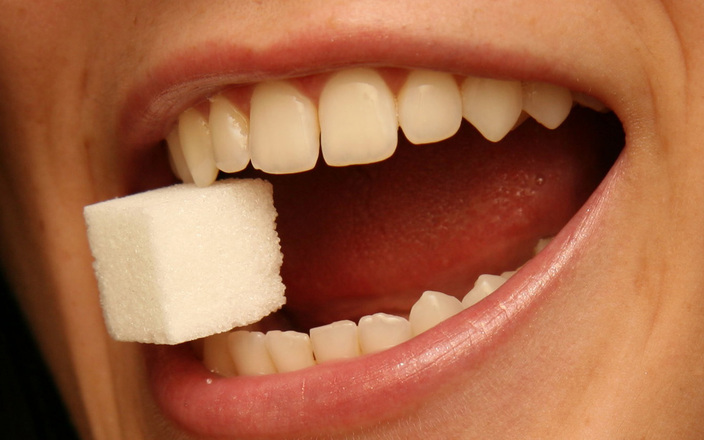
sugar-cube-1325425 The recent  FDA News Release is a bit of a mixed blessing in my mind. I am a big believer in educating yourself about foods, health, fitness, etc so that you are making smart choices regarding your health. At the same time, I think people sometimes get confused with too much information, and end up making drastic decisions which are not smart. I have already seen people freak out about sugar in an unhealthy way. I fear the new label regarding a “Daily Value” for sugar may have the potential to at least confuse people, and at worse, cause some to start eliminating foods.

The proposed goal is for us to limit added sugar to no more than 10 percent of our daily calories, according to the guidelines. For someone older than 3, that means eating no more than 12.5 teaspoons, or 50 grams, of sugar a day (this is based on an average intake of 2000 calories……from age 3 and above, we all eat an average of 2000 calories a day…..supposedly). You can see where I am going with this. I am not a huge fan of math. Definitely not a fan of using it on a daily basis, for instance to figure out how to calculate my daily allowable added sugar.  What is going to happen to those teenagers, especially athletes (who, by the way, need much more than 2000 calories a day)? I can tell you from my experience that many teens and even children start eliminating foods when they have been educated in an inappropriate way about nutrition by well-meaning schools and other adults. The story goes like this: child learns about healthy eating in school, he learns which foods are bad (“red” foods in some programs) and so stops eating them. As a result, weight loss occurs, growth stops, moods change, the brain is no longer fueled appropriately, digestive systems are disrupted, it is a mess. Sometimes, an eating disorder results and therapy is needed.

So now we are increasing our focus on sugar by setting a blanket daily limit that really should not be “one size fits all”. Individual foods will have the sugar content but also a “percent daily value”. For instance,  the example given on the FDA website is “a consumer who drinks a 20-ounce sugared beverage may be surprised to know it contains about 66 grams of added sugar, which would be listed on the label as 132 percent of the Daily Value”. That means that in one drink that person will have consumed 32 percent more sugar than they should have that day. What affect will that have on eating behavior? Will this trigger some people to feel they need to read every label and stop eating anything with any added sugar the rest of the day because they had that soda? This stresses me out just thinking about it.

Don’t get me wrong! I am not a fan of soda or sweetened drinks and also believe in healthy eating. But I believe in educating people about nutrition in a way that makes it doable (which rarely involves much math). The funny thing is I have often used empty soda bottles and other empty sugary drink containers, measured the sugar in them and used for a visual display to help people see what they are consuming. This is always accompanied by more information such as as the message of moderation and having a soda when you want one, but that filling up on 5 cans a day does not leave much room for healthy stuff. You will not feel good. The difference is the focus on health and NOT on restriction or the idea that anything is forbidden.

The bottom line: use the new information to learn about the foods you consume on a regular basis. Being knowledgeable is a good thing. But don’t feel you need to eat exactly the correct grams of sugar or the perfect “daily value” every single day. Instead, stay on the path of caring about your health and doing those things that make you feel your best. Don’t focus too much on the math. Don’t let any food, even sugar, stress you out.

For more stories: Sugar Story

Putting Added Sugar Into Context

Cornell Study on Junk Food: Does it affect weight?

french-fries-1057342

You will soon be hearing about a new study about “junk food” that has been conducted at Cornell (see summary: Study on Junk Food)  Because the press and the public tend to want to draw some huge conclusion and generalize findings of studies such as this, I wanted to be sure to share my thoughts.

According to a Summary by Katherine Baildon researchers reviewed “a nationally representative sample of adults in the United States and found that consumption of soda, candy and fast food is not linked to Body Mass Index (BMI) for 95% of the population. The exception is those who are on the extreme ends of the BMI spectrum: those who are chronically underweight and those who are morbidly obese. Given that there was no significant difference in consumption of these indulgent foods between overweight and healthy weight individuals, the researchers concluded that the overwhelming majority of weight problems are not caused by consumption of soda, candy and fast food alone.”

What does this mean for you? I have noticed the tendency for people who diet to lose weight is to be a bit “black and white” in their thinking. People want to think there is a specific reason they can’t lose weight. They are typically searching (some for many years) for the perfect “diet” or plan to solve their weight issues. The diet industry makes a lot of money taking advantage of the importance of body shape, size and weight in our culture. We jump on anything new (just in case it could be the answer).

The same holds true for when people are tired of dieting. Dieters often break out of their Diet Jail just by having one bite of a forbidden food (aka junk food). Does this study mean that healthy eating does not matter? Does it mean you should stop caring about what you eat?

The good message of the study is that your weight is not affected by any single food (not a chip or carrot has any power over your body size). No, you won’t gain weight by eating french fries with you burger. Actually, this study provides more fuel for the “non-diet” approach to weight. There are many more factors than food that contribute to health (and yes, body size). For instance:

  • Genetics-if high cholesterol runs in your family, you are more at risk. Nothing to do with body size.
  • If you are sedentary, chances are your body is not the healthiest it can be (and you are less likely to be at your natural body weight). This does not mean you have to join a gym or work out like a lunatic. It just means that your lifestyle matters and doing fun active things that you love is more important than having (or trying not to have ) a candy bar when you really crave one.
  • Sleep-if you don’t get enough, your body just plain won’t function the way it is supposed to. Again, your weight will be affected because lack of sleep messes with your appetite (increases it).
  • Stress-mental health is just as important as physical health. Many people overeat or under-eat because they are stressed. This does not promote a healthy body.
  • Nutrition-yes, you need your fruits and vegetables and protein and water and fiber and vitamins and minerals. Focusing on health verses counting calories, dieting, weight and never eating junk food is what gives you your healthiest body.

So the bottom line is, yes, you can have junk food. We have been saying that all along. A perfect diet is not normal eating. Keep on the path of listening to your body, healthy eating, enjoyable movement, decreasing stress in your life, and accepting where your weight falls wherever it may be.  Feeling good and having energy and being happy are possible, even if you have a french fry.

The Bite Diet: Fact or Fad?

OLYMPUS DIGITAL CAMERA

This morning while I was pouring my coffee and half-listening to the news like I always do in the morning before work, something caught my ear as I am guessing it did millions across the country. Breaking news about losing weight! You don’t need to count calories anymore! My first reaction was “Yay!” I have been accused of wearing those rose-colored glasses. I do tend to immediately look at the good in things, without thinking. And this was another one of those times when it was too good to be true.

Nobody was going to say that counting calories was useless (which is what I was hoping). They were just going to throw out another carrot, another false hope for people desperate to lose weight, another gimmick that is probably going to make people do silly things that have nothing to do with making them healthier.

In case you did not have the TV on this morning or were otherwise disconnected from the virtual world (maybe you were traveling in Italy?) then you may not have heard about the new study that made almost every morning show announce “you don’t have to count calories!” So what is the new discovery? Apparently, it is counting bites. Yes, there was a small pilot study conducted at Brigham Young University that had subjects count the number of bites they took per day for a week (to get a baseline), then decrease it by 20-30% over 4 weeks without changing anything else (no increased exercise, no counting calories, etc). Of the 61 participants, only 41 completed the study (was it too hard to count bites? just like it is too hard to count calories?). Of those completing the study, there was a  3.4 pound weight loss over the course of the study. The authors point out that after the first week, when a baseline number of daily bites was determined, subjects gained weight, but then lost weight over the next 2 weeks, and maintained their weight with no further loss over the final 2 weeks. They also point out the limitations of the study, for instance it was a small sample size which was not comparable to the general population. All subjects had at least some college education, were Caucasian with family incomes greater than $50,000 and were likely highly motivated to lose weight.

One point made by the authors of the study was that counting bites  “does allow an individual to be conscious of their eating habits, which is an idea that somewhat resembles “mindful eating” diet theory”. They clearly state that future research is needed with a larger, randomly selected study sample, longer intervention period, a control group, and longer follow up. They also point out that quality and health of the diet of participants was not looked at and this is important.

Yes, the quality of someones diet is important, especially if we want to focus on health verses weight. We don’t need to be “perfect” eaters, but we should care about health if we want to feel good. It is an individual’s choice, but counting bites, just like counting calories has nothing to do with promoting health. And it clearly does not resemble mindful, or intuitive, normal eating which is more about being in tune with your hunger and fullness.

So, it is just my opinion, but I am not a big fan of counting anything when it comes to eating and health. Counting bites, like counting calories, would feel like way too much thinking if you ask me. I am not sure if it would help you to be more in tune with your hunger and fullness or not. If you gobble up food fast and get a stomach ache on a regular basis, then, yes, slowing down might help. But counting bites? It just seems like another gimmick (well, that is how the news station came across, probably just to get people like me to hang around and hear the breaking news!) I greatly respect the researchers who piloted the study as they are part of all of those who are working hard to try to help. All research that contributes to our knowledge helps. Just remember to read the details and know that you are unique. Your story and your life deserves to be treated that way. Keep taking care of yourself, your body, and your mind. And if you like the idea of counting bites, go right ahead. You know what is best for you (and I would love to hear about it!) In the meantime, check out the original article here: Bite Diet Study

I am kind of glad the news station was dramatic. I might not have heard about the study so soon otherwise. And with the time change, I still was not late for work : )

Like Stealing Candy from Babies

Perfect timing! Some sound advice for parents who are not sure about what to do with all that Halloween candy…….

Glenys Oyston's avatarDare to Not Diet

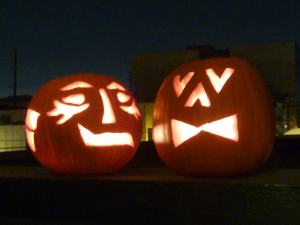
pumpkins Boo! Now gimme my candy!

So, I just found out from this blog that The Switch Witch is actually a thing. It’s a Halloween thing, and it’s kind of a horrible thing, but not in the fun Halloween way.

What’s The Switch Witch? Apparently it’s the Halloween version of The Tooth Fairy, except in my opinion way weirder. After kids have finished collecting their Halloween candy, The Switch Witch (presumably a well-meaning parent) comes along, takes the candy and replaces it with toys, thus sparing the kiddos from being exposed to all that sugary, evil (sarcasm!) candy.

I can only imagine that this started sometime in the last 15 years during the meteoric rise of the obesiepipanic and subsequent food fear hysteria. All that sugar can’t be good for our little ones right? Not when there is so much obesity out there, just waiting to get them! Won’t someone please think…

View original post 708 more words

The WHO Report on Processed Meat: So now what do you eat for lunch?

hot-dog-1320133It is all over the news today, so of course I need to add my two cents. I just hate when these studies come out and people get scared and start to eliminate a food from their diets just because of one report. The reality is, to be healthy, it is never one simple thing.

If you check it out, according to the World Health Organization, about 34,000 deaths per year worldwide are attributed to diets high in processed meats, but that is still just a small fraction of the 8.2 million deaths caused by cancer in 2012. It is specifically colon cancer they are referring to. The review is actually going to be published in The Lancet so if you are interested, check out the link (you may have to pay for the article when it is published). You can also check out  WHO Report.

But I like a realistic look at it, so please take a look at the NYTimes article that explains a bit more about how other factors play a role. Before you cut out anything from your diet, think about all of the other things that contribute to health. Ask yourself:

  1. Do you smoke? then please consider quitting because cutting out hot dogs should not be your first priority.
  2. Are you a couch potato? then consider adding in some movement in your life because a body that has no physical activity will not be any healthier just from cutting out salami.
  3. Do you eat all brown foods? In other words, do you dislike fruits and vegetables and so never eat them? Then omitting the bacon from your burger may not help much in your efforts to be healthy and avoid cancer. You need those antioxidants from foods with color.
  4. Do you hate your job? Are you stressed out everyday? Unhappy in your relationship or life in general? Then never having another ham sandwich in your life is not going to help.

My point is that you need to look at your entire lifestyle, your life in general before you think that making one dramatic change is going to matter. Think about your health, both mental and physical. No, you should not have hot dogs or bacon every day. But having bacon on a Sunday morning is not going to matter if you are otherwise doing all the other healthy things you need to be doing to feel good. Having a great bacon cheeseburger when you go out to eat at your favorite sports bar once in awhile will probably not cause colon cancer. Having salami for a week straight when you go to Italy for your dream vacation also will never affect your health long-term. IMG_5676But if you are someone who eats processed meats (think bologna, salami) every day, never eat fruits or vegetables, is stressed out, a couch potato, and smokes, then maybe just trying to change some of those unhealthy habits would be a good idea. Never eating another hot dog is not the answer.

Humming, Beckoning or Phantom Food: Why You Need to Know the Difference

IMG_5676
Our last meal in Italy started (as usual) with some great Italian bread, olives and salami……….

What do you do when you go out to eat, and the waiter or waitress bring a nice basket of hot rolls to the table? What do you do when you walk into your office and someone brought a box of donuts from your favorite bakery? What about when it is 9 pm at night and you just can’t get chocolate off of your mind? Or you have planned a nice healthy dinner for your family, but you are not in the mood for it at all?

We have to make so many decisions every single day about what to eat. It is complicated and stressful even to those who don’t think about their eating or weight. We all have to eat. Unfortunately, most of us are not millionaires, and so there will be no cook preparing our favorite meal every night (getting tired of the joke “if I was Oprah, I would be healthy because I would be able to hire a chef!”). Unless you love to cook, planning and preparing meals can be a pain. Add to that a concern about weight and you have a recipe for anything but intuitive eating. What I mean is that for those who are always dieting or dissatisfied with their weight, there seems to be a constant war going on when it comes to food choices. It is not about what is available and what tastes good or you are in the mood for, it is about what is on your diet plan. The food rules are in full force and the food police loud and clear in some people’s thinking.

Although I am a big believer in “intuitive eating” and “listening to your hunger and fullness” I also know that most people are not that aware of the forces that pull them in all directions when it comes to eating and food. What made a lot of sense to me was from a book I may have mentioned before that I read way back in the 70’s. It was written by two psychologists (“The Psychologist’s Eat Anything Diet” by Pearson, et al) and had an approach that was not founded in science at the time, yet years later, we now know they were right. The book was one of the first to advise us to “listen” to your food cravings because your body innately knew what it needed. Now we know that there are numerous neurochemicals, or messengers that tell our brains what to eat based on what we need. For example, if you go without adequate carbohydrates for a period of time, your brain serotonin levels will drop and this will trigger you to want something sweet. There are many more, but the bottom line is there is a physiological reason we sometimes really crave something. Also, the authors of the book were the first to coin the term “beckoning” food verses “humming” food. I love those terms because if you understand them, it really can help you to become a more intuitive eater (and less susceptible to environmental triggers).

So what about those humming, beckoning and phantom foods and why do I think it is smart to know the difference?

First,let’s talk about “beckoning” foods. These are the foods you were not thinking about at all until you saw them or smelled them. For instance, you are at the mall, you ate before you went and you are not hungry at all, but you walk by that Grandma’s Cookie place and the aroma overwhelms you.  Or, you wander past the McDonald’s in the mall, and the smell of french fries permeates the air (your favorite fries of all, nobody can make them like the Ronald). Maybe you are in the grocery store after work, a bit hungry and you see the pizza counter with a great looking meat lover’s pizza. That, my friend, is a beckoning food. It is the food you really don’t crave at all at the time, but you see it, smell it, and then want it. The fact is that a beckoning food is probably not what your body wants or needs. It is a trigger in your environment that if you manage to ignore, you will forget about it in short time. But what if you are at a party or social gathering, and someone made something you absolutely love, and even if you were not craving it, you hate to miss out? For example, yesterday I had to teach a class to a group of nutrition students. They had put together a smorgasbord of snacks such as veggies and hummus, fruit and also some very yummy homemade cookies. I was hungry for food, not sweets, but I don’t often get a chance to have good cookies like that (I hate baking, it is way too specific). So I took a plate home because I always want something sweet in the morning (yes, a cookie and coffee makes me happy at 6:30 am-and I am prepared for the crash at 10 am). So the message is, you don’t have to miss out when there are beckoning foods around, but you should not eat them at the time when you really did not want them. Save them for when you really do. That is intuitive eating.

Secondly, what do I mean by “Humming foods”? Have you ever, out of the blue, had a very specific food craving? Once in awhile, maybe every three months or so, while I am at work, getting hungry later in the day, I get an intense craving for some very specific buffalo wings. It does not matter if I had a meal already planned, I change it. I call my husband and tell him “I am stopping at Buffalo Wild Wings, what do you want?” I just save whatever I planned for the next day. No, half my plate is not “colors” the way we dietitians like to teach. Most of the plate is brown that night (well, they do give you carrot and celery sticks).  I figure my body knows what it is telling me. Maybe I need more fat or protein or whatever. Maybe it is a need to treat myself. Whatever it is, if we listen to our cravings (remember, a true craving comes from your body, not from the smell of french fries or the visual trigger of a giant cookie in a store window), we will likely be so much more satisfied without overeating. So pay attention to specific food cravings, a feeling of needing a specific food without ever seeing or smelling it.

Finally, we have “phantom foods”. I do not remember where I first heard this term, but I think it was when I was working at a college with college students who were restrained eaters. The dietitian I worked with was very used to working with these “sub-clinical” eating disorders but I was new to it. I remember her using that word and it made a lot of sense to me with what I was seeing. A great example is a student I saw back then who was binge eating on healthy snacks at night. It was funny because she was somewhat of a “health nut”. She did not eat much meat or any unhealthy foods. Her dorm room was stocked with rice cakes, sugar free jello, and fat free granola bars. She would eat just a salad for lunch, and then again for dinner, and after dinner she would have an apple, then a fat free granola bar, and then another, and another, and then some sugar free jello, and then another apple….and on and on. When I asked if she craved anything, she said she craved cheese burgers. I asked her to experiment just one week with eating what she wanted instead of making herself eat the foods she was making herself eat because the were healthy (also know as Phantom Food). She came back a week later and said “I can’t believe it! I have been having cheeseburgers for dinner, and I am not eating all those snacks anymore! I am actually satisfied and feel so much better!”. That student was able to eat what her body really wanted, and she was no longer forcing herself to eat just the “healthy” snacks-the phantom food that does not satisfy, but that the “diet mentality” says is the only thing that is not bad. Unfortunately, what I have seen in my years of working with people with eating and weight issues is that trying to eat only phantom foods-foods that you think are safe and ok but that really do not satisfy you-leads to overeating, weight gain, and dissatisfaction.

So there you have it. Can you take that chance and really let yourself eat what your body is telling you? Can  you satisfy your hunger and then move on to all the more interesting and fun things in your life to do? Can you stop forcing yourself to eat those phantom foods that you really don’t want? Can you walk past those good smelling food places, and tell yourself that when you really want that, you will go get it? Can you ask for a doggie bag and take those cookies to go so that when you really want them, they will be there? (You can freeze stuff too, you know).

Some people may find this very hard or impossible-that is ok! My goal is to help you be reflective and think about yourself, not to turn you into an intuitive eater overnight. I just hope to open your eyes to a different way of looking at eating and food, with the hopes that you will take just one more step to being happier with your relationship to food. Or at least understand yourself a little bit better.

IMG_5677
My husband’s last meal in Italy, same restaurant with the bread in the bag

So that picture of the bread and salami and olives? Totally beckoning foods before an amazing dinner in Milan. Of course I tried that bread. Sometimes, if  you are in Italy for example, you know you won’t get to have that again for who knows how long. And we had no freezer.  So Joie de vivre ! Enjoy life : )

IMG_5681The Italian Restaurant outside of Milan, Italy

How Many Calories Do You Burn with Exercise? And Why it is a Waste of Time to Think About it.

IMG_7743That’s my bike. My husband was away for a week, and with nothing much to do after work, I decided to take advantage of a half day, warm weather, and Fall in New England. I planned to take a spin on my bike on a great bike trail near where we live in Connecticut. I packed my camera and a water bottle, threw my bike in the back of my Subaru, drove a few towns over, parked, and started my adventure. Because it was a weekday and early afternoon, I was alone on the trail. The trail winds through several rural towns with corn fields and rolling hills with trees bursting with color everywhere I looked. I was beside myself with joy. I was out there for 2 hours, but had stopped a dozen times to snap pictures. One of a duck on a pond where the reflection of him and the trees around looked like a mirror. Another of hay rolled up alongside a field where a farmer was working. It all was absolutely magnificent.

Back in the day, I used to bike very differently. I use to wear those black padded shorts and have bike shoes (I still have them) that clipped onto the pedals so that you could be more efficient and pull your pedal up as well as push down (easier to cover more miles that way). I would do a route during the week that was 20 or 30 miles, with weekend rides that were 50 to 100 miles. It was actually pretty fun, and very meditative.

But now, things have changed. My husband loves the bike trails, and loves to be active, but the first time I biked with him, we stopped many times for tag sales, ice cream, wine tasting, you name it. With those bike shoes clipped onto the pedal, I almost killed myself! I finally put on regular pedals and wear sneakers. I transitioned into a typical biker who just has fun. I love it, too.

To me, except for that extreme road biking where destinations far away were the goal, I have always looked at exercise in a different way than the “diet mentality” would have you look at it. Actually, even with the biking, I really enjoyed myself. It was fun. There was never any connection to eating (although, when I ran out of energy, I often stopped for ice cream, which is a great and fast way to refuel when you are on the road like that).

Today, what I see is treadmills and stationary bicycles in gyms that tell you how many calories you are burning (FYI-do you really think a machine can predict that? Even if it knows your sex and weight, it does not know your dieting history, or your muscle mass, which greatly affects your metabolism). I hear people talk about how they can eat something because they are going to “burn it up” at the gym. At work, when I look for nutrition education materials, I cringe. Just today, I was looking for a colorful and simple handout to teach about healthy drinks for a class I was teaching this morning, and what I found was a handout on the sugar content of certain drinks (ok to educate yourself). BUT it then spelled out how many minutes of walking it would take to burn up the calories! Seriously? I did not use it.

Did you know that exercising after eating with the specific goal to burn the calories is sometimes referred to as “purging with exercise’? It is not psychologically healthy. It is a disordered way of looking at what should be something you do because it is good for your body and also enjoyable.

Are you someone who looks at calories and then tries to figure out what you have to do to burn it up? That is so NOT FUN and also not helpful when it comes to the real reasons we exercise.

First of all, I want to ditch the word “exercise” because people have negative feelings toward that word (I know because I have asked every person who has attended any weight management class I have ever taught). When I ask what the first thing they think when they hear the word “exercise” people say: pain, tired, boring, hate it…..So instead, I like “physical activity”. Or PA for short. PA can be anything and that is why I like it. It can be walking with a friend, it can be going out dancing. It can be hoola hooping. It can be cleaning all day long or mowing the lawn or moving furniture.

We all need PA on a regular basis because that is what our bodies like and need to not only feel good but also to work better. When we move daily we sleep better, we are better able to regulate our appetites (our chemical messengers work better), we release endorphins so our mood is better, and it is easier to deal with stress. We get stronger so that if we fall down, it is easier to get up (or we can help move things, like furniture).  We are more likely to have a normal blood pressure, our “good” cholesterol (HDL-high density lipoprotein) is more likely to be high (which is what we want since HDL is protective). We get skills (such as being good at volleyball or basketball, or being the best dancer, or the best hoola-hooper like I am) and being good at something is very good for your self-esteem.

So, yes, being active is very important for our health, how we feel about ourselves, and our energy level. But, there is absolutely no benefit to knowing how many calories you burn. In fact, if that is what you are focusing on, your are likely to be miserable and eventually hate physical activity. I have found that people who do this (focus on burning calories to lose weight) tend to give up. They tend to stop “exercising” at the same time they “blow their diet”. So if you link physical activity with calories or dieting, you will miss out on all the fun things in life that keep both your mind and body healthy.

Do you think you can let go for even one day of thinking about moving as a way to burn calories? You don’t have to make an “all-or-nothing” decision. Instead, why not experiment with looking at moving in a fun way (something you enjoy) instead of a way to burn calories or lose weight, even for one day (maybe a Saturday when you might have more time?). See how you feel. Then the next time you go to a gym, or look at some device that tells you how many calories you are burning, just say “You don’t know me!” And go enjoy a fun day of moving….IMG_7748 IMG_7738 IMG_7707

Having Your Cake and Eating it too….what to do about “junk food” for you and your family

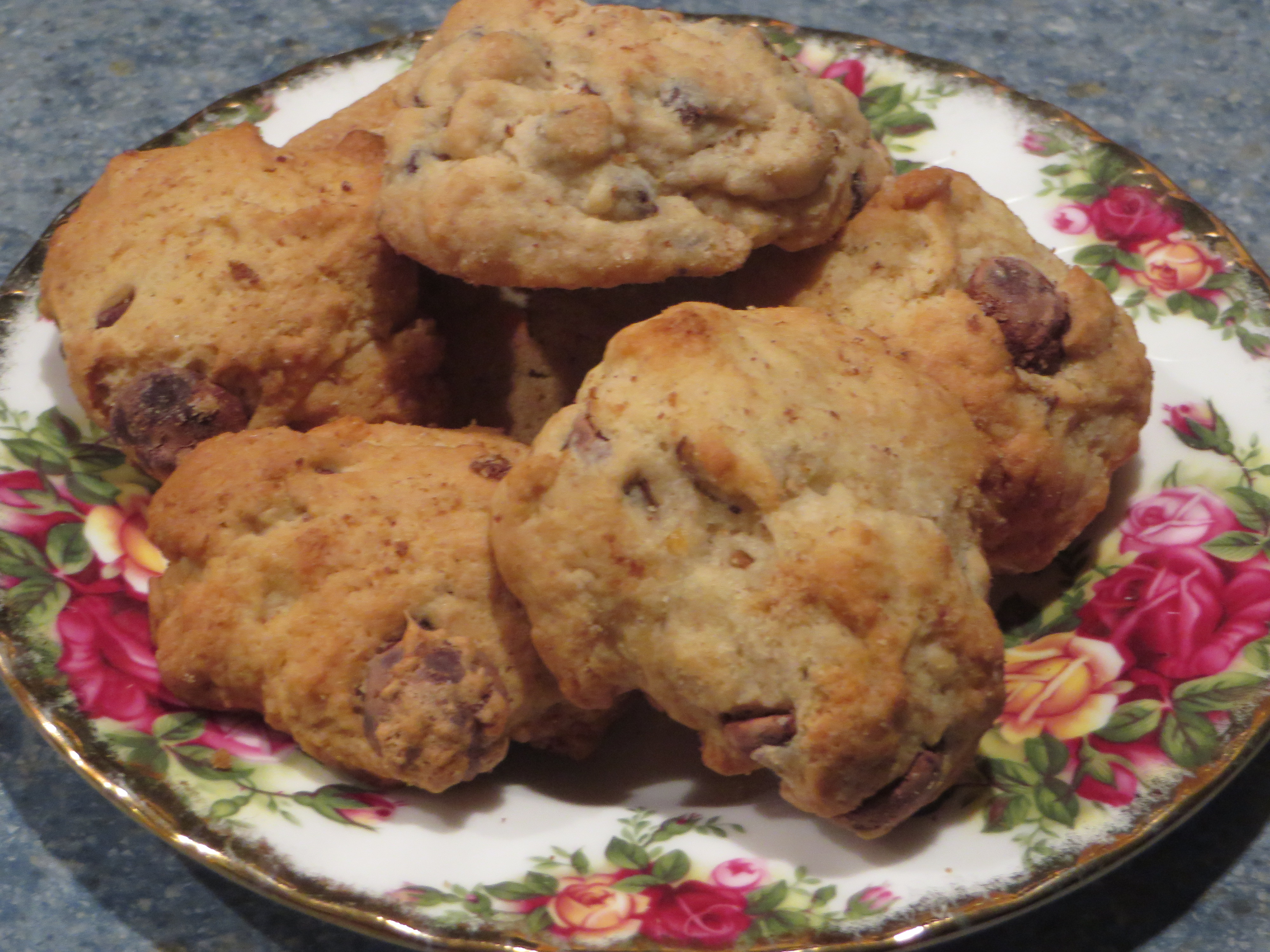
IMG_7692Let’s face it. Do you really and truly think you should live the rest of your life without having a good old homemade chocolate chip cookie? The cookies pictured here were baked by my mother-in-law for a recent family gathering. I was fortunate to grab some that I packed away in a freezer bag for later cookie cravings. Anyway, after a recent post about childhood obesity and the damaging repercussions about an unhealthy food environment, I got some feedback about how children should not be restricted as this will likely contribute to binge eating, and an increased focus on food.

While I totally agree with the principles of hunger-motivated eating and “intuitive” principles of eating, I also know that it is not as simple as it sounds. My husband has always joked when I have said “listen to your body” because his body says to eat the entire bag of Lay’s! Of course this is not exactly true, and I have never seen him consume an entire gigantic bag of chips, however this is an issue that comes up often when “intuitive eating” and “listening to your body”is promoted. What is a parent to do when a child does appear obsessed with whatever sweets are in the home and can’t wait until he or she can get a hold of it? What is an adult supposed to do when they are dieting and truly craving something sweet? or salty such as chips?

We are a culture of “all or nothing” thinking. You have heard it before….the dangers of being “on” a diet, then “off” a diet. People follow the craziest and most restrictive diets for a variety of reasons, but when, inevitably, they can’t maintain the restriction (usually due to a powerful physiological response to starvation coupled with an environmental trigger, such as exposure to a particular food), well, after they break the diet, everything changes.

After having that cookie, or eating a handful of those chips, total mind games take over. The “all or nothing” mindset kicks in and people lose control (who wouldn’t?)

The problem is that if we want to encourage our children to eat healthy, but also don’t want them focused too much on eating and food, then we need to be careful about the messages we send. We want them to make healthy choices, however, we don’t want them to feel guilty about having a cookie. What is the best advice to promote a healthy relationship to eating and especially, to “fun food”? Here are my 5 Tips for Having Your Cake and Eating It Too….

  1. Never withhold food from a child, especially a sweet or dessert, until they have finished the main meal. This serves to reward them with sweets and teach them that something is very wrong with the food they are being served and something is very special about the sweet they are being rewarded for. Instead, let them have the sweet right along with their meal. This bothers many parents because they were brought up back in the day when sweets were used as reward, or withheld for punishment. Many of those brought up this way tend to continue to reward themselves with sweets when they are finally adults and can do what they want. I remember one patient I saw for binge eating. She had gained and lost hundreds of pounds over the years. Her mom used to restrict her to make her lose weight, so when she finally was out on her own, she was all about getting back at her mom and started to use food (sweets especially) as a reward for almost everything. Now as an adult, her mom still made comments about her weight and eating, and it bothered her, even though she was 50 years old.  I remember her telling me after her mom passed away that she still was feeling restricted and it was hard for her to accept now that her mom was no longer alive, she did not have to sneak or get back at her. It still was hard for her as she had been doing this for so long (binge eating sweets). So the message is, beware of restricting sweets or making them special as it will likely mess up your child’s relationship with eating (or if YOU have been restricted, maybe it is time to think about sweets in a different way?)
  2. Pay attention to your child’s reaction around food (and pay attention to your own feelings when food is around). Accept that everyone is different. You may discover that your child has little interest in eating (I see these kinds of kids all the time in the Feeding Team, where children are referred for feeding issues). Or maybe the opposite is true, and your child seems obsessed with food. This sometimes is due to a child’s food intake being restricted, or too much attention placed on a child’s eating or weight. Other times, I have seen it just be that the child simply enjoys food and eating.  Even as an adult, some people seem to be bored with eating (“eat to live”) while others are somewhat obsessed with it, love cooking, love eating, and spend lots of time on it. This is not a bad thing necessarily, however if it is due to previous restriction, or dieting as an adult, then this kind of eating and food obsession tends to come with guilt, not pleasure and enjoyment.  The bottom line is you need to pay attention and accept that everyone is different. If you have a child obsessed with eating for whatever reason, or if you are for whatever reason, then it is important to create an environment where everyone is able to enjoy food and eating, but not be triggered into binge eating. This means having those fun foods on a regular basis because you enjoy them, but not going to Costco’s to buy the mega cookie tray to leave on the counter where there is a child who is not going to be able to stop. Or do what I do, and put them in zip lock freezer bags so you can take out what you want when you want it. No one is deprived and no one is triggered. Yes, I have had patients who are not able to do this as they will binge on them frozen. Know yourself, and do what you need to do to have balance in your eating.
  3. Again, I have said it before and I will say it again. Don’t treat children (or adults for that matter) differently when it comes to sweets, or what foods you allow them to eat. If you want to make sweets or some other fun food (chips, fries) a part of a meal, let everyone, no matter what their weight or body size have it. Don’t make comments like “that is enough”. Let everyone have what they want and need. Encourage listening to your “tummy”. How do you feel? Do you feel satisfied, stuffed, still want more? It is important to help children, and also important for adults to learn how to eat ALL foods in amounts that make them feel good. Not stuffed, not uncomfortable, but good. Satisfied. The only way to do this is to have these foods on the menu.
  4. Talk about being healthy, and not about how “good” or “bad” a food is. I personally think it is ok to educate even children a bit about nutrition. It is ok to say “milk makes your bones strong!” or “this broccoli has lots of vitamins and makes us feel good” or “that has a lot of sugar in it, so we need to brush our teeth so we don’t get a cavity”. But is it not ok to talk about food and weight. Don’t say “cookies are bad for you! If you eat too many you will get fat!” Instead, have cookies as a part of a meal that provides some good nutrition (such as a dinner with meat, vegetables, grains, a glass of milk). It is really amazing how children will not devour all the cookies first as you would expect when they are given in a neutral manner, without judgement along with the rest of a healthy meal. Yes, if you have been restricting sweets, kids will go to them first. But after awhile, they won’t be special anymore. This will work for you, too. Although if you have been dieting or restricting excessively, you may need the help of a dietitian and therapist to guide you. Don’t feel bad if this sounds impossible. For many who struggle with eating disorders, it is. That is why knowing when you need help is important.
  5. Realize as a parent or as an adult, you make the decision about what your food environment will be. You go to the grocery store and you bring home whatever you buy. It is not restrictive or wrong to decide to predominantly have healthy foods in your home. If you know how to cook, healthy meals are really yummy! You are the one to decide if food is left on counters or in cabinets where children can help themselves. Don’t villainize the food, but instead, have it be a part of your normal healthy meals when you really feel it fits (and you want it). We all have our family favorites. When I grew up, ice cream was our thing. We would go every Sunday on long drives in the country and eventually stop at the same farm where they made their own ice cream. We all got what we wanted (I always asked for the green ice cream, also known as pistachio…still my favorite). In my husband’s family it was Grandma Harmon’s cinnamon buns. They are a pain to make, but when my husband does, he makes a lot, and we freeze them. We make them last!

So the bottom line is that it is smart to normalize “fun foods” so they are not so special after all. There is less need to be obsessed with them when they are treated neutrally, and when we get to have them. At the same time, we want to feel good. Therefore, it is smart to have our favorite fun foods as part of our normal healthy meal. It does not mean we need to have these fun foods at every meal. It could be once a day or a few times a week, or even a few times a day. As long as everyone gets the nutritious foods we all need to survive, that is what matters.

Also, it is imperative that we don’t talk about any foods in harmful ways (“this will make you fat”). Instead, talk about how yummy it is and enjoy it. With a focus on a healthy lifestyle (adequate sleep, fun physical activity, balanced healthy eating, relaxation) a normal amount of sweets, chips or other fun foods is fine.

So what is YOUR family traditional fun food?