If Losing Weight is your New Year’s Resolution, Don’t Forget Your Secret Weapon: IA

Everyone is born with it. Babies and children know exactly how to use it. But something changes over time, over months and years, as our vast and varied experiences with eating and food accumulate. It gets unknowingly numbed, sometimes obliterated, taken away inadvertently by others, then finally thrown away by our own means. Eventually, most of us forget it’s even there, let alone how to use it to our advantage.

I’m talking about IA. Interoceptive Awareness.

Think about almost any child you know. A 4 year old will get half way through a plate of spaghetti and suddenly stop. “I can’t eat anymore”, or “I’m full” the child will insist. The informed parent will be wise and listen. But the typical parent will often visually look at the amount of food the child ate and feels it is just too little, it can’t be enough. So instead of allowing the child to follow is natural body signals, they insist the plate be finished, or the child take “just one more bite”. And so it begins.

That 4 year old body knows just how much he needs to eat. But he will lose this natural ability if his parent keeps this up.

Well, it’s that time again….New Year’s resolution time. People pledging to lose weight is probably up there as one of the most common pledges. I am not here to promote losing weight as a good goal for everyone, but I do know that lots of people gain weight over the years because they have lost touch with their IA. That means the weight they gained is not normal for them, it was a gradual accident. So let’s talk about IA, what it is, how you lost it and how you can get it back.

Interoceptive Awareness in simple terms is the way your body communicates with your brain about what is going on which helps you understand and decide what your body needs. A simple example is being thirsty. We have all experienced that feeling. You are outside working in the heat, or walking on a hot day. Your mouth feels dry, you feel uncomfortable and somehow you know you need water. That is your body using IA to tell you to drink. It involves a complicated process with your mouth, brain, blood volume etc. integrating signals and monitoring your physiology to make sure you do the right thing to stay alive: drink more water.

The same type of process happens with food and eating. Back in the day when I first became a dietitian in the 70’s scientists really didn’t understand how we knew how much or what to eat. They knew it was complicated (certainly genetics were a factor, as well as culture and environment) but they were just scratching the surface of it all. Leptin was discovered which was a big breakthrough. This messenger was found to actually monitor our fat cells for changes then sending signals to the brain to eat more or less depending on how much fat was there. If you ate too much, leptin would send the signal to eat less. The discovery of leptin was just the start. For those of you who are interested in a more detailed explanation, check out this article:https://www.scientificamerican.com/article/decoding-your-hunger-during-the-holidays/

We now know there is a specific messenger for fat intake, and for carbohydrates (every wonder why you sometimes crave sweets? Chances are you didn’t have enough carbs at your last meal). Yes, your body wants (and needs) balance. Please note that some people have to be on special diets due to medical conditions. Ketogenic diets are sometimes used for patients with seizures. Paying attention to carbs is important for diabetics. There are definitely medical conditions and genetic abnormalities that contribute to an individual who is not able to follow natural body signals. Babies born with Prader Willi Syndrome fail to thrive at birth however then tend to overeat with no shut off later in life and may gain an unhealthy amount of weight if not monitored. These are the exceptions. For most of us, our body signals and IA work fine. We just don’t listen.

Besides having well-meaning parents interfere with our natural ability to listen to our hunger and fullness, when we consciously try to manipulate our eating, especially in extreme ways, over time we really can do damage. I have had many patients in the past say “I am always hungry” or “I am never hungry”. Often, they have slowed their digestive processes and their metabolisms down by skipping meals or restricting, and they lose that feeling of hunger. They have to follow meal plans to get their digestive system and metabolism working again. Even if you have not gone to this extreme, but instead have simply tried to diet by eating less, your mindset gets engrained in a way that gets stuck. Many people simply don’t trust their hunger because the diet mindset tends to be “all or nothing”. Either you are walking around hungry because you are dieting or you are overeating and feeling uncomfortable, throwing caution to the wind because you are off your diet. This on a diet/off a diet lifestyle certainly keeps you disconnected from your natural IA.

So is counting calories, measuring foods or cognitively restricting your food intake the answer? As I have said many times, people do have the goal of losing weight and often do lose weight dieting, however they usually gain it back because they have not even begun to try to work on getting in touch with what their body is telling them. How do you start? Where do you start? One meal at a time. One snack at a time. Here are some tips to get you started.

  1. Identify Habits: before you can get in tough with your body signals regarding hunger and fullness you have to work on eliminating the triggers that cause you to eat when you really are not hungry.
    • Do you eat while distracted, such as at the computer, in front of the TV or while talking on the phone?
    • Do you graze all day instead of actually sitting down to a meal?
    • Do you keep food in your car, at your desk, in your bedroom?
  2. Designate a place to eat without distraction both at home and at work.
    • To help tune in to your gut messages it is helpful to avoid distraction and pay attention to what you are eating
    • Sit in a chair at a table or counter. Do not stand and eat.
    • Turn off the TV, leave your phone somewhere else, don’t read. Just eat.
  3. Designate meal and snack times if possible.
    • Snacking all day instead of eating a real meal can confuse your body. If you are a snacker plan on a breakfast time, ONE morning snack, a lunch time, ONE afternoon snack, a dinner time and ONE night snack
    • If you are a meal skipper and tend to wait until dinner time and after to graze all night INSTEAD plan 3 meals a day and ONE pm snack. Plan a breakfast time, a lunch time and a dinner time. You may not feel hunger since you have been tuning out your signals for too long but they will come back over time. Start small.
    • Be flexible. Eating at the exact same time every day is not the goal. It is the pattern we want to change. Eating within an hour time frame (for example, breakfast between 7 and 8, or lunch between noon and 1 pm) is a good goal. If this is hard for you even within a 2 hour time frame is a start in the right direction.
  4. Take time to think about what you want to eat. Sometimes your IA will plant a specific food or foods in your brain and that often means your body needs something. If you have been dieting and have been feeling deprived this may be difficult, but don’t give up. Take the risk, even for one meal a day. Some people feel too guilty letting themselves eat something they consider unhealthy. The goal is not to turn you into a junk food eater. The reality is that once you are in tune with your body, you will realize that you actually rarely crave junk foods as often as you think you will. I recommend if nothing is calling to you strongly, if you really are not craving anything, then try to choose a healthy meal that you really enjoy. Please note that if you are suffering from disordered eating, or have been diagnosed with an eating disorder please consult with your therapist and dietitian before making any changes to your eating. If you feel overwhelmed just thinking about any of this, I suggest even one consultation/evaluation with and therapist who specializes in eating issues.
  5. Tune in to your hunger/fullness level. Consider keeping a diary with a record of hunger level before eating and fullness level after eating. A scale of 1-10 is often used with 1 being “starving” and 10 being “stuffed”. A “3” might indicate normal hunger whereas a 4 is just a little hungry and you could wait to eat. After eating, a “7” would be a comfortable normal fullness whereas an “8” would mean eating a bit too much, a 9 definitely getting to uncomfortable. Keeping this record often helps recognize patterns and makes it easier to not eat when not hungry, and to be sure to eat when you are. Remember, this is a very subjective tool and I have known many people who can’t relate to it at all so if this is you, no worries! Just take the time to think about it. Stop and think about how hungry you are before you start eating, and reflect on how full you are after you eat a meal. Eventually you will identify how disconnected, if at all you are to your IA, to your awareness of hunger and fullness. (Note: we are all different with respect to a messenger (PYY) that tells our brain we are full. For some people PYY works really quickly and after eating a certain amount the messenger tells their brain to stop eating. These are the people you may know who just naturally do not over eat. For most people it takes 20 minutes for this messenger to work. For others it is longer. These are the folks who can seem to eat a lot at times but then feel uncomfortable a half hour later, complaining that they ate too much. For this type of person it might be helpful to set a timer for 20 minutes and after a plate of food wait for the 20 minutes before taking seconds. Chances are the fullness will kick in by then and that feeling of being overstuffed can be avoided). Oh, we also know that regular physical activity may help you be more in tune with fullness AND hunger.
  6. Appreciate the complexity of appetite. It is not that simple. The complicated neurochemical picture is hard to comprehend. There is so much to know. Did you every hear about NPY, the messenger that tells you to eat and won’t go away unless you eat enough protein? That is why after what you think is a healthy lunch of salad and fruit leaves you wanting more. Have you heard of ghrelin? This messenger also stimulates appetite and is elevated if you don’t get enough sleep! That is why you can’t seem to satisfy your appetite on those days after a late night out. Can you imagine how hard it is for someone with undiagnosed sleep apnea to maintain their normal weight? If you don’t sleep well, talk to your doctor. Finally, our emotions and personal histories make things even more complicated. We now know that pathways overlap in our brain that regulate both food intake and emotions. So if you ever used food to soothe yourself expecting to be able to suddenly be able to “listen to your body” is not realistic. Again, if you believe you are an “emotional eater” it might be wise to seek help.
  7. Educate yourself. Intuitive Eating is no longer a new concept and Mindful Eating is something that many people are working on. It is a much better goal than “losing weight”. Moving toward feeling better, feeling and being healthier is a good thing. Check out the website for more info. https://www.intuitiveeating.org/

Happy New Year! Here’s to NOT trying to be perfect, but moving a little bit each day to a more aware, healthier and happier YOU!!!

Middle-Age Alert: The Time to Act is Now (5 Tips)

The other night a bunch of us retirees were joking about what exact “age” we now consider to be “old”. We all remember way back when we were approaching our 30th birthday and how we felt . Being 30 was “old” to someone in their 20’s. But then we turned 30 and realized nothing changed. Now, 40 is definitely young (we have kids in their 40’s for heaven’s sake), and 50 we can barely remember, so that is definitely not old either. Now, we look back and realize how fast time flies. We wish we only knew then what we know now. So that is why, after taking this break from writing, I felt motivated to write again. To share with you what you might want to know now rather than later when it could be too late.

Do you sometimes wish you could see into the future and know what you are going to be doing and how you are going to feel in 20 years? Will you be working in a job you love? Will you be energetic and healthy when you finally retire? Will you still have the friends you have now? Will you be happy in your relationships? Not everything is in your control. Unfortunately, tragic events change lives and disease is sometimes genetic and can’t be prevented. But as I progress in years (you know, get older) I can’t help but compare the quality of life in those that make certain choices verses those that make other choices. There are consequences to our behaviors. Over time, the detrimental (or beneficial) effects of our behaviors add up. In other words, what you are in the habit of doing TODAY has a HUGE impact on the life you will experience later. If you want to be sauntering up and down those cobblestone streets of Cinque Terre, doing that bike and barge river cruise in Amsterdam, or just enjoying a swim in the pool at a resort in Cancun, the time to start thinking about the future is now.

 Most of what I am going to mention is nothing new to you. What I am hoping is you might appreciate the experience and observations of someone who is living through it, witnessing the changes and experiences first hand through those around her and feeling it herself. If your partner or mom give their advice it sometimes makes us resentful. I hope this post makes you stop and think.

 Here is a list of what I have personally observed to have the greatest impact on your future enjoyment of life itself:

  1. Moving Too Little (or Too Much)

 One of the benefits of retiring to Florida is getting to know a bunch of snow-birders from around the country. I have been blown away by the very fit people over 70 down here. Every day I see both women and men, some over 80, riding their bikes to the pool for water aerobics at 9 am. I see them walking their little ankle biters (I mean poodles) around the almost 2 mile block early in the morning or after dinner every single day. The same group of elderly men and women are going at it with pickle ball 5 days a week. Pete, who is 80, arrives like clockwork at 4 pm at the pool to do his laps for almost and hour. These happy, healthy elderly people MOVE and as a result, their bodies keep working for them, enabling them to have fun.

 On the other hand, I have observed some other people who do not move so much. They struggle going up stairs, they can’t easily get into the car, their knees and hips and muscles hurt. Yes, it could be arthritis or osteoporosis or any other affliction that plagues us as we age. So that is why I also pay attention to younger folk, people my age or even younger, who don’t yet have those afflictions, yet suffer from the same poor quality of life. They get sore from simple repetitive activities. They lose their breath going from place to place. Their body hurts after a little exertion. They struggle getting up from the couch or a lower chair. They have to rest a lot because their muscles just are not used to moving. Their “habit” of avoiding movement at all costs regardless of reason(too much time on social media, watching TLC, working at home on the computer, etc) is starting to affect their quality of life. Even at the age of 40.

 And then, of course, there are those exercise addicts who pride themselves on going to the extremes their entire lives. I have known people who didn’t stop at a few rounds of golf and had to play all day, every day and now can’t play at all because of shoulder issues. There are those with tennis elbow because they overdid their sport. Stress fractures and hip issues seem to have afflicted some elderly runners I have known because they never took a day off. The list goes on and on. Too much of a good thing ends up being a bad thing sometimes when you get older.

 So which are you? Do you incorporate some kind of daily moving in your life? Unfortunately, lots of people only “exercise” when they are dieting because their end goal is losing weight. This is a HUGE mistake. Actually, if this is your goal, and you can project into the future, think about what kind of life you want to be able to enjoy when you are older. Walking for 30 minutes a day, even if you can’t do it all at once (such as 10 minutes, 3 times a day) could change your future life. Over time it adds up. The typical person I have seen over my many years in the field joins the gym and starts the diet on the same day. They are determined and diligent. But it turns out to be almost impossible to meet the (ridiculous) goal of going to the gym consistently at 5 am before work or 6 pm after work 5 days a week in addition to following that restrictive diet. It is pretty emotionally draining to think about eating all the time in addition to the grueling workout schedule. Most people give in. They break the diet because with all that physical activity your body requires (and will crave) more carbs….which of course are not on most diets. So once the need for carbs (ice cream, cookies, chips) is naturally satisfied the diet is broken and the gym days are over, for now. Until the cycle starts again.

Instead, just imagine that over the next 10 years your body managed to walk 3,000 miles! Do you think that body would be stronger, more fit and feel better, even without dieting? The reality is that body also would sleep better, be more in tune with how much it needed to eat, be less stressed and happier as well as be at a more natural weight. The point is, if we stop linking moving with losing weight and dieting and instead just focused on how to incorporate more movement, even just walking 2 hours a week our lives would be different when we are older. Much different.

Take my mom for example. She is 91 years old and is in constant motion, walking inside the house, counting her steps up to 100 if she can’t get outside. When other people her age nap on the couch all day, she is out having fun. Because she can. She is the best example of how moving every day, no matter what it is, will change your life. She also is pretty funny. She loves to say “that will be a dollar” every time she gives advice or says a prayer for you that gets answered. I should have added humor in my list of factors that make you healthy. Anyway, as far as physical activity, you don’t have to run a marathon. Just start moving.

2. Smoking Cigarettes

 Duh. Of course you know smoking is bad for your health (causing cancer, heart issues, etc). And yes, if I look around at people who are over 60 and smoke, it is true, they do appear older because of how smoking affects your skin and appearance over time, but the health repercussions are what is crippling, not wrinkles. With that said, I realize knowledge is NOT power when it comes to smoking. Smoking is an addiction to a substance as well as a deeply ingrained habit that is hard to change. I can speak to this issue because of personal experience, so I am going to share that in hopes it may shed some light. If even one person quits smoking from reading this, I will be thrilled.

 So when I smoked cigarettes it was in the 1970’s. I was a senior in high school. I vaguely remember that my Newports cost about 50 cents a pack. I went off to college and for some reason, I went from a half a pack a day to almost 2 packs! And then, I clearly remember the price jumping up to over 60 cents a pack. That was it. I couldn’t afford that! Also, I was moving in to an apartment with 3 women who did not smoke and I did not want to be the one stinking up the place.

 So here is the thing, the important take-home message: I MADE A DECISION. Yes, I had “tried” to quit smoking before, and if you have tried to quit, you may relate. Before, deep down I would be thinking, “how long will I last?” This was the first time my thinking was different. I DECIDED that I did not care what I had to go through, I was quitting. I also remember consciously adopting a brand new identity: Healthy Person. This was new (which is funny as I was a nutrition major at the time, but smoking was socially acceptable back then). I also (as a “healthy person”) started exercising for the first time in my life. I dragged myself to the pool in the field house at UConn several times a week at night to swim. I had ants in my pants and needed to do SOMETHING. I remember leaving the field house and walking to my car in the freezing cold and my hair would turn into icicles and clink. Then, in the spring I took up jogging. I was REAL SLOW, but I felt so empowered and very cool as a “healthy person” it didn’t matter that it took me 20 minutes to cover a mile. I loved it. I was hooked.

 That’s the good part. The bad part was the process. Several years after the fact I became a Registered Dietitian. I took a part time job at the local YMCA and was trained by the American Cancer Society to teach their “Fresh Start” classes on quitting smoking. I learned about the 3 parts of being addicted to nicotine and smoking. I reflected back on what I went through and it all made sense. The first part is the chemical addiction. Luckily, it only takes about 10 days to get the nicotine out of your system. The second part of the problem is the HABIT you have practiced over the years that has become deeply ingrained in your brain. This means that certain things become “triggers” to make you want to smoke. For me, I had a cigarette when I took a break from studying (and I studied a lot). I had one with my coffee in the morning and one with a beer on the weekends. I had one after eating and socially smoking was always involved. I smoked when I was stressed and I smoked while walking to class and after class. Like most smokers, having a cigarette was associated with all kinds of activities. That is why every time you do the activity (eat, drive, have a coffee or a drink, etc) you are going to want a cigarette UNTIL you KEEP PRACTICING a new behavior. For me, it was being very aware of simply sitting there…doing nothing. That was it. The hard new behavior was doing nothing. Funny thing is now I crave times like that, just sitting in quiet. The reality is for any bad habit the act of practicing doing something different over time actually changes the brain’s pathways so that eventually it becomes automatic. You don’t have to think about it or even try anymore. You just have to practice.

The third, and most difficult for me anyway, is the “emotional” aspect of the addiction. I did not understand what was going on at the time. I just found myself crying for no reason. I felt like someone died. After the fact I learned that I had made a friend of cigarettes. They were there for me every time I needed them. They connected the events of the day for me. They filled the space, a void. And when I DECIDED to let them go, well, the pain was real. It may sound weird to those of you who never smoked. But smokers will relate. It is painful to let it go, and that is because of the emotional addiction. It DID feel like someone died because something was gone. But just like with a bad break-up, you do get over it. And boy, life is SO much better, especially as you age. After I quit, when I walked to class, I could not believe how much energy I had! I could breathe! This is how I am supposed to feel, I remember thinking. Trust me, you don’t even realize how crappy you feel until you don’t feel crappy. It is life changing. I honestly, thank God, still feel that good. 45 years later (or more).

 Not to mention the money you save. Let’s just say if a pack of cigarettes is about 10 bucks, and you smoke a pack a day, that is over 3,000 dollars a year. If you quit now and retire in ten years, that’s 30,000 dollars for that new house down payment, or better yet, for that European River Cruise on your bucket list. Enough said about smoking. But please, think about it. I hope you make the decision, go through the pain and come out the other side. Check out The American Cancer Society website for help https://www.cancer.org/cancer/risk-prevention/tobacco/empowered-to-quit.html.

3. Ignoring Nutrition (or Obsessing about it)

 Unfortunately, most people I have known and met over the years think about eating and food with the very narrow view of how it affects their weight. They think “good” and “bad” when it comes to food. They often have dieted over the years, lost weight, gained it back and then stop paying attention at all. It is socially acceptable to diet and focus on eating only as it relates to helping you lose weight or not. That’s too bad because food and eating well can be such a wonderful and enjoyable part of life. It is sad that so many people are probably reading this and thinking “are you kidding me? I am tortured by thinking about food!” So, I am not going to pretend this is easy. It is not. What I am hoping to convince you to consider trying to change extremes of eating. The fact is that eating more fruits, vegetables and healthy fats as well as fiber have a huge influence on preventing disease in our future lives. Waiting until you have prediabetes or heart disease is not a great time to start thinking about what you are putting into your body.

 When it comes to healthy eating, there are a few different mindsets I have noticed. There are actually people who escaped the entire diet-obsessed weight-focused movement and do not have the diet mindset at all. They like to eat. They just honestly don’t think about it. Let’s say you fall into the “ignore nutrition” mindset. Maybe you don’t think about what you eat because you simply have no interest in food. You never enjoyed cooking, and having people over for a dinner party is more stressful than joyful. Planning meals for the week and packing a lunch to bring to work feels like so much work. So you tend to pick up a burger for lunch or just grab some chips, a soda and a candy bar to get through your day. Isn’t that why they invented Coca Cola? You feel ok, what is the big deal? It is also easy to buy some frozen meals or pizza or whatever. You grew up with canned green beans and corn. TV dinners were the norm as was hamburger helper. Twinkies and Bugles were a staple in your home (and they still are).We all did not grow up in families with adults who just loved to cook. Some of us just could not afford to eat differently anyway.

  OR maybe you DO have the diet mindset, and you don’t want to think about what you eat because you are not following a diet right now. You DID fall into the craze but right now, you are off the diet bandwagon. You know you will be going back on eventually, when you are motivated again to lose the weight. Maybe it’s Weight Watchers, or Noom, or counting carbs or calories or “clean eating” (hate that expression). It doesn’t matter, just that now you are ignoring it all. So why not just eat what is easy, convenient, tastes good, quick, and especially what you know you won’t be able to have when you start that diet?

On the other hand there are those of you who may be TOO focused on what you are eating (and it does not always necessarily mean you are concerned about your weight). You read every label looking for whatever it is you are afraid of (fat, carbs, additives, artificial ingredients, etc). You spend way too much time worrying about what you are eating. You used to enjoy food but now eating is work. You tend to eat the same thing everyday because over the years you have found the foods and meals that make you feel “safe”. From my experience these foods tend to be low fat and low sugar foods such as plain yogurt, vegetables, some fruits, lean chicken and cereals with absolutely no sugar (heaven forbid you buy the honey nut cheerios by mistake). Going out to eat or to a dinner party is never that fun because typically the foods offered are not on your safe list.

 The truth is there are many different types of “healthy” eaters too. If you buy and prepare healthy foods most of the time, but CAN enjoy, and actually look forward to going out to a favorite restaurant or to a friends for dinner, then no big deal. Maybe you even buy what I call “fun foods” like your favorite ice cream or chocolate to have in the house when you crave them. You never feel guilty after eating anything. You may read labels once in awhile to check for protein or sodium or a specific allergen you react to. Maybe heart disease runs in the family so you prefer to choose products with no trans fat and less saturated fat. Well, this type of eater is probably balanced, not stressed out over food, but simply trying to create a healthy food environment. This person actually truly enjoys their kale salads and Greek yogurt with chopped fruit. But they also like and enjoy a wide variety of foods. They have a healthy relationship with food and eating, and they likely never dieted.

Another type of “too healthy” eater typically feels guilty after eating. They may have a long history of dieting and weight fluctuations. They may be in and out of “diet jail”. They will not eat something if they don’t know what is in it. They count calories and will only eat small amounts, or they lose control and binge eat, alternating with dieting. If this sounds like you then getting an evaluation with an eating disorder specialist may the only way to know if you truly have a problem that needs to be addressed. You can ask your doctor for recommendations in your area and with your insurance. If you don’t get help now imagine still being trapped in this draining mindset 10 to 20 years from now. I know people who are. This is no way to live.

 So what is they best way to eat if you want to be enjoying life in your older years? I believe making the effort to eat healthier without excessive focus on being perfect sets the stage for both a healthier body in the future as well as lots of joy when it comes to food and eating . Learning about healthy cooking and eating actually DOES matter. I have seen people in their 50’s and 60’s experience all types of health issues simply because of poor eating habits. Type 2 diabetes, stroke, hypertension, heart disease, digestive issues, etc can often be prevented with just a little attention paid to healthier eating (without driving yourself crazy). Little changes add up if you start when you are younger. Simply focusing on adding in fruits and vegetables helps. Remember, all fruits and vegetables provide antioxidants. It is these wonderful substances that fight the bad things, that help prevent damage and disease. I know people in their 50’s who have had heart attacks and who have lived on “brown food” (burgers, fries and not much else) their entire lives. Could it have been prevented? It’s worth a try.

So where do you start? Maybe you could start buying apples and bring one to work. It is perfectly alright to make it easy. Add some frozen veggies to your freezer so you could just microwave a portion to have with your dinner, whatever that is (frozen broccoli has just as much vitamin A and fiber as fresh). Buy a bag of salad at the grocery store when they go on sale if making your own feels like way to much work. Maybe start experimenting with cooking on the weekends if you have more time then. The idea is to just start somewhere. Check out the website https://www.eatright.org/ and https://www.myplate.gov/ for more guidance on healthy eating and cooking.

 Remember, stressing about eating is not good either. The time to start working on your relationship with food and eating is now. Check out these websites https://thecenterformindfuleating.org/Principles-Mindful-Eating and https://www.intuitiveeating.org/10-principles-of-intuitive-eating/ for more guidance on mindful, non-diet eating.

4. Bad Sleeping Habits

  If you are going to bed with your phone or iPad or laptop, or binge watching your favorite TV show until the wee hours (after midnight) and you do this on a regular basis, it is going to be next to impossible to eat healthier or move more. We now know that lack of sleep actually has a profound affect on the foods we want to eat. Lack of sleep affects metabolic messengers that make us crave carbohydrates and fats so that our goals of choosing healthier foods are sabotaged. Have you ever noticed that you are craving junk foods or greasy fatty food after a horrible night sleep, or after late night partying? You just can’t ignore it. Your body won’t let you. The urge to eat junk food is as strong as the need to use the bathroom. It’s physiological. There’s no stopping it. So if you are motivated to eat healthier, please don’t blame yourself or feel bad if you struggle. If you aren’t sleeping well, that is most likely the culprit.

 The other huge factor in predicting a healthier life in the future, moving more, is also going to be next to impossible if you are tired. If you aren’t getting rested, if you wake up exhausted every day, even getting out of bed can be dreadfully difficult. Who could blame you if you don’t want to go for a walk and especially go to a gym? It’s even difficult to make the bed or do the dishes when you are consistently getting poor sleep, let alone go for a jog.

 I probably should have put sleep as number one, because without it nothing else healthy can happen. If this is you, I strongly recommend asking your doctor about a sleep study. Check out the website https://sleepeducation.org/sleep-disorders/. The sooner you find out what is going on and how to correct it the more active and enjoyable, healthy years you can add to your life! I know people personally who have said “I feel like a new person!” after getting their sleep issue corrected. Don’t wait! The time is now!

5. Avoiding the Doctor

 Prevention is so much easier than cure. If you knew you had a very tiny precancerous lesion on your body somewhere that, if removed, could save your life, what would you do? Remove it of course! But if you don’t know it is there, the outcome would be different. Yet, so many people just don’t take the time to do the important recommended “screenings” that could mean the difference between life or death. Everyone my age knows someone who passed away because they did not get diagnosed with a disease until it was too late. Don’t let that be you. Yes, it takes time and is not always fun but if you could see into the future, you would have wished you did it. I hope you get that mammogram you have been putting off, or that colonoscopy or skin check for that new mole you noticed. Do that stress test. Tell your doctor about that chest pain or shortness of breath or any other issue that is new and not going away. The earlier you address it the more likely you can prevent something horrible and the more likely you can look forward to enjoyable years ahead. 

There of course are more things that affect your future health. Hating your job, struggling with a relationship, going through stressful life events all affect health. It is well established that stress affects everything. If you wake up with dread everyday, don’t ignore it. Ask your doctor about affordable therapy. Taking that first step is sometimes all it takes to feel more positive about life. Making an appointment with a therapist is the first step towards your new, happier life.

 Don’t wait until you are 60. Don’t wait until you retire and you think you will have more time (you won’t). Do it now. Start today.

That will be a dollar.
Chrononutrition: Why Timing of Eating Matters When it Comes to Weight and Health

Do you feel like you are starting the day off being “good” by having a small breakfast (or skipping it entirely), limit yourself to a “healthy salad” for lunch in order to lose weight, then find yourself famished by dinner? I am guessing after restricting like this all day it is hard not to find yourself grabbing snack after snack in the evening…..only to wake up not feeling too hungry.

As it turns out, our eating patterns are influenced by the type of lifestyle we lead which may affect our weight and health. Are you a “morning person” or a “night owl”? We all know people who get up at the crack of dawn and are running around the minute their feet hit the floor. There are also those who manage to stay up watching TV or reading or surfing the internet until the wee hours of the night. They are the ones who tend to hit the snooze button several times before dragging themselves out of bed to get to work. They don’t actually start thinking clearly until the morning person has been up for a few hours and has already made the coffee, fried the eggs and read the paper. Or, like some people, you could be a mix of the two.

Most of us have heard of “circadian rhythm”. Circadian rhythms are the natural physical, mental, and behavioral changes that a body goes through during a 24-hour cycle. It is sometimes referred to as our “body clock”. It is affected by light and darkness as well as genetics and other factors (like our habits). We typically think of sleep issues when we think of our body clock, however over recent years researchers in the field of “chronobiology” are discovering that our biological processes (such as digestion and metabolism, body temperature and even hunger) are affected by these cycles. Our “central body clock” does not just operate in one part of our brain to control only sleep. The timing of eating can “synchronize” organs and tissues that control food digestion, nutrient absorption, and metabolism (such as the stomach, liver, pancreas and fat tissue). Therefore, the time you do things every day, like eating and sleeping, matters when it comes to weight and health.

So what is the proof that it is worth it to pack that lunch? A recent study (August 2021) looking at energy intake at lunch vs dinner found that eating more at lunch instead of dinner may actually protect against weight gain and metabolic syndrome. Over 600 individuals were followed for over 5 years. Researchers looked at energy intake of all meals and snacks to come up with their conclusion that eating earlier appeared to be more protective than eating late. Apparently, eating lunch after 3 pm was most detrimental whereas eating lunch before 1 pm was best.

Another study looked at women with metabolic syndrome who were in a weight loss program. They compared those who ate their largest meal at breakfast verses those who ate their largest meal at dinner (700 calories vs 200 calories) and found those who ate the most at breakfast (both eating the same size lunch) ended up with lower triglycerides, glucose, insulin and even lower hunger levels (resulting in more weight loss).

A review article on the influence of timing on breakfast, lunch and dinner further supports the fact that when we eat affects our weight and health. The authors reviewed 23 studies from 2004 to 2019 that looked at timing of meals and weight, metabolism, glucose tolerance and other related factors. One interesting finding was the possible role of melatonin, the hormone that signals bedtime. Apparently, eating too close to when your melatonin is high may be detrimental to glucose tolerance as well as weight loss efforts. The authors suggest looking at “clock time”, or the actual time it is, is less important than an individuals natural (biological) start of night time, signaled by when they start to release melatonin (probably when you start to really feel tired and get to bed).

When researchers looked at melatonin onset, timing was different depending on your body clock (chronotype). Melatonin onset occurs approximately at 7 pm for early chronotype (“morning”) people, 1 AM for late chronotype (“night owl” ) people and about 10 pm for those in between. They also looked at what time of day a subject consumed about 50 percent (half) of their total daily calories. So, for example, if a person eats 2000 calories a day, 200 at breakfast, 400 at lunch and 1400 at dinner and after, 1000 calories (or 50 percent of 2000) would be consumed at some point in the evening. They found that subjects who ate half their calories early (about 8 hours before their biological night (melatonin onset, when you get sleepy and go to bed) were less likely to have gained excessive weight while those who ate half of their calories about 4 hours before melatonin onset or bedtime were more likely to have higher body fat, be over their normal weight, etc. When it comes to weight, the authors summarize that eating your biggest meal 2 hours or less before bedtime increases five times the chance that you will gain weight whereas eating a larger meal 2 hours after waking up doubles your chance of having a healthy weight. Bottom line message for dieters: don’t “save” your calories for dinner.

I believe the most important outcome is the health improvements and possible decreased risk of developing metabolic syndrome. You, however, may be like the majority of people today who are mostly concerned with weight. Even though we know through years of research that a person’s weight does NOT necessarily predict their health, I know I can’t wave a magic wand and shift everyone’s focus to just health. Also, if your weight has jumped up over the years due to shifts in lifestyle or eating habits that are not normal or typical for you, and less health-promoting as they used to be, then your increased weight may not be normal for you (and that could affect your health). Working on reestablishing your more normal eating and lifestyle vs restricting or dieting will eventually bring you back to your normal weight, whatever that was. Therefore, even though I am reporting on the fact that shifting energy intake to breakfast and lunch will likely promote weight loss or prevent weight gain, does not mean that is the reason I think you might consider it. The important thing is that you will likely feel better and end up healthier.

There are other really important reasons to eat more during the day and less at night. Assuming you are a typical person who is most active during the daylight hours (9-5 job, school, etc) your body needs fuel (food) to be successful and best perform during your day. What happens when you start your day out skipping breakfast and/or lunch, or eating very little all day, waiting for dinnertime, or even later when you can finally relax and eat? Or maybe eating and food plays a different role, and feels like a reward, like “I deserve this, I didn’t eat all day!”. The repercussions of that thinking may backfire if it is your weight you are caring about. For instance:

  1. When you starve your body during the day you are likely to burn more muscle than fat. The more muscle you have on your body the higher your metabolism (even if you don’t have bulging muscles, trust me, it is there) . That is why men typically burn more calories than women. When you burn up your muscle you lower your metabolism, in other words, burn less fat.
  2. You train your body to decrease digestive enzymes so you are not hungry. This is not a good thing because remember, you want to eat MORE during the day and less at night. This can’t happen if you don’t get hungry for breakfast and/or lunch.. We all know people who don’t eat all day and say they just aren’t hungry. They aren’t lying, they have probably just trained their bodies by doing this over time. It is hard to make yourself eat when you don’t feel hunger anymore. Unfortunately, these same people tend to eat more at night, training their body to be really hungry later, typically leading to overeating and weight gain.
  3. We have enzymes that burn fat and enzymes that make fat. When you starve or don’t eat much during the day you are at risk of leading your body to make more “fat storage” enzymes because your body knows it is not going to get any energy until later (and needs to store more).
  4. At some extremes of daily meal skipping and restriction, some individuals may be at risk of damaging heart muscle (since your heart is a muscle and that is what you burn when you starve).
  5. You totally slow down your metabolism and you probably don’t have as much energy to do things. Movement and physical activity or paramount to a healthy body and healthy weight (which is the weight at which you are stable, can eat enough to feel satisfied and have energy and get good nutrition). You can’t find your healthy weight on a chart. Everyone is different.
  6. When you don’t eat all day you are more at risk for becoming obsessed with thoughts about food and eating. You are more likely to binge eat in the evening. This may lead to extreme negative thinking, self-loathing and disordered eating.

What is the take-home message? First, remember we are all different genetically, and some people may be totally fine eating their largest meal at night. If you don’t have the specific genes where you may be more at risk of this behavior leading to trouble, you may be fine and can just keep doing what you are doing. One study actually showed that wanting to eat a big breakfast is half genetic (so harder to change) whereas wanting to eat a large dinner instead is more cultural and behavioral (and therefore, easier to change). It is important to pay attention to your body signals and also to what is happening with your individual health and body/weight. If you are stable and happy with your eating style, and your health is good (normal glucose tolerance, no prediabetes, stable weight, etc.) then by all means, what you are doing is working. However, if you are someone who is a night owl, who can’t fall asleep until the wee hours and who has experienced some health and/or weight changes over the years, AND you tend to eat more at dinner and after, then eating more of your calories/energy/food earlier in the day (lunch before 3 pm, dinner more than 2 hours before bedtime) might benefit you. If you find you don’t feel hungry during the day, start to increase your digestive enzymes slowly by gradually adding more food. If you skip breakfast, or can’t eat early, it is ok (and even beneficial for night owls who still may have high levels of melatonin) to wait and eat 2 hours after waking. If you still aren’t hungry start with something small (a yogurt, small bowl of cereal, etc). and go from there. Try eating your typical dinner at lunch time instead or dinner time (switch dinner and lunch).
Finally, please remember, it is your health and well-being that is important. If you find you are struggling with getting a hold on erratic eating, don’t jump on the next diet bandwagon. Instead consider a consultation with a registered dietitian who will be able to go through your diet history and eating habits and evaluate what may be contributing to any behavioral issues around eating. Although sometimes it is simply tweaking nutritional intake that does the job, often it is way more complicated and may require consultation with a therapist who specializes in eating issues (your doctor or dietitian should be able to refer you to someone in your area). Sometimes, there are medical reasons for issues so it is important to mention your concerns to your doctor.

It seems the old advice continues to apply today. All this detailed, scientific, complicated research spanning over decades appears to be providing the science to help us understand what we knew all along. Maybe Adelle Davis was right:

Eat breakfast like a king, lunch like a prince and dinner like a pauper.

Live for today…..and pay tomorrow?

My husband left for the gym a few days ago, and a few minutes after he left, he was back. He said he walked in, the place was packed, so he walked out. For weeks he had been going at a certain time and it had been empty. He was confused….I was not.

I reminded him of the date: January 2nd. I am guessing most of those new people made a New Year’s Commitment to go to the gym. I am also guessing in a few weeks it will be quiet again.

This post is not about New Year’s Commitments. I started this post months ago, and, clearly I never finished it! What happened, you might ask? Why is this taking so long? Well, I came to the conclusion that while I was working full time with families and individuals dealing with eating issues I would encounter situations at least weekly that would fuel my fire. Something inevitably would happen or someone would say something that made me truly motivated to help clear up some misconception regarding food, eating and nutrition or weight. Now, being retired, I miss these inspirations. I realize the issues I think about now tend to be more personal. Which is why I started writing this post. Maybe it was going on Medicare that made me think (I was not happy when I had to pay 197 dollars for my first shingles shot! If you are under 65 and have insurance, don’t postpone it!). Anyway, it has been on my mind that paying attention to health gets even more important as we age.

The other excuse for taking so long is that I tend to go down rabbit holes when I am researching for a post. Now that I don’t have to get up to go to work, I can take my time and read everything I feel like. Nutrition is fascinating in these times, and if you love reading the most recent research, it takes time to find it. I had to leave things out, they will have to wait for another time. But I hope this post at least gets you thinking.

So here you go, the original post I started months ago:

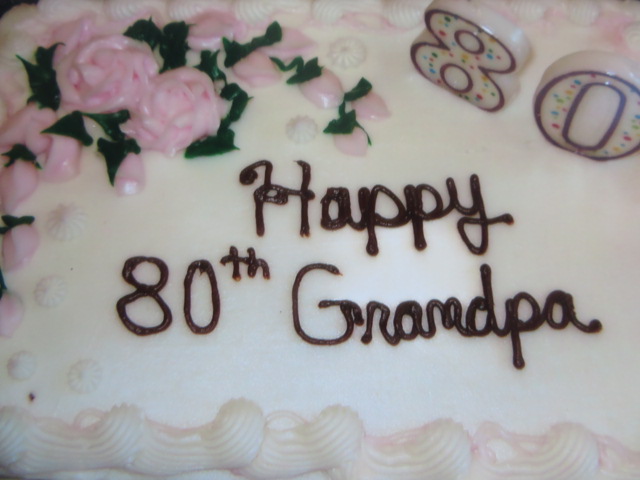
Do you think being 80 years old is, well, old? I didn’t think it was THAT old when my dad turned 80. Maybe because he projected joy and warmth whenever he was around. He was just so thankful for everything. He enjoyed simple things, like watching UCONN basketball, especially the women’s games, Sunday dinners with family, making up silly jokes, and playing with the grandkids. He also had a passion for making videos, and would walk around with his gigantic video camera at all family gatherings (and with Italian families, trust me, there were lots of them). And he was funny…..really funny. He had a wonderful life before dying of esophageal cancer at the age of 85.

He never went to the doctor in his life…..until he fell, broke his hip and had to. This is also the time they discovered the cancer in his bones. The doctors told him he actually probably fell because his hip broke merely from walking, which apparently happens often with the elderly who have weakened bones. They think they broke a bone due to the fall, but it is the other way around. Anyway, he ended up doing really well with the cancer treatments and had a few more good years…..until he was diagnosed with cancer of the esophagus. That he just could not fight for long.

For a long time my mom blamed the microwave popcorn. She believed something was in the wrapping that causes cancer. He had a bag almost every night. She would mumble out loud to herself “you had to eat popcorn? Why did you have to eat that popcorn?!” It turns out that certain chemicals used earlier in packaging actually may be linked to some cancers, however companies stopped using these years ago (so your popcorn package now does not contain it). Check out this short article on Microwave Popcorn and Cancer (the first rabbit hole I went down).

Even so, it is not likely that popcorn was the cause of my dad’s death. My mom also told us he smoked cigarettes starting when he was ten years old. Whether he did or not, they BOTH smoked for many years until they finally quit in their 50’s I believe. (Now she likes to complain out loud, “You had to smoke at ten years old?!!” She often says this ten times a day due to her dementia but that is another story). I am guessing it was a combination of lifestyle, genetics and just plain old age that played a role. But I do wonder, if my dad had gone for regular checkups, would they have detected the cancer earlier, and been able to treat it so that if maybe would have never spread? Maybe his last years would have been a lot more joyful.

As I get older and I see health issues among elderly people I know and love, I can’t help but reflect on myself, and question if I am doing everything I can to live the longest and healthiest life possible. Of course, having worked in a health field for so many years, I am well aware of the basics of living a healthy life. Unfortunately, knowing what we need to do does not mean we are going to do it! Plus, if you know me at all, you know I am a firm believer in enjoying life to the fullest, which does not mean eating the perfect diet or having the ideal exercise regime. Attempting to accomplish that feels way too stressful to me, and the way I look at it, too much stress surely does not lengthen your life, or contribute to health, quite the opposite.

But where is the balance? How do we do both, enjoy life but also live a healthy one?

I wish I had the perfect answer. I am still searching for it myself. I believe it is a personal and individual choice, probably based on our unique experiences in life. For example, losing someone who smoked two packs of cigarettes a day to lung cancer or heart disease may motivate you to never smoke, or to quit. If heart disease runs in your family, you may be more likely to stay aware of your cholesterol and blood pressure, etc. Maybe osteoporosis runs in your family (my issue). Does that mean you should force yourself to drink 4 glasses of milk every day so you don’t get osteoporosis (which is still no guarantee)? The answer to that one is probably no, not for someone like me who is not a big fan of milk. Even though I recently found out I have osteopenia (bone loss but not osteoporosis yet, which is what my mom has) I am struggling with how to address it. Medications have side affects, I don’t like milk, calcium supplements make me nauseous. Thankfully, I have figured out how to remember my vitamin D (I keep it with my toothbrush, finally I have made it into a habit). I am good with yogurt every day, even some ice cream but the dietitian in me knows that is not nearly enough. I just bought some gummy calcium chews which I am able to tolerate a half at a time. Let’s see how this goes.

Anyway, the point is, knowing your family genetics is one place to start. At least it gives us something to think about. Besides that, I think there are 2 questions to ask:

  1. what kinds of things can we control that can contribute to a healthier life, and
  2. what changes can I make that are doable, without contributing a great amount of stress to my life so that I feel I am still enjoying life yet moving in the right direction?

There are so many factors that may contribute to health and longevity that we do have a say in, unlike genetics, which we can’t control. It is often not easy, however, to control other factors, such as environment and lifestyle. You can’t always up and move just because there is lots of pollution where you live, and you can’t just quit a job immediately because it is stressing you out. We know being active and sleeping well are important, as well as having healthy relationships. But let’s stick to food and diet.

As it turns out, in the process of researching diet and longevity, a few themes pop up. The most predominant “diet”, or eating style studied (and recommended) is the Mediterranean Diet. The other theme that I found was a calorie restrictive diet, however this was newer, not as researched and mixed findings. I also have a strong opinion about any eating style that is overly restrictive because the risk for damage, both physically and psychologically is just too risky. Yes, I went down this rabbit hole also, and read a lot of articles, and maybe will do another post on this since I am guessing it is going to get more mainstream eventually (intermittent fast already is, and I hope to do a post on this in the future). But lets focus on the Mediterranean Diet since this is the most researched and most proven diet for health. This eating style has been around for awhile, and this recent review (Nutrients,2021) spells out the history, multiple studies and conclusions over the years scientists and researchers have discovered regarding “MedDiet” as it is referred to.

According to the article sited above:

“MedDiet comprises dietary choices but also lifestyle, as well as historical knowledge,
traditions, abilities, and practices, which have been passed down through the generations,
extending from the countryside and food production to the ways of cooking, which provide a feeling of belonging and permanency to the community. Mediterranean traditional
cuisines are rich in aromas, colors, and memories, highlighting the taste and the synchronization with nature, and emphasizing the significance of preparing and consuming foods
jointly with family and friends. The traditional MedDiet was shaped by the environment,
the flora, as well as by hardship. The production of food at the time of first MedDiet
description by Ancel Keys was not industrial and involved a conspicuous physical effort,
which is crucial in the context of the multiple benefits derived from combining dietary with

lifestyle factors”

The article makes a point of explaining that it is not just the actual food that is important, but the feeling of belonging, enjoying food with family and friends (being social and connected to others) as well as pure enjoyment of the aromas, colors (think fruits and veggies) and the memories created with meals together. The other point is the “conspicuous phyiscal effort” preparing meals requires which clearly contributes to health and well-being. I wonder if trekking to the grocery store and lugging multiple bags of heavy groceries and then having to put them all away counts toward physical effort? Sometimes, I feel like it certainly does! And THEN, you still have to find a recipe, chop, cook and clean it all up! That takes lots of energy!

You probably know lots of the basics already. Here is the chart published in the article:
Table 1. Traditional MedDiet and Lifestyle Features
• Daily consumption of various fresh vegetables and fruit; nuts, seeds.
• Grain products (bread, pasta, rice), mostly whole.
• Consumption of legumes several times per week.
• Cold pressed extra virgin olive oil for cooking and for seasoning as the main source of fat.
• Herbs and spices, adding flavor to dishes.
• Fresh fruit daily as dessert; infrequent consumption of sweets, cakes, and dairy desserts.
• Fish and seafood (2 to 3 times weekly).
• Daily consumption of dairy, in particular yogurt (small portions of cheese less frequently).
• Eggs, source of high-quality proteins, 2 to 4 times weekly.
• Infrequent consumption of red/processed meat, in small portions (1 to 2 times per month) *.
• Water as the main beverage.
• Drinking moderate amounts of wine always with meals (for women: ≤1 drink/day; for men: 1 to 2 drinks/day) **.
• Preferring fresh, locally produced foods, which have been minimally processed.
• Connection and respect with nature.
• Flavorsome cooking.
• Moderate portion sizes.
• Moderate physical active every day.
• Preparing and consuming meals in the company of other people.
• Have an appropriate rest (enough time and quality of night-sleep and eventually sleeping for a short period of time during the day if necessary [siesta]).

*preferably as a part of stews and other recipes. ** respecting former habits and beliefs.

One of the reasons this diet appears to promote health, according to scientists, is due to it’s affect on the processes of “inflammation”. That is a buzzword these days. You may also have heard of the word “antioxidant”, and know that it is something in fruits and veggies that is healthy. “Oxidative stress” is what contributes to “Inflammation” which contributes to disease, so if we want to decrease oxidative stress we need to consume more antioxidants.

Antioxidant sounds like one thing in food, right? It actually encompasses many “bioactive components” in foods that act to decrease oxidation and inflammation. You may have heard the terms “phytochemicals” and “flavonoids”, or “resveratrol”. In fact, there are so many antioxidants, I thought it would be an eye-opener to include this chart from the article mentioned above. As you can see, it is complicated!

You might wonder if taking an antioxidant supplement would be easier than eating more fruits and vegetables. You should talk to your doctor before taking any supplements. According to this review from the National Institute of Health Antioxidants: In Depth the answer is that supplements may not be the best thing to do. But do talk to your doctor before taking anything.

The other rabbit hole I went down was reading about the DII or dietary inflammatory index. The DII categorizes foods according to ability to contribute to inflammation. It takes into account many factors too complicated to go into here, and has been modified over the years. It is used mainly in research, but the bottom line is fruits and vegetables still come out on top. (I can’t believe after all the hours I spent reading about the DII, I ended up writing only 4 lines).

I also spent hours looking for some magical perfect list of high antioxidant foods. Although I liked this article the best from Medical News Today on Top Antioxidant Food because it was a short list, the reality is that any fruit or vegetable that you are actually going to consume is what counts. Yes, artichokes, beets and spinach are great, but if they make you gag, well, that won’t work. As I said in the beginning, whatever you decide to do to be healthier has to be doable.

There are so many changes you may be thinking you should be making. It can feel overwhelming. Only YOU can decide what you want to do, or even if you want to change anything in your life. You may have been told by your doctor to decrease saturated fat in your diet. Maybe you need to quit smoking or be more active because of health issues. Maybe stress is getting to you and you don’t know how to change it. From what I learned just from my rabbit hole reading these past few months is that merely focusing on adding in some antioxidants to your diet can truly help improve your health and the functioning of the protective mechanisms in your body despite everything else. Yes, you really shouldn’t stop working on quitting smoking. But in the meantime, maybe one doable thing is adding some grapes to your lunch. Some ideas to get your started:

  • Make a list of every fruit and vegetable you actually like and can afford and find in your supermarket. Then, add to your grocery list.
  • Reflect on your eating habits: do you eat 3 meals a day? do you skip meals and snack? Being consistent with eating regular meals and snacks makes it easier to make a habit out of eating fruits and vegetables (it is easier to add a fruit to your lunch for school or work if you actually eat lunch).
  • If you are a grazer or someone who snacks often, remove foods like crackers, chips, cookies, etc. from counter tops and refrigerators and store them in a cabinet or closet. Instead, leave your fruit or nuts on the counter. That way, if you are mindlessly looking for something to munch on, it will be easier to grab the snacks with antioxidants.
  • If you like raw veggies like carrot and cucumber sticks but don’t want to take time to prepare them, consider chopping up a batch on a weekend when you may have more time and keeping in a Tupperware or container in your fridge. That way, they are ready whenever you want. Using a little dressing for a dip makes it even yummier.
  • You eat what is available. Bring extra fruit to leave at work (if you don’t have a fridge consider long lasting fruits like apples or dried fruits). Or some dark chocolate, which never gets old!
  • Buying salad fixings and eating them are two different things. I have found if I wash my giant head of kale (or romaine or whatever) when I get home from the Farmer’s Market or grocery store right away, it makes it easier to just grab and eat with a meal. I wash then dry it so it doesn’t wilt (never had a salad spinner, so when I finally got one, don’t know how I lived without it), and tear it apart then store in a large container. Sometimes I take the time to add diced red onion, leftover celery, carrots, etc. which makes it even better.
  • If you find you don’t use your fresh veggies fast enough so they get thrown out (I hate when that happens), try frozen ones. The bags of frozen veggies are great because you can just make what you need.
  • Add extra veggies to soups and stews. Even if it is canned soup, you can always throw in some frozen green beans or carrots, corn, etc.
  • Try new fruits and vegetables whenever you get the chance. Remember, your tastes may have changed over the year, plus, it takes many tries (at least 20 or more) before you really know if you like something. You might also try different ways to prepare vegetables. I am not a fan of steamed carrots but roasted carrots are my favorites. I use parchment paper and spray olive oil to make it easy then season with a bit of garlic salt or whatever. You can pretty much roast any vegetable at 400-450 degrees for 10 minutes or longer (depending how you like it) and this always makes them sweeter and yummier. And they are great as leftovers!

So there you have it. I feel relieved to get out of those rabbit holes I went down. I clearly have an issue of feeling like it is not enough information, and that I should cover every base. It is a lesson for me. And I hope it is a lesson for you.

Sometimes, when we try to do too much, when we try to do it all……we end up doing nothing. So, with this new year, I hope you don’t fall into that trap. I hope you bite off just what you can chew…..and know that even doing something as little as adding an apple to your lunch is a step in the right direction. Yes, Live for Today……but eating your fruits and veggies might be one thing you can actually do to decrease your chances of paying tomorrow ; )

Happy New Year!!!

A Different Approach to New Year’s Resolutions

Here we go again…..just one day left until you start, right? Whatever thing you are doing that you don’t like about yourself (or whatever thing you think you should be doing to make yourself better), this is the time to commit to change. Overnight, from the time you go to sleep on December 31st to the minute you wake up on January 1st, your life will be different. Because you made a “New Year’s Resolution” it will be so. If only it could be that easy, that simple.

I don’t mean to be negative, and I think it is great to think positively because the way you think definitely affects your actions, and what you choose to do in the moment. If you think you can’t then you won’t even try, whereas when you think you can you are more likely to be successful. Unfortunately, it is not that easy, not that simple and you know that because you probably have done it before. As I am sure I posted in the past when talking about resolutions, motivation to change something typically revolves around not liking the way you look or the way you feel. And to be clear, the way you “feel” has as much to do with what you do physically (what you eat, drink, how much you move, sleep, etc) as well as how you feel emotionally about where you are in your life (your relationships, job, lifestyle, stress level etc). Thinking about changing things is a great thing.

But if you think you are going to change without doing the research work first, chances are you might repeat your typical cycle. In my work and in my life I have noticed that people (including myself) repeat patterns. People repeat patterns of choosing the same type of relationship, even if it is toxic, over and over. They may resolve to stop working 80 hours a week yet choose a new job where that is exactly what they have to do. Since I am not a relationship or career expert I won’t say much about this. It is just a reminder that it is not just unhealthy eating and yo yo dieting that are hard ruts to get out of.

One of the most common and typical New Year’s Resolution cycles, however, involves behaviors around eating and exercise. People resolve to “stop eating junk food” or “exercise every day” or “lose 10 pounds”, etc. I will contribute my 2 cents on this because I may have some insight that may help you look at things a bit differently, and that may help you accomplish your goals, whatever they may be. First, ask yourself a few questions:

  1. If you have made a resolution to diet in the past (in order to lose weight), did you lose the weight you wanted but then gained it back?
  2. If you have ever made a resolution to exercise more, were you able to maintain what you originally planned on doing for the entire year?
  3. If you have resolved to drink less alcohol (or soda, or coffee) in the past, were you able to maintain your goal?
  4. If you committed to decreasing eating fast food last year, where are you at as we speak?
  5. If your goal was to cook healthier meals, how many healthy meals did you cook this week so far?

There are some individuals who are able to make a goal and stick to it, but most of us struggle. For most of us our behaviors and what we end up eating and drinking, as well as how much we exercise are very complicated ordeals. That is because we human beings are quite complicated creatures. We do what we do for many reasons, stemming back from our memories, interactions, experiences, knowledge, our genetics and most importantly, what we have practiced. What makes it even more complicated is that our brain stores everything, remembers everything (even if you don’t) and each part of the brain communicates with the other parts. What is stored in our complicated brains, and what it communicates to our conscious thinking affects our behavior. Our behavior then eventually creates pathways that our brain ends up remembering. So much so that we don’t even have to think, we just act.

Have you ever driven home from work and wondered how you got there? You don’t remember taking your exit, you don’t remember sitting at the light, you just have arrived. That is because you repeated that behavior so many times, your brain does its own thing and gets you home. It is automatic. Well, the same thing happens with eating and drinking. I remember years ago I would pass a Dunkin Donuts on my way to work every day. I used to love their hazelnut coffee and I would go through the drive-thru and get one. I did this almost every day, even though I never drank the entire coffee, it just became so satisfying to get it. Eventually, I could not drive by that darn Dunkin Donuts without pulling in! Then one day I decided to start tracking my expenses for a month. I just could not understand where my money was going. Long story short, it turned out I was spending a good 40 dollars a month (translate to almost 500 a year) on coffee that I was not even finishing! I started to bring my own. It was hard! My brain was already mapped out to go that way, not drive by…it felt wierd! And I wasn’t happy. As it turns out, eating and drinking actually increases our happy chemicals in our brains (dopamine), so much so that we just want (and need) to repeat the very behavior that makes us happy (but typically has a negative consequence, for me, draining my budget).

It gets even more complicated. We know with alcohol, for example,our brains eventually change over time to actually need to drink. At first, having that cocktail or glass of wine after work just may relax you. But, if repeated over time, the brain starts to make you crave/need that alcohol at that certain time because your own “happy” chemicals are not enough. Your habit has begun, and it is not easy to change. We do know that when you pair drinking (or eating) with a specific environment or activity, that environment or activity will eventually become a “trigger”or a cue to eat (or drink). You become a robot. A robot eating or drinking just because you have repeated the behavior in the same place at the same time.

To complicate matters further, enter your emotions into play. Do you eat when you are stressed? Bored? Upset? Angry? Tired? If you repeatedly use eating or drinking to numb feelings (or just to feel better, since both of these things do increase your happy chemicals), chances are over time these feelings become the trigger. It feels almost automatic, that you just can’t stop. But, happy as ice cream or a glass of wine seems to make you, now your feelings ON TOP OF your environment become just one more trigger. It is much more complicated than this of course. But you get the message.

Oh wait, there is more. It is called homeostatic hunger. That is when your very own body knows it needs to eat or drink something. Dehydrated? You get thirsty. On a low carb diet? You crave sweets. Didn’t eat enough at lunch time? You need a snack. Yes, “listen to your body” as I always say…..but, when you add in the habits and repetitive messaging to the brain, the automatic responses you taught yourself and practiced to perfection, well, it is not so easy to just listen, is it?

The bottom line is, in order to make the healthy changes you want to make, you need to understand and accept the following:

  1. Your behaviors may have become “automatic” because the brain pathways you created through repeated practice remain, even when you truly want to change.
  2. You usually can change your brain to allow you to do what you really want to do (healthier habits) through the same repetitive practice that got you where you are. Only this time you will be consciously practicing the healthier behavior. It won’t feel right at first (driving by the Dunkin Donuts instead of pulling in) but it gets easier over time.
  3. It takes time and reflection to truly figure out your triggers. If you skip this step I might predict next year at this time you will be in the same place.
  4. It is helpful to think of “adding in” a healthy behavior verses “eliminating” an unhealthy behavior. For example, to just expect yourself to totally stop drinking 2 glasses of soda with your lunch is hard. Adding in 2 glasses of lemon water in place of the soda helps.

Let’s take an example of what this may look like in your real life. I have heard countless people complain about not being able to control themselves when it comes to sweets. They can’t have cookies in the house because they will eat them all. They can’t stop. What is going on here? Are some people simply “addicted” to sweets? As it turns out, researchers have been looking into the concept of “food addiction” for many years, and although the topic remains somewhat controversial, there is evidence that high fat and high sugar foods (such as cookies) involve “brain-reward” changes. In other words, they make us feel good, and can be just as rewarding to our brains as a glass of wine. The reality though, is that although most of us feel happy from eating a sweet dessert, not everyone feels compelled to eat the whole thing. (Food addiction is such and interesting topic, I hope to write on that topic next time).

This is where your “research” comes in. Remember, everything you did in the past regarding food and eating has been stored in your brain. The automatic pathways are there. So, if you were rewarded with sweets when you were a kid, that is there. Or, if you had a parent who restricted sweets (and you consequently had to sneak that cookie), that memory is still there. If you had a parent who cared about body size and dieted all the time, that message is also there. If YOU dieted in the past, lost and regained weight, put yourself in “diet jail” (eat this, don’t eat that) for any length of time, well that is stored in there too. And, if you have used food or have binged on food in the past (when you have gone off your diet on a Friday only to resume it on Monday, the typical dieter’s pattern) you can be sure that pattern is stored in there too. If you take the time to reflect on all you have been through when it comes to food and eating as well as exercise you will have a greater appreciation of why it isn’t so simple.

Once you do your reflecting on where you are, hopefully you can start to identify your “triggers”. It takes time for your brain to adapt to a new way of behaving, so in the meantime, it is important to adapt your environment to set yourself up for success. If you have a goal of cooking healthier meals instead of eating out, your fridge needs to have the food you need to actually cook! That means making a menu, a grocery list and planning when you are going to go shopping. If at this time you realize you can’t have just one (cookie, chip, ice cream, whatever) figuring out a way to “practice” may be helpful. For example, buy a small package of cookies or an individual bag of chips to have with a meal or as a snack. Pay attention to every bite and truly try to enjoy it. Notice the thoughts that pop up in your head. Are they negative, judgemental? Catch these thoughts and change them, even if you don’t believe it (fake it till you make it). “It is healthy and normal to have a serving of chips, it won’t affect me, this is OK “.

Sometimes, keeping a record is helpful. For example, if you think you might eat or drink because of emotional reasons, you may want to document what is going on, even for just a week. You can write down what you are feeling and thinking, what time you are eating, what and about how much you are eating, how hungry (or not hungry) you are, how full you feel, where you are, who is with you, etc. When you look back on this record you may learn something about yourself. Once you identify patterns, you might be able to name some of your “triggers”. Do you notice yourself eating when you are not hungry after an argument with your boss? Or maybe you notice you tend to get too full at dinner, but that you don’t eat much during the day. The trigger in this case is just allowing yourself to get overly hungry! Only when you identify these triggers can you come up with some strategies to move in a healthier direction.

So, when you start the New Year wanting to incorporate some healthier eating behaviors, you will surely encounter some challenging situations. When you do, how can you respond and be successful? Remember, the natural thing is to resort to old ways of behaving because those pathways are already there and automatic. Being aware of them is the first step. Accepting the fact that change is complicated is important. Respecting the complexity of how our lifestyle evolved to be what it is, well that is critical. Remember the saying “practice makes perfect”? That is because each time you do something differently, and repeat it, over and over, your brain follows. Eventually, you make brand new pathways that become automatic. Before you know it, it is easier and easier to have just 3 cookies instead of the entire plate. Over time, going out for a walk after work instead of plopping on the couch feels more natural (and eventually you will crave that walk instead of the couch). Or, for those who struggle with restricting or over exercising, starting to eat regular meals at first is not easy, but over time and with practice, it becomes more automatic. Limiting exercise also starts to feel more normal (note:always follow the advice of your doctor, therapist and dietitian as they know your specific situation and will safely guide you).

Finally, I totally understand there is so much more to say about healthy eating, exercise and lifestyle. Exploring the concept of “triggers” as well as developing strategies for dealing with them can be a whole new post. And, there are countless resources on strategies to eat healthy, nutrition, cooking, etc. which we have not even touched upon. Educating yourself is important, as long as you avoid the “perfect eating” trap. Be sure to stick to evidenced-based resources such as:

https://www.eatright.org/healthhttps://

www.usdairy.com/about-us/national-dairy-councilhttps://

www.myplate.gov/eat-healthy/what-is-myplate

But all the knowledge in the world can’t undo what your brain knows all too well. How to make you do what you do. Only you can do that. Through reflection and honesty and practice. It takes lots of work. Picking the “right diet” is not the answer. It is not that simple.

And remember, if for some reason you truly run into trouble, or can’t change a habit that is harming your health (physically or psychologically), get help. You deserve it.

Here’s to a happier, healthier new year!!!! Wishing you peace and love, especially within yourself.

Have You Opened Your Present Today?

I happen to be blessed with a sister-in-law who has become one of my best friends. Whenever I am stressing about something or worried about something, especially family-related, I just text her and she calls me. I end up talking in circles but she gets it. With so much going on this year on all fronts I can’t believe she has not blocked my number as I have bugged her a lot! Anyway, on a recent phone call (well, a few weeks ago, but everything feels like yesterday when you are retired) I was venting about the election and worried about the future, about things I just could not control. I also was reflecting on long ago, decisions made, wondering if I made the right ones. I was in a tizzy!

As per her usual simple yet brilliant Chellie-style, she shared something her mom (or her grandmother, ugh, this memory of mine) once shared, that she thought might help me chill out. This is what she said:

Yesterday is History.

Tomorrow is a mystery.

Today is a gift, that’s why they call it the present.

Yes, it is simple, yes you have probably heard it before (Eleanor Roosevelt said it first I believe), but have you ever stopped, really stopped to think about what it means? After I hung up with my sister-in-law, as usual, I felt more focused and happier. I knew I had to write something about it, as finally, after months of brain chaos, I thought this might be important to remind people of. We need to stop wasting our days with worry and regret. It hasn’t helped.

So I started to open my eyes. I purposely tried to tune in to my surroundings and look for things wonderful. Funny, I started to notice this gorgeous butterfly that seems to always be fluttering around my pot of zinnias in the morning. OK, maybe it is not the same one every time, but still, a daily dose of butterfly? What can be better than that? I have found myself standing in the sunshine, waiting, watching, just to see what it does. I feel like I am in heaven when I see it! Once it literally made circles around me (of course it made me think of my dad in heaven…who knows…). {UPDATE: yesterday afternoon while zooming with my three children from up north, I went out to show them a few things and low and behold, there was my yellow striped butterfly. Not only did he sit on a few flowers for long enough for them to see him, he also flew circles around my IPad while I was holding it!!}

During the late morning when I get out on my walk, instead of stressing about things I have no influence on, I started to just look around. I noticed the sky especially, which is always crazy down here in Florida…..it can be sunny one minute but the next thing you know the sky starts to downpour from just one random gray cloud…..and then, just as fast as it comes, it is gone. But, the puddles are there…and I now make sure my sandals are off and I purposely go out and stomp in them. It brings back memories of being 8 years old because that is what gave me joy back then (that and catching frogs and toads and floating down a stinky creek in a blue plastic boat). I also have started to truly cherish having a body healthy enough to be able to jump on my bike and ride. I soak in the smells of the warm air and the sight of the long straight bike trail ahead of me. I still keep my eyes out for those black snakes that like to cross the bike path that I try not to make a speed bump and so far have succeeded.

And recently, when I take a shower after a long hot day, I don’t just rush through it….I have stopped and imagined, just for a minute, what this simple shower would feel like if I were a woman my age who happened to be a refuge in Syria. After crossing the dusty, hot, dirty desert on my own, feeling exhausted, thirsty, hungry and yucky……how amazingly wonderful would it feel if I finally was able to take a long warm shower in a bathroom as beautiful as mine? Suddenly, I don’t care about the discolored grout in the corner anymore. The warm clean water feels like a gift I typically forget to be thankful for.

I think most of us take for granted luxuries like hot showers, good water to drink, warm blankets, and safe beds to sleep in. Maybe we need to paint a room that looks shabby to us, or maybe we want to redecorate, or maybe we can no longer afford the big house or nice condo we have and need to downsize. But, the reality is in our country most of us are truly blessed to have what we need to survive and be happy. We just sometimes tend to look at and focus on what we don’t have, what we want verses what we need. We don’t think we can be truly happy “now” so we look to the future (which we can’t predict and can’t control) to try to figure out how and when to be happy. When right in front of us, it is all right there.

We also have regrets. We think back to all the mistakes we have made. We wonder, how would it be if we did things differently? We wonder how many people we may have hurt or done wrong. Even though we can’t go back and change it, stressing about it, feeling guilty or sad or bad takes away our present.

Recently, in some of my readings, I came across a concept called “Ho’oponopono”. It is a way of seeing the world, originating in Hawaii, based on the concept of living in the present and letting go of the past that you keep worrying about. The technique was created by Morrnah Simeona and disseminated by Dr. Hew Len. The basic premise is in addressing “the divine within you”, whatever that may mean to you….the words, or mantra they recommend is saying to yourself, out loud or silently, whenever you find yourself stressing is:

I am sorry, forgive me, I love you, I am grateful.

Apparently, we miss lots of wonderful, beautiful, happy moments every single day because we deep down have had bad experiences that we hold on to. Because this is a blog about nutrition and eating and acceptance of imperfection in our eating, I have reflected on what this may mean to those with eating issues, whether it be those wanting to lose weight, those sick of dieting, or those who have suffered with eating disorders. I know for a fact that lots of people, especially women, regret what they ate yesterday, stress about what they are going to eat tomorrow and worry about dealing with the holidays that are going to be happening for the next few months. I know that those who already feel they have “blown it” or failed in whatever way they judge themselves are not recognizing their ” present”.

So I just want to remind everyone that tomorrow is not here yet. Yesterday is gone. The only thing you have is today. Your present. How much energy you waste on yesterday and tomorrow is wasted energy. All you have is today. I challenge you to look around and find your present. Even if you have to step outside and look at the sky, I promise, there will be beauty there. Do you have a very cool smart relative, sister, friend that you can call and vent to like I do? What a gift!!!! You deserve it! Call them!

Or maybe you are someone struggling with eating issues, maybe you have turned to old behaviors that you know are not supportive of the best you. That was yesterday, today is a new day! We ALL have things we wish we could change overnight, but that is not how true growth happens. It is only when we pay attention to what we are not happy with and then forgive ourselves for our imperfections, and return to love…..not only for others, but for ouselves. We deserve it.

So, as the holiday season is at our doorstep, a time we should enoy but find ourselves struggling, for good reason……please never forget to open your present every day. It is there.

You just have to notice it. You have to find it.

It’s Five O’Clock SOMEWHERE….But Not Everyone is Drinking

Image may contain: people sitting, table and indoor
Almost 5 O’clock in Cinque Terre, Italy


Do Ground Round restaurants still exist? I remember back in the 70’s The Ground Round was my favorite place for happy hour. They served free popcorn and good cheap wine (well, back then what I considered good, what did I know?). I was so excited when a Friday rolled around and I could meet my friends or my sister there for a nice glass of Beringer’s white Zinfandel. Yes, the pink stuff. I loved it. It wasn’t every Friday, mostly when I came home from college (the drinking age was 18 back then, and you could smoke cigarettes in restaurants). Life was good. Simple and good. But different.

For example, when it came to drinking and alcohol there was no such thing as “binge drinking”. I only knew one girl who could drink more than 2 or 3 beers. She was in my dorm back then, a small tiny girl who could pack away 8 beers. Eventually it would affect her and she would be embarrassingly drunk, but it took awhile for that to happen. We all thought she was funny, crazy in a good way, wild and different, and although we didn’t know what to make of her, I remember being fascinated that she could drink all that and still walk. Back then it was kind of cool.

These days, things have changed. Binge drinking has become more of the norm on college campuses. If someone drinks 8 beers in a short amount of time at a party, I am not sure if anyone would even blink. They are all usually doing the same thing. Despite the fact that the drinking age has changed and smoking cigarettes is no longer cool, drinking alcohol somehow has permeated most people’s lives in a very sneaky way. It is not like in Europe where wine may be a part of most meals because that is what they do and have always done as part of their culture. Here in the US it feels more like a gradual brain-washing over time, probably by the alcohol industry to make drinking intertwined with almost all aspects of life that are fun. Add to that the fact that alcohol is an addictive substance that gradually changes the brain to make you crave and need it, then, bingo, you can make yourself some good money if you are in the business.

And, it is not only young, college-aged people who get sucked in. Young mothers are another target particularly for the wine industry. Who hasn’t heard of “wine-o-clock” or “mommy’s juice”? I totally could identify with this crowd. Having young kids is stressful and crazy at times, and a big glass of chardonnay certainly feels good at the end of the day when that last kid is tucked in bed. A reward. Is this how it starts? And then there are the funny wine-themed cards, the wine-themed dish towels, coasters, napkins, pillows……I have bought them and I own them because I buy them and people buy them for me because they know I love wine!  Anyway, personally, being Italian, wine might be a part of my culture, but I really didn’t see it that much growing up. My mom never drank and my dad might have an occasional tiny glass of red chianti with a Sunday pasta dinner (you know, that kind that comes in the straw-wrapped bottle?). Eventually, he would get the gallon size bottle of some cheap wine I can’t remember the name of, and it would last for weeks in the fridge.

When I traveled to Italy, however, I got a taste of how they drink wine over there. It is served in a glass pitcher at lunches and dinners. It is almost always homemade, pretty inexpensive and delicious, always served with lots of good food. They don’t drink it to get a buzz. It goes with food. In fact, if you just pop into any random restaurant or bar for just a glass of wine, they bring you food. Peanuts, a platter of cheese and bread, chips. They don’t just drink, you need to eat when you drink wine.

Here, in the US, wine plays a much different role. We women like to meet each other for wine happy hours. We love doing wine taste-tastings, especially at all of the wineries that have opened. They are absolutely wonderful, with their beautiful tasting rooms, gardens and views, gorgeous spaces to sit and eat food and drink. It all adds to an amazing experience that makes you feel very spoiled and special….especially after you buy a bottle of their very expensive wine, and then buy more after getting a little tipsy with that first bottle (why not? you deserve it!). And so it goes…. But women aren’t the only ones with money, I mean, not the only ones who deserve to treat themselves. Enter breweries. Don’t get me wrong, even though I am not a beer drinker, I just love the coziness of those places, I love the fact that you can taste-test something before buying it. I know lots of women who love their beer (and don’t like wine) and a brewery might be a fun place for them. But mostly, when I think of beer, I think of men (and sports). Budweiser and Super Bowl. It just goes together. Did you ever watch a football game and NOT drink?

Where am I going with this? I just wanted to share a personal story of a journey I started after seeing an ad about wine. At first, I impulsively clicked on it because I thought it was going to be something funny. You know, a “wine-o-clock somewhere” story. But it wasn’t, I was tricked, or so I thought. But I got sucked into reading the article anyway.  It was not what I thought, it was about how “wine-o-clock” has gotten a hold of mostly women and how it gradually can take over and become a not-so-healthy habit at the very least and at worse, a true addiction. I totally connected with every word. Yes, yes, yes, when 5 o’clock rolls around and it is time to cook dinner, if there is an open bottle of wine, I am having a glass. If it is a Tuesay and I walk by the neighbors building I also will go tell my husband and join them (since moving to Florida and with Covid, everyone tends to sit outside at happy hour to drink before dinner, safely socially-distanced but still within earshot). Then there is “real” happy hour on a Friday and Saturday (hey, it’s the weekend, right?) and then of course my personal favorite, “Sunday Cookin” which of course means wine for me, wine in the sauce, wine for me….and wine for me. Yes, I totally related to the article and gave my email for more information. I was curious.

Well, I kept getting these emails daily, most of which I would skim through and delete. There were bits and pieces of some truly interesting things that eventually got me hooked. I am a sucker for anything related to brain chemistry and brain function, to understanding biological reasons we humans do what we do, eat what we eat, drink what we drink. I always have been adamant that willpower is a stupid word because there is no person in the world who can fight biology (if you drink a gallon of water, can you use your willpower to avoid peeing for two days?). The same holds true for people who starve themselves then try to resist eating too much. It is not about willpower. Well, apparently, if you ever have decided you really shouldn’t drink so much (maybe you noticed you have gained weight or you just are sick of poor sleep or headaches in the morning) you will find it isn’t so easy. And it is not because you don’t have enough willpower. According to these emails, alcohol really changes your brain. I couldn’t resist. I finally clicked on that button “start your 21 day reset May 1st!”.

Right away, I was regretting it. I paid 96 dollars to try not to have wine for 21 days? Even my husband asked “if you want to not drink for 21 days to see how you feel, why don’t you just do it?” Because I couldn’t. I just couldn’t make up my mind to do it, and because I was just too darn curious as to what this was about. I knew I had fallen into a habit that I wanted to change (but not enough). I didn’t ever get drunk or drink an excessive amount, but at my age, even 2 glasses of wine can make you feel less than your best (especially if your wine glasses might be kind of large), especially if you are retired and want to do water aerobics every morning at 9 am and ride your bike in 90 degree weather for 20 miles…..it makes life harder when you are as old as me.

So I started the 21 day “reset” the day I signed up, a few days before the scheduled May 1st start day because, why not? Part of the program was joining a Marco Polo group (we had about 20 women in our group which eventually increased to 33 and ended up with about 14 of us regularly checking in). If you are not familiar with the Marco Polo app, it is basically a way to share a video of yourself talking or whatever, as long or short as you want with whoever you add to your group. I love the app and use it with my kids. Anyway, we all kind of introduced ourselves and shared why we were doing this. These women were from all over the country, from Colorado, Texas, Maryland, Wisconsin, California, Michigan. They were all ages, retired, single, with young children, with older children, with grandchildren. They were from all walks of life, doctors, teachers, nurses, physical therapists, homemakers, etc. They all had different reasons for wanting to take a 21 day break from drinking (mostly wine drinkers, all women). Some drank like me, just wine, not to get drunk but gradually, it had seeped into life mindlessly becoming a habit. Others found themselves escalating into using alcohol to numb something, often staying up very late to finish a bottle or two of wine. We all listened to each other’s stories without judgement. We all read the books and emails and learned about how alcohol gradually affects the brain and takes away our brains natural ability to feel happy and good. How alcohol over time creates a need for more alcohol to get the brain to feel good again. Eventually, our brains can’t do it on their own, and so, the craving begins. Not only that, but we eventually get conditioned by people, places and things. Just like with food, if we drink in the same place doing the same thing over and over again, repetitively for days on end, eventually, we don’t even think about it anymore. Think about the person who turns on the TV every day after a long day at work, feeling tired and stressed, grabs the bag of chips and sits on the couch and munches until the bag is gone. Eventually, just sitting on that couch triggers the need for chips. The same thing happens with drinking. If you pour yourself a glass of wine after work every day while you relax in front of the television, or while cooking, eventually, it just won’t feel right if you try to cook without that drink.

We also learned about drinking and our culture. Why is it wierd to order water or iced tea instead of a drink at a restaurant? Why do people wonder why you are not drinking? When did it become un-cool to just not want a drink? Why do people think you “must have a problem” just because you don’t want to drink? Let’s face it, drinking is the norm, not drinking is wierd to most of us who socialize mostly with drinkers. I never really thought about it until now.

Anyway, these were the kinds of things I already kind of knew but did not really think about. I did not realize the habitual grip drinking wine had on me until I stopped it. At first I truly felt what they call the “wine witch” at 5 pm. A somewhat strong urge to pour that glass of wine, even when there is no reason other than habit to have it. We learned that having something else to substitute is helpful, as is just paying attention to how you feel. I discovered Kombucha gingerade which is a fermented tea that is just yummy. Also, an alcohol-free wine (Ariel) that is ok, good to sip while cooking without getting the effect of feeling tipsy. Anyway, after a week or so I discovered that I started to absolutely love the feeling in the morning I had. I just felt different, better than before. I didn’t realize that even a little wine can stay in your system for hours, 12-24 or more, depending on how much you drink. I was loving this feeling and it helped motivate me to make it through those 21 days. When I finally was done, I was kind of excited about learning that once I got out of that automatic habit, once I became more aware that I NEEDED to be more aware, I felt freed. My brain has started to rewire itself, thank goodness, and now it is much easier to catch myself. Yes, I had wine after that 21 days, and it did not taste as good as I remembered. I also paid attention to how I felt when I had that first glass again. I paid attention to how I felt in the morning. And I decided I wanted to continue this so-called “journey” into “re-negotiating my relationship” with alcohol (wine). When was it good to have it, and when was it stupid to have it? I have decided that drinking wine, even a little, almost every day is not good for my body and detracts from feeling my best. I have also decided I will keep wine in my life because I truly enjoy it when I am mindful and when it is a conscious decision to have it, not just me being a robot because I have been mindlessly conditioned. I will enjoy happy hour with my friends which doesn’t happen often these days. I might have good red chianti when I get inspired to cook some amazing Italian food. But I am truly thankful for taking the time to take on this challenge. I believe it will make me healthier and happier in the long run. I believe it is consistent with my repetitive message of “listen to your body” that I am always preaching. I tuned my body out, but it was not my fault. You really gotta be careful with alcohol, it really can be sneaky. I didn’t realize how bad I felt until I felt so good again.

If you want to learn more, here is a useful link:

https://21day.sobersis.com/21daychallenge Sober Sis 21 Day Challenge

I just hope one day that we will stop judging people who struggle with giving up alcohol, even when they need to because of their health. It really is not their “fault”….they have been sucked in, their brain has been hijacked, and it takes a lot to learn how to change and get it back to normal. Having a non-judgemental and understanding support system really helps. Being non-judgemental of yourself really helps, too.

Finally, I hope that we will all someday realize the one person at the table who is NOT drinking with the crowd is probably the coolest of all.

Please Note: talk to your physician before making any changes to your drinking habits, especially if you are a heavy drinker as suddenly stopping alcohol can have severe health risks, including death.

Don’t Let Crappy Covid DeRail Your Move Toward Health

healthy lifeI woke up at 4:37 am today. After tossing and turning most of the night, I could not figure out if it was anxiety over the fact that I have to have a tooth extracted today at 10 am….or if it is excitement that I am actually getting to go out and do something different.  I can’t believe those words are coming out of my mouth, someone who going to the dentist is right up there with getting a flat tire, or jury duty, or sliding off the road in a snow storm. I am afraid of those things and I dislike them immensely. But here I am, so excited about getting out that even getting a tooth pulled sounds good. What is this crazy quarantining doing to me? What is it doing to everyone?

I am sure you have noticed, as I have, how people around you are reacting. I have read some interesting and enlightening posts on social media expressing our struggles perfectly. Two of my favorites included one from someone I know and one from a stranger. The first one, from someone I know expressed the true struggle this has been for her. She expressed the dissonance lots of us are feeling: we want to do what is right and be safe, yet we so desperately want to get back to normal life. We are torn. We are scared, but we also can’t stand it anymore. The second post was long but worth the read. It was a great reminder that no, we are not in the same boat. We are in very very different boats fighting the same enemy. Some boats are pretty easy and fun. No small kids at home, sudden extra time to hang out at a beautiful home with plenty of funds for good food and Amazon purchases. Much different than the young single parent at home with two special needs children, living paycheck to paycheck (that they aren’t even getting right now) just to pay the rent, living in a busy city with no back yard and no transportation, no family support, no money for enough food or Amazon purchases. Yes, both posts were great reminders that we all have different circumstances, and we all are taking this differently (even differently day to day, or minute to minute). So, as I write this post, please keep in mind that I can only share my own personal trip on my own unique boat which is probably very different than yours.

However different our “boats” are, I am guessing you also may be noticing a few “themes” coming to light as to how some people are dealing with this. I have been paying attention to the comments of others when it comes to how this is affecting their daily habits, their thinking and ultimately, their health. So I have a few thoughts that might be worth sharing.  I have noticed lots and lots of joking around food, eating and drinking. Oh and also some funny ones about being stuck at home with a significant other who may be driving you crazy, but since I am no expert on relationships, I am not commenting on that one! However, when it comes to using food and eating, or drinking/addictions, that I do know more about. And I know not everyone is laughing.

There are lots of people who “use” food to feel better in a very “normal” way. “Emotional eating” can fall on a spectrum in a certain way. It really isn’t a big deal to treat yourself with chocolate because it makes you happy. Or, if you had a rough day and your partner wants to take you out for a drink and luxurious meal (again, this may be chicken wings for some of us, lobster and escargot for others). The point is, the food and the eating are part of the treatment for feeling better. Think homemade chicken soup when you are sick. Lots of us can relate to that. When I stayed home from school if I was ill back in the day, my mom would crank open a can of that good ole Campbell’s Chicken Noodle Soup, the kind with the big fat overcooked noodles and maybe three bites of chicken in every can. It didn’t matter, it made me feel better. Today, I make real chicken soup, because I know how to cook (not that mom didn’t but with four kids, Campbells came in handy). Anyway, it still works. Food makes us feel better sometimes. And that is ok. Comfort food, I love it.

Binge eating is not ok. By binge eating, I do not mean the kind of eating people are joking about right now. The jokes tend to be about being “good” all day, following a diet and then turning to cookies, chips, ice cream, pizza all night long. Some people think that is funny. To the “typical dieter” who may diet during the day and lose it at night, this may just be a pattern of eating they have gotten used to. Maybe it doesn’t bother them, maybe they do want to lose weight but they have fallen into this pattern and it hasn’t started to interfere with their life yet emotionally (getting depressed, poor self-esteem, etc). Yes, people think turning to food during a crises is funny. I don’t. Maybe because I know way too many people who actually do get affected in a very big way when they turn to food to feel better. I worry about those people now because this is one of those times where we all need some coping skills. If you have not worked on it in the past or gotten professional help to develop some healthy skills, using food in this way may occur and only add to the stress, not relieve it. That is the problem. When I read one of the posts that was supposed to be funny (and I am sure some people without any disordered eating DID think it was funny), well, it struck me that after all that eating in just a few hours, all you end up with is a tummy ache. The difference is one person can happily go to bed with that tummy ache while another is devastated.

I have noticed there arn’t any jokes about the opposite end of the spectrum: not eating as a means to cope. I don’t think people have concerns about people who diet or starve themselves.  Maybe because our (messed up) culture sees restricting food as a “virtue”. I am worried about the people I have known with eating disorders who are going through this. If you are a typical eater, when you feel hungry you don’t like the feeling so you eat lunch, feel better and move on. For others, not eating and feeling empty numbs them. It is a very dangerous way to deal with things, and it is much more complicated than I can even explain or even understand. But it is very important that we don’t ignore children, spouses, relatives or friends who are now suddenly losing weight, skipping meals or not eating. It is extremely important for those who have already been diagnosed with an eating disorder to pay attention and stay connected to support systems.

I have also noticed lots of joking about drinking. Again, some of these are funny to those of us who have some control over how much we drink. I totally relate to the use of wine to connect with people during this time over virtual happy hours and outdoor “social distancing” happy hours, etc. But I also know people who have worked so hard to figure out how to stop drinking because they needed to. This is not an easy time for them. Epecially since lots of the coping skills involve social support systems where people connect in person, whether it be a meeting or church or whatever. Now what? I am guessing we are all learning much more than we ever knew about social meeting apps, Zoom, Facetime, etc to enable us to keep these good things going. At least we all need to be aware of those around us, and try to be supportive as much as possible to enable loved ones to continue on their positive path.

Finally, I have noticed some funny comments about being lazy. Here again, we are all different. One person may be climbing the walls, cleaning every cabinet, rearranging every room, walking miles a day, biking, painting walls, cleaning garages, knitting sweaters, building lego towers, painting portraits, and on and on. Another person my not get out of their pajamas all day. They may walk from the coffee pot to the couch. They may be using this time to catch up on all of their Netflix series. And then go to bed to do it all over again the next day. And sometimes, we can alternate between these two. And I think that is ok.

I wish I had some brilliant advice to help everyone get through this when it comes to eating healthy, being active in a balanced way and coming out of this better than before. The only thing I can think of is to remind yourself that you have never gone through anything like this before, so therefore however you are dealing with it, whatever is getting you through is ok……as long as it is not seriously interfering with your mental or physical health. If you are someone who has had issues with depression, eating disorders, or addictions and you find yourself slipping or struggling to cope, don’t ignore it. Go back to your resources, your support system, your therapist or doctor or whoever it is that helped you before.

If, on the other hand, you are one of the lucky ones who’s boat is pretty simple, then use this time to learn about yourself. If you really don’t have any serious issues with eating or drinking or maintaining a healthy lifestyle, but find yourself ignoring what you are eating, getting out of your routine, drinking a bit more than feels good, then maybe it will be helpful to take back some control. This whole thing has taken a lot from us. It has robbed us of our freedom and fun, family and for some it has taken lives we loved. Now that we have been doing this awhile, maybe it is time to look back at what used to work for us. Did we eat three good meals a day before? Maybe instead of snacking out of stress it is time to do some meal planning to help feel more in control. Maybe you used to go to the gym at lunch time at work, or maybe after work, but you can’t do that right now. Instead, why not take that same time and go for a walk, or do some stretches or dance to some music to let out your energy? Was bedtime 10 pm before because you had to get up for work, and now it is 1 am? And you don’t feel so great the next day? Try getting back to your regular sleep schedule. Maybe controlling the things you actually can control will help.

Or maybe not.

If you just feel like taking this time to do whatever you want, and you are feeling just as happy and just as energetic and just as healthy, that’s ok too. The point is, whatever floats YOUR boat is what is best.

Oh, and wish me luck on my exciting adventure today! I hope you get to do something different today, too. Something more fun than going to the dentist.


They Are What (and How) You Eat: How to Have a Positive Influence on Your Child’s Eating Habits

Image may contain: one or more people and babyI have never met a parent who does not want the best for their children. From day one, most parents have researched how to feed their new precious babies, and even if they feel prepared, it isn’t always easy. I have witnessed new moms who have persevered through initial breastfeeding struggles (having nursed three babies myself, I can tell you from experience it sure as heck is not fun in the beginning!). Some moms who choose to bottle feed instead also struggle. It’s not easy washing all those bottles right after having a baby, with little sleep, exhaustion, and all that goes with giving birth…yet, we get through it. Not to mention kids with digestive issues who struggle with reflux, constipation, you name it. Yes, feeding a newborn takes a lot of work, energy, and sometimes trial and error. But we never give up.

And then we start with foods. Baby cereal, pureed fruits and vegetables, Stage 1, Stage 2 and then finally on to table foods! We feel relieved when our child meets their goals for growth and weight gain, and happy when we see them joyfully eating a good variety of foods. Yes, getting through this stage is really important, and a giant first step towards a healthy child. Most of us tend to reflect on the types of foods we are preparing for our children. We read every label, we try to avoid foods with chemicals and sugar and food dyes because we just want our children to be healthy, right? The big mistake many parents make, though, is focusing way too much on the actual food itself and not enough on the crucial behaviors they are slowly instilling as habits around feeding. You can be feeding your children the healthiest foods you can find, but if you are neglecting to reflect on the big picture, it may not be enough. In fact, I dare say, feeding your child the perfect diet while neglecting the creation of lifelong healthy habits may be meaningless when it comes to supporting a healthy relationship with food.

I am not saying that what you feed your child does not matter, of course it does. That actually is one of the “habits” we might pass on to our children if we are not aware of what is happening. Babies and children, teenagers and we adults need a certain flow of specific nutrients on a regular basis to grow, function and feel our best. But I know you can get all the information on what your child needs hopefully from your pediatrician or a registered dietitian. Check out The Academy of Nutrition and Dietetics website or KidsHealth for evidenced-based information on feeding, nutrition and more.

So, instead of giving you the specifics of nutrition, I am going to give you some important tips that I not only learned from talking to and observing thousands of families, but also from the experts and research. It’s the stuff you typically don’t think of or pay attention to, but is so much more important than you think.  It is more about the “big picture”, the gigantic, complicated, intertwined factors that all influence your eating habits…..and ultimately your health (and your child’s health) in the end. The hard part is that it may involve some changes for YOU. Most parents are pretty stuck in their ways, and have fallen into their own eating habits and practices, some promoting health and some not so much. I never ever try to tell someone what to do (except “listen to your body”, the standing joke in our family). However, if there are some eating habits you have fallen into over your lifetime that you didn’t realize may be harmful to your child’s health in the future, now may be the time to reflect on those and make some changes. Also, some very typical beliefs and attitudes around feeding that have been around for decades and that we don’t tend to question but, rather repeat from generation to generation need to change (the old adage “clean you plate” for example goes totally against instilling intuitive eating). We just didn’t know then what we know now.

Ready for the challenge? Here are some scenarios that have the capacity to affect eating and health in a negative way. See if you recognize any of these in your own life:

  1. Eating in Front of a Screen. We all have done it.  You just can’t get away from them. Think smartphone, IPad, laptop, computer, TV, DVD, video games. Add in the likelihood that most of us just have way too much on our plate. We have deadlines to meet, laundry to do, grocery shopping, cleaning, sports to play, people to visit, church, you get the picture. There is no time. I just retired 5 months ago, yet it is taking me weeks to finish this one blog! Where does the time go? Of course we need to eat while we are watching TV. Of course we need to eat at our desk. We need to multitask. I am sipping my coffee while eating a muffin as we speak.                               I am thankful that when my kids were little I didn’t have a computer. Truth be told, I didn’t even own a cell phone. The only screen in the house was the TV for quite awhile…..something to be said as I think about it for the good ole days. But things are different now, and young parents have an added challenge I did not have growing up in the 60’s and 70’s, and my own children did not have in the 80’s. These days I see babies just loving their parent’s cell phones. They turn into great portable devices to distract an unhappy baby, but when you pair it with food, it becomes a complicated mess. Then of course we have the TV with its on-demand features, binge-watching (which wasn’t even a word back in my days….if you missed a show, you missed it. Imagine that). Parents are eating in front of TVs all the time, and so are their kids. We all know people who own a dining or kitchen table but never use it (instead it becomes a landing place for mail, backpacks, projects, etc). No, people aren’t sitting at the table, they are sitting on the couch to eat. So what is the big deal?                                                                                                                                                   Lots. First of all, when you don’t look at your food while you eat (and enjoy it), it kind of disappears. Well at least it feels like it does. And, when you don’t actually LOOK at your food while you are consuming it you miss out on the sensory satisfaction eating is supposed to provide. The joy of eating, the appreciation of how good it tastes (depending on who cooked it I suppose), all of these factors contribute to truly feeling satisfied after eating. What happens when you simply watch the screen, and fail to look at the food you are putting into your mouth? You need more…..because it sometimes feels like you never even ate it (have you ever experienced this? I have!).                                                                                                          Secondly, when you eat in front of a screen, chances are you are not eating the healthiest of foods. Who grabs an orange they have to peel (and actually look at) when they grab a snack to have while working or watching a show? You are more likely to grab a handful of something or bowl of something dry (think of anything?) Research (see Watching TV While Eating and Diet Quality) actually shows that eating while watching TV “is associated with poorer diet quality among children, including more frequent consumption of sugar‐sweetened beverages and high‐fat, high‐sugar foods and fewer fruits and vegetables…….the cumulative effect may contribute to the positive association between eating while watching TV and childhood obesity”(the research tends to focus on “childhood obesity” because everyone is obsessed with it, I personally rather focus on health, but the information is still useful).  Even if you actually are eating as a family and eating together, it doesn’t help if the TV is on.    Consequently, research shows that intake of fruits and veggies (healthy foods) actually will be less if children eat in front of a screen (see article Screen Time and Eating Behaviors )Finally, eating if front of a screen contradicts “intuitive eating” goals. If you want to help your child achieve their own natural body, the one they are genetically born with and meant to have, then teaching them to follow their own cues of hunger and fullness is critical. We want children to stop eating when they are full, and to eat more when they feel hungrier to help them trust their little bodies and develop good intuitive eating skills. Watching a screen while eating disconnects them from what their bodies are saying just as it disconnects us. Who hasn’t finished a giant bowl of popcorn in front of a Netflix movie when they weren’t even hungry? Not that this is a big problem, it is a fun family thing to do, however repeated on a daily basis with all meals and snacks is certainly contributing to the development of an eating behavior that is not supportive of future health.
  2. Picky Eating Parents. It was always a bit hard for me to hide my chuckle when a parent would complain that their teenager did not eat vegetables…..then when asked what vegetables they ate and wanted their child to eat, they would respond “well, I don’t eat them, I don’t like them, but she needs them”.  Doesn’t that strike you as unfair? After all, parents serve as role models and eating is no exception. Children WILL eat what you eat, eventually. They just won’t buy it when you try to convince them green beans are delicious but they won’t pass YOUR lips! It is hypocritical.                                                                                                                                    So here is some advice. Let me introduce you to what we dietitians call “The Rule of 20”. This means that it actually takes AT LEAST 20 tries to truly know if you like a food. It could take more or less, depending on the person (for example, children with sensory issues may have to try 60 times). But let’s assume you are a typical parent who just does not like vegetables. You truly believe you would gag if you had to take a bite of a green bean. You don’t have to down an entire serving to expose your taste buds and your brain to the green bean experience. Just one bite. We sometimes suggest parents put out a “taste test” plate with a small amount of a vegetable or fruit that we would like our children (or ourselves) to eat. Then, have fun with it. Have dips (preferred tastes) such as ketchup, sour cream, maybe flavored yogurt if you are taste testing a fruit, melted cheese, honey, etc. Then have fun. Avoid pushing a child to try something and instead, just work on having a fun and positive experience with the food.  Even getting a child to touch and smell a food is a huge step. Increased exposure is what we are looking for, as well as creating a positive interaction with the foods (so the old “you are not leaving this table until you eat your green beans) is never appropriate as it creates a very negative (and somewhat horrifying) eating experience. It does not work.                              Another trick is to use “food chaining” to help make foods more acceptable. You can add some diced green beans to soup or pasta, or melt cheese on top (if cheese is a preferred food). This is not about “disguising” a food or “hiding” a food, since doing that will only create distrust. Instead, be open and honest with your child and say something like “let’s see how green beans taste when we melt cheese on top! Yum!” Of course you can also try vegetables prepared different ways. Some people just love raw veggies but dislike the same vegetable when it is cooked. I am not a fan of beets, however I have found that when they are roasted with olive oil in the oven I just absolutely love them. Get creative. And be a role model. This means being brave and taking a bite yourself. Remember, there are some foods that you may not like the first time, but if you continue to expose your child (and yourself) to healthy foods, eventually you develop a taste for them. It literally took me over 30 years to get to the point I am at now with beets, and that’s no lie. Also, just as we adults don’t feel like eating a food sometimes (have you ever been in the mood for eggs one morning, but the next morning the thought of eggs makes you gag?), well, kids are the same way. I have had parents offer a food once or twice and a child accepts it. Then, they offer it again, and that day the child refuses it. “They don’t like eggs any more”, and so the parent stops offering them. Remember, a young child is not able to verbalize “sorry mom, just not it the mood for eggs this morning”, but their refusal is telling you they don’t want it. Don’t force it, and don’t give up on eggs. Just offer them a few days later, or at another time, over and over and you will see, just like us adults, their preferences change day to day, meal to meal. Try to honor that.
  3. Unreasonable Expectations: Daddy’s Food. I often wanted to shake my head in disbelief when parents would come in and expect me to scold their child for sneaking “daddy’s soda” or “mommy’s chips”. The conversations would go like this:   Me: “What brings you here?”                                                                                                     Parent: “Johnny needs someone else to tell him, he needs to stop sneaking food. He needs to stop taking his father’s soda, and his sister’s cookies. She is skinny, she needs them, he doesn’t”.                                                                                                               Me (looking straight at Johnny): “So you are sneaking your sister’s cookies? (shameful head nod from Johnny). Me: ” Well, I don’t blame you, I would too! Cookies are good!”  At which point the parents would look at me as if I were crazy. Johnny would smile (he knew I was on his side). I would then ask the parents if they could tell me their very favorite food in the entire world. They would think for a minute then answer “lobster!” or “chocolate!” I would then ask how they would feel if that specific food were in the house and everyone else could eat it but them. Does that feel fair? Not when it is you. It is way too much to expect a child to resist helping themselves to a yummy food that everyone else gets. This creates a “sneak eater” and also instills lots of shame in a child. They of course don’t want to do anything wrong, they want to please their parents, yet, food is a necessary part of life, and it is unfair to expect children to resist what is in the home. So my advice was focused more on creating a healthy home for everyone, not just the child who is sneaking the cookies. If you don’t want your children drinking soda, don’t bring it home (have it at work, keep it in your car, anything but drinking it in front of your child unless you are going to share). Nothing wrong with having some soda here and there, but drinking soda on a daily basis in large quantities isn’t a great idea for anyone (if you are full on soda, not much room for other things that you need to eat to be healthy). Same goes with cookies or chips or ice cream or anything else most people typically consider “bad” foods. I don’t use that term, I just don’t believe any food is bad, especially if you like it. But we need to be smart about it. If you have cookies in the house, make them be a part of a meal (not nibbled on throughout the day where they are likely then to interfere with appetite for meals, when more nutrient-dense food is typically served. And remember, if you nibble, your child will nibble). Whatever you do, don’t discriminate on who gets what depending on their body size. This is a sure way to create a closet eater and a child who is more likely to develop a very unhealthy relationship with food.                                                                 The bottom line is that what you eat as a parent is probably one of the most important influences on what your child will eat. For a recent review, see The Influences of Parental Practices
  4. Double Dinners. Experts recommend sitting at a table for “family dinners” to promote healthy eating and a good relationship with food. Unfortunately, this is often easier said than done. I have encountered many families where parents work different shifts, mom or dad may get home at 8 pm, a few hours after the kids have had dinner. An issue I have seen is when a parent gets home and needs to eat dinner at some unseemly hour, children who have waited up to see them may end up eating another dinner. This was quite common in the outpatient nutrition office where I worked, mostly dealing with children who gained weight above their growth curves (triggering a referral to outpatient clinical nutrition).  Parents and children being on different feeding schedules can indeed cause some issues.  Parents tend to focus on their children, often neglecting themselves. They may do a wonderful job scheduling regular meals with a structured snack time in between meals (just what we recommend, 3 meals with a planned snack in between). We don’t want children nibbling all day and then being too full to eat regular meals. You may know some individuals who “graze” and it works for them as they nibble throughout the day, somehow getting what they need. But this is more risky for children, as we have learned that nibbling throughout the day often interferes with appropriate weight gain (they may not gain enough, or sometimes gain too much).  But what happens to mom or dad when they just plan for their children’s meals but don’t sit down and eat themselves? This typically leads to a need to snack, just to keep up energy. Just as when a parent gets home late and needs dinner, a child seeing you nibble is going to want some. Eating becomes chaotic and sporadic and children’s little bodies get confused. Natural hunger and fullness is difficult to detect with constant nibbling (vs 3 meals, a morning and an afternoon snack, and a bedtime snack).                                                                                                                              What is the answer? Each family is unique, but in general, I suggest parents plan ahead. They should try to plan for foods they also enjoy so they can eat at the same time as their children. Granted, feeding kids is often chaotic in itself, never mind feeding yourself. Having more than one child myself, feeding three made it more confusing than ever. But, breakfast and lunch can be simple, and even if you aren’t a fan of cheerios, you can sit down and have whatever it is you enjoy. The same with lunch, keep it simple and sit with your child. You don’t have to eat exactly what your child is eating (who really likes applesauce?), but taking a few spoonfuls of whatever counts. Sitting down and eating, even if it is towards the end of the meal (due to having to get everyone settled truly prevents parents from sitting down the entire time, unless you have a live-in helper which most of us don’t). And when it comes to dinner, perhaps save some fruit for eating with mommy or daddy when they get home to have their dinner. It is important to sit together and have that time together. If your child wants a few bites of whatever it is, that is no big deal. I have seen it become a problem only when a child is truly not hungry, but wanting to connect with the parent, they end up eating another entire meal, leading to unnatural weight gain. Another solution I have seen work for some parents is to have a snack together and then eat their dinner when their child goes to sleep. Whatever works for your family. Just be aware that eating with your child is the most important thing of all. Check out Give Peas a Chance by Kate Samela, MS, RD, CSP for some excellent information on dealing with a picky eater, ideas for menus, important nutrition information and the importance of avoiding “short order cooking”.
  5. Bad-Talking Food. Jen, our psychologist on the Feeding Team where I used to work, dealing with children with all types of feeding problems had a saying: “Don’t Yuck My Yum”. That means that no matter how horrifyingly disgusting a food appears to you, you need to keep your mouth shut. The person eating the food loves it. This is easier said than done. Trust me, down here in Florida, people eat some weird things. Gator bites. Conch fritters. Oysters. These all make me cringe, but people love them. When I have been out to eat at a restaurant and someone orders gushy oysters, I think of Jen and try not to make a face. I don’t say “eeeewwww!” because that violates the rule. So, when it comes to your dinner table, when you offer broccoli alfredo for the first time and someone makes a face and a comment, this would be a great time to introduce the rule: “Don’t Yuck My Yum!”
  6. Body Shaming  It blows me away how so many people apparently think it is A-ok to talk about someone’s body right out loud, with zero concern (or awareness) of how words can hurt. Not only hurt, but affect someone for years to come. I can’t even begin to tell you how many times I have heard from the eating disorder patients I have worked with in the past stories about their experiences with body shaming. I am not saying that telling your child he can’t have a second cookie because he is too fat will definitely trigger an eating disorder, but it might. Even if it doesn’t, talking about a child’s body certainly isn’t good for self-esteem. You would think we would get it by now, but lots of us don’t. I see adults joke about other adult’s bodies, about beer bellies, and weight gain, even jokes about being thin, it seems to be socially acceptable (which makes me sad).  Anyone’s body is open game it seems. The problem is we just don’t know how fragile a person may be. Besides being plain rude, it can be dangerous (this will sound ridiculously silly to some, but to others it will make sense because they have experienced it). I have seen children literally stop eating after a visit to the pediatrician’s where BMI was discussed openly in front of the child. I have seen adults binge eat in secret because of spouses commenting on their food intake. Making a big deal out of body size, or allowing any family member to talk about bodies like this is just plain wrong. And, it goes both ways. Insulting a person by calling them a name (chubby, fat, etc) is wrong, but so is calling a child skinny or whatever other name someone thin is called. Yes, I know, most people think being “skinny” is desirable, but to the child who is self-conscious, it is just as mean and hurtful (and believe it or not, thin adults don’t take it as a compliment when you praise them for being thin….it makes them uncomfortable). I have seen people praise others because of their thin body types. This is also harmful as it instills in children that being thin matters. It sends a message that body size matters, and it shouldn’t. Make a rule in your house (discuss with your spouse or partner, or any other adults in the home) that you don’t allow talking about bodies. Stress it to other family members and nip it in the bud if anyone who visits your home talks about your child’s body. I may sound a bit dramatic here, but remember, this post is about promoting a healthy relationship with food, and instilling a healthy lifestyle for your child. Focusing on body size, weight and/or shape is damaging.
  7. Toxic Food Environment.  This concept incorporates a bit of the previous points. It simply means that your family will eat what is there. Period. Therefore, if you want to promote healthy eating, there needs to be some healthy foods within reach. This does NOT mean you should not have other kinds of foods in the home (such as cookies, ice cream, chips, etc.). In fact, it is important to send the message to children that foods are not “bad” just because they might be sweet or salty, and/or may not have much to offer nutritionally (other than energy, which, by the way, is really important for all of us). The key is your attitude, and balance. Common sense. Serving only french fries and cookies for dinner every day wouldn’t be a great idea. Having fries with your fish sticks and salad sounds like a decent dinner for a kid. Only having cookies in the house and never having fruit is not a good example of balance and variety. Kids need to be offered a variety of fruits and vegetables on a regular basis since exposure contributes to acceptance. But, restricting sweets, for example, only makes them more desirable. Labeling foods as “bad” only instills guilt when kids actually do eat them (and they will, at school, at friends, at family gatherings, etc.). Making kids feel bad or guilty for eating these foods does not promote a healthy eating relationship. Research actually suggests that parents who restrict their children so they won’t gain too much weight actually make kids more focused on food, contribute to overeating and sneak eating, and may result in excessive weight gain (see review article: Food Parenting and Child SnackingI personally have seen countless examples of children gaining excessive weight once their parents started to focus on weight and limiting foods. Intentions, of course, are good. These parents love their children and want them to be healthy, so when their pediatrician informs them of a BMI that is not in a certain ranges, most parents do what they think is right, but instead it backfires. Due to the health community’s focus on “the obesity epidemic” researchers have been looking into what influences eating habits in order to know how to foster better habits that promote “healthier” weights (Note: you CANNOT look at a BMI chart to decide if a child’s weight is a healthy weight, you have to look at individual growth charts). If your child appears to be tracking somewhat normally for THEM then it is good. If, however they fall off or jump up way above what is typical for THEM it should be looked into. DON’T go by one simple number such as BMI no matter what anyone tells you. I advise parents to ask the doctor to see the growth chart and to explain it. If your child is following a certain percentile, chances are that it normal for them.        

The take-home messages is this: you have a huge impact on your child’s eating habits. You can structure meals (3 per day) and snacks (2-3 per day) and you can try to eat meals with your children as much as possible. You can insist on turning off any screens while eating (easier to start this when your kids are young, it may be a hard habit to break when they are older, but don’t give up). You can promote positive body image and a healthy relationship to foods by avoiding talking about weight and body size and by supporting your child’s natural growth. You can provide the nutrients your child needs with healthy foods (offering fruits, veggies, dairy foods, protein foods and grains) on a regular basis. But you can also “normalize” all foods by refusing to treat foods such as cookies, ice cream, chips, etc as anything special. Just don’t have them as the only option. Oh, and don’t use sweets (or any food ) as a reward…read them a book, play a game, anything but food. And yes, you might have to learn to cook, but you can still keep it simple. Most of all, remember, you know your child best. You may feel differently, and you need to do what is best for you and your family. You should never feel bad or guilty just because you may go weeks without a family meal or vegetables. We all have days (and weeks) like that. It is only important to keep trying. Check out the references and the book Give Peas A Chance. Reflect on your own eating habits and food preferences, but remember, judging yourself doesn’t help either. Simply reflect, be honest, and work on it.

Don’t forget, it took me decades to make my peace with beets. I wish I tried earlier. Just think of all those years I could have been enjoying them…….you can, too.


New Year’s Resolutions and Weight: Tips for Success (if you really gotta do this)

Image may contain: one or more people and closeup
It takes a lot of tries to finally grasp that rubber ducky!

I don’t do them. Making  New Year’s Resolutions that is. I don’t like setting myself up for failure. That doesn’t mean I don’t reflect on things at the end of the year….. it just may take me more than the month of January to figure things out. But, tonight is New Year’s Eve and having listened to the “new year’s resolution” chatter already, I am pretty confident there will be lots of people living it up like there’s no tomorrow (as my mom likes to say) until New Year’s Day is over and it’s time to face the music.

Yes, people make resolutions about all kinds of behaviors they don’t like about themselves, usually focused on some health behavior change. Things like quitting smoking (yay), exercising more, eating healthier, losing weight. Sometimes people vow to spend less, save more, get a new job, go back to school, get organized, experience new things, etc. Of course, most new year’s resolutions I tend to hear about are related to wanting to change one’s body. You know, lose weight. It’s not just me, if you google “New Year Resolutions” there are lots of top-10 lists, and right at the top of most of them is “lose weight”.

I am not a fan of dieting and here’s why: As my friends and family know, I have spent much of my career trying to help people focus on health instead of dieting and weight loss. They are surely tired of me saying “listen to your body”, and they joke about it (especially my husband who loves to tell me his body is telling him to eat another cookie). What most of them will never truly understand is the struggle, pain, loss and often tragedy of those struggling with disordered eating. I have been forever affected by the lives I was blessed to share with some true heroes. Young and old men and women, girls and boys, mothers and daughters, who have fought this terrible disease and manage to keep going, and even to thrive despite its grip on their lives. I can’t forget them. And so, that is why when people tell me they want to lose weight, I struggle. Also, I believe in the “Health at Every Size” philosophy, and that someone’s body size, BMI or weight is absolutely no indicator of health despite our obsession with BMI and numbers. However, there are individuals who have been in their natural weight ranges most of their lives but then, due to some gradual but detrimental changes in their lifestyles gain weight that is NOT normal for them….and may affect their health because of that reason, NOT because of the number on the scale. I totally understand why those people would want to lose weight, and although reverting back to their original lifestyles that promoted their normal weight sounds easy, it is not.

So, despite my passion to prevent eating issues, I realize I really should not discount the feelings of others. If there is something that is important to you and you are determined to do it, it is not fun to hear someone else tell you it is a dumb thing to do. Plus, it doesn’t change things. It really doesn’t help.  People are going to diet, period. I have learned to keep my mouth (kind of) shut and let others learn on their own what works for them. Inevitably, life goes on. People lose weight, they may regain it over time (we all know people who say “such and such diet works! I lost 30 pounds on it last year!”). So they do it again, it is comfortable for them. Maybe some people (the lucky ones who don’t fall into a disordered eating pattern) may learn something good (like how to make healthier meals, smarter ways to shop, meal prep ideas, etc).  Do I wish they would avoid giving the diet industry even one more penny…..yes. But that is because I believe the diet industry all too often seems to prey on the insecurity and desperation of people striving to lose weight, and that bothers me. They make money off of the reality that most people are repeat customers due to the simple fact that by design, you start and then end the diet. Unless someone really becomes self-aware and uses the lessons learned in the right way, letting go of the rest of the ridiculousness all too often results in weight regain. For example, counting points (or calories, or carbs) for life just is not normal eating and not possible. I have NEVER seen someone adopt that as a forever lifestyle. So, you pay again. And again. And again. But back to what I said initially, I am not going to try to talk anyone out of anything. Not any diet (unless I know for a fact it is dangerous to that person), not any lifestyle, not any food. I am not an expert on anyone’s life, they are, so they know what is best for them, and they need to travel and learn in their own way, even if it takes a few rounds of it. What I do want to do, however is share what I hope might prevent disordered eating and what might truly help someone adopt a healthier way of looking at dieting, food and weight.

So, if you are one of those people with “lose weight” at the top of your New Year’s Resolution list, here are my tips for you:

  1.  Reflect on your “weight and lifestyle” history. Was there a time in your adult life that your weight was settled in a 5-10 pound range for several years and you didn’t have to pay attention to it? What was your lifestyle like? Sometimes we have even minor changes in lifestyle that eventually affect our health (or weight) such as moving from the city and walking everywhere to moving to the country and driving everywhere. Over time, the decrease in physical activity has an affect on our body. With that said, excessive physical activity isn’t exactly a doable lifestyle either. I have heard people say “in college I only weighed such and such, I want to be that weight again”. Well, in college, if you were on the track team and ran 70 miles a week, or maybe walked across campus day and night, or danced your butt off every weekend, that is not typical! You were probably at an unnatural low weight for you as an adult, and your present weight is more normal and healthy. Instead of thinking you should go back in time and be a certain weight, consider reflecting on your current activity level. Do you get an hour of joyful movement daily? Maybe that should be a focus instead of that number on the scale. So turn up that dance music, join the Y, find a walking buddy, or whatever you need to do to incorporate healthy movement into your life. Or, did your weight always fluctuate? Were you always on a diet, always trying to lose weight? Have you suffered from disordered eating such as binge eating alternating with trying to starve yourself and skip meals? If you have had extreme fluctuations in eating over many years and never got help, I would suggest an evaluation by a therapist who specializes in eating issues (ask your doctor for a recommendation). If, however, you have slipped into some unhealthy lifestyle and/or eating patterns such as eating out every day, drinking lots of soda or alcohol, watching 8 hours of TV a day, staying up way too late then maybe your weight really has been affected by these unhealthy changes and they are worth working on. And yes, although I would be happy because changing these behaviors will make you healthier, they may also help you be at your healthier weight, too (your goal). Bottom line: your weight and dieting history affect everything. Don’t ignore it and don’t compare yourself to others.
  2.  Reconsider your goals. If your diet plan or program makes any suggestions regarding how much weight you should lose (per week or whatever), I would suggest ignoring that. If you think your unique, individual body and metabolism is going to cooperate with anything but its own reality, think again. You will be setting yourself up for disappointment. You will not feel successful if you set yourself up with expectations involving numbers. Our bodies just don’t work that way. Fluid shifts may result in changes in the number on the scale which have absolutely nothing to do with what is happening regarding body composition (muscle vs fat vs water), so why judge yourself on it? The funniest story I can think of is when one of my patients came in after having ice cream the night before, thinking her weight was going to be up. Instead, it was down. “Oh wow, I didn’t know ice cream makes you lose weight!” she said….I had to laugh. The lesson is that your weight is going to fluctuate no matter what. Instead of focusing too much on that, could you consider looking at all the good things you have been accomplishing to be healthier?  Have you been eating more fruits and vegetables? Drinking more water, less alcohol and sugary drinks? Walking more? Sleeping better? Maybe instead of feeling bad because you did not lose weight, stop and think about all the healthy changes you have made. Find something positive. Then move on.
  3.  When your body talks, LISTEN. I was going to word this one “Beware of all-or-nothing thinking”. All too often when people start weight loss regimens they are “on the diet”. This implies something really powerful which many do not understand when they undertake this endeavor. It can be a set-up if you are not careful. I have used the term “diet jail” before. This analogy is pretty easy to understand, and worth repeating. When you start a diet it psychologically places you in “jail” where all the acceptable foods exist. The lean meats, fruits, vegetables and healthy “good” meals that you are going to restrict yourself to are available, and you are expected to eat a certain way as long as you are in there and until you lose the desired amount of weight. Outside of this self-imposed jail is the “bad” food. This is where the chips, ice cream, cookies, chicken wings or whatever else you are trying to avoid are. Unfortunately (or fortunately) our bodies know better than we do regarding what we are missing (again, I’ve talked about this but worth repeating). Since most diets are deprived of adequate fats and carbohydrates, if too restrictive our regulatory systems may send signals to our brains to fix it. This means you just may crave a cookie. Or chocolate. Or chicken wings. Since these are not in the jail (on the diet) where you planned to live for awhile, what is a dieter supposed to do? Often, since it is almost impossible to ignore body signals (have you ever had to REALLY pee on a road trip??) you give in. You break out of jail (or pull over on the highway). That is ok. What is not good is the way you react to this experience. Here is where you can make a change. If like most people, when you do what your regulatory system demands (eat the cookie, satisfy your body’s need for carbohydrates to function properly) you may be inclined to binge or overeat. It is natural to want to hoard something when you are deprived of it. But you don’t live on a deserted island, you are not a contestant on survivor and you really can get a cookie tomorrow if you wanted. Do you feel guilty because you ate the cookie? Guessing the answer for most dieters is “yes”. Well, instead of just accepting your self-judgment, why not try to give yourself some credit for being so intuitive and listening to what your body is trying to tell you? Can you try to eat just the amount of whatever it is to make that nagging thought (need) go away? The reality is that a few cookies (5 chocolate kisses probably satisfies a true chocolate craving) is no big deal. Binge eating IS a big deal because of the way it tends to make people feel (both physically and emotionally). Even then, it truly is a learning experience (“wow, this is harder for me than I thought. Maybe I need to research strategies to prevent this next time). The bottom line, if you are a dieter, this is likely to happen depending on the diet. If you can learn to eat healthier yet still fit in the foods you crave this is a behavior you can take with you for life, long after the diet ends. (Note: this does not apply to those suffering from Binge Eating Disorder, where professional help is needed; this advice is meant for the typical dieter who may overeat just because they broke out of diet jail).
  4.  Don’t give specific foods magical powers. Here’s a news flash: all food are equal when it comes to weight gain. I am not talking “big picture” for surely, if you eat a lopsided diet your appetite may be affected (no protein or no fat or no carbohydrates may affect your appetite and what you crave over time). I am talking day to day, meal to meal, snack to snack differences in food choice. Think of the ice cream girl. The ice cream did not make her lose weight, and if she gained weight it would not have been because of the ice cream. If your diet calls for only fruit for snacks for example, and you have that day when you just can’t look at another apple, having that muffin truly won’t make a difference. Again, it’s that darn smart body wisdom again, telling you what you need. So don’t give food that power. It doesn’t have it. Eating kale everyday or drinking some magic juice also won’t do anything magical. It won’t negate poor sleep or stress or smoking or a sedentary lifestyle. But if you like kale, eat kale : D
  5.  If there is a magic bullet, it is this.  Sleep. If you are staying up past 11 pm or midnight chances are you are going to affect your appetite in ways that won’t make you happy if you are a dieter.  According to one study, ” physiologic evidence suggests short sleep may influence weight gain through effects on appetite, physical activity and/or thermoregulation”- see Sleep Study . In other words, getting less than 6 hours of sleep may put you at risk for feeling hungrier, being too tired to be active and/or affect your metabolism in ways that may promote weight gain that is not normal for you. Clues you may not be getting enough sleep: needing a long nap on a regular basis. Naps longer than 20 minutes or so tend to interfere with falling asleep at night, and so the cycle begins. Do me a favor, do an experiment for a week and don’t nap, don’t take electronics to bed, turn off the TV, avoid caffeinated drinks after noon, avoid alcohol and try to get to bed by 10 pm (if you can). See how you feel.
  6.  Learn Learn Learn. If you look at your “diet” solely as a means to lose weight and change the way you look you are bound to be back where you started eventually. Instead, this may be an opportunity to learn so much about yourself. You may be forced for the first time to go grocery shopping in different isles. You probably have to cook more, and this is a good thing. Most healthy minded people I know have learned to enjoy cooking because in order to eat something both tasty and healthy, you really do need some skills. It does not have to be difficult, the microwave is fine. I know people who may have gone on and off diets but always have a few recipes they kept because they were really good. I suggest keeping a collection of dishes you have tried, maybe fast lunches or crock pot meals. No need to ditch the yummy healthy recipes you will find on this journey you have chosen. I tend to jot things down when I find a recipe I end up loving. I use google a lot! For example “Healthy Breakfast Casserole” gave me my favorite fast make-ahead breakfast for when I have company. “Best Ever Quinoa Sliders” and “Best Ever Gumbo” gave me other favorites. It really can be fun! I jot them down and stuff them in my recipe box (hopefully, you are more organized than I am). But healthy cooking is one thing to learn and keep, learning about yourself is the other great thing. Some changes come easy (maybe you discover yoga and love it). Some changes seem impossible. You may learn you struggle with one thing or another. Maybe it is too hard to break a night eating habit. Maybe you discover you can’t stop eating certain foods in moderation. No matter what happens to your weight, you will learn about yourself. And if you can’t fix it,just learning that you may need some help/support is a life-changing accomplishment.
  7.  If your diet program only focuses on food, be careful. Our eating habits are no simple matter! It drives me crazy when programs or health professionals spit out obvious information we all know without considering the individual experiences of a person. “Don’t eat too much sugar”, “Exercise more”, “Take smaller portions”, “Drink more water”,  “Limit eating out”, etc. etc. etc. What about the person who has tried to be active but just can’t because they were made fun of their whole life in gym class, failing that stupid pull-up test and mile run? What about the person who has been using food for 30 years because for them, it really is the only way they feel better? Or the person who has dieted for years and just can’t get out of that “all-or-nothing” mentality? Or the super picky eating adult who still only eats 3 foods? What about emotional eating, binge drinking, workaholism, stress, hating your job, bad relationships, not to mention health issues such as hypothyroidism, chronic pain, depression, anxiety, fibromyalgia? It is way too easy to give advice, to think you are helping someone by spelling out eating and exercise instructions. But that is just one little piece of the puzzle. If you are determined to use a diet plan, please know that it is not the end-all and there is no shame in needing support for other things you struggle with in life. It is all inter-connected after all.

So that is my simple advice. I have so much more I would like to share but time is short today! We are getting ready for a month on the road, doing some exploring of the Southern USA in January. Being away will give me that time to reflect on the New Year and where I want to go. So far, I will share one thing I have figured out since my retirement in July. I still feel obligated to share my experiences somehow, to hopefully help others. Especially in the world of pediatrics and how weight issues are treated at times in children. I feel the need to get my 2 cents in, so finishing that book, even if it is just published on Amazon, is definitely a goal. Other than that, like most everyone else, I will continue to be grateful for all the love in my life, from family to friends to past co-workers and patients, students and families. ALL are what make me so thankful and feel so blessed.

Oh, that adorable little guy in the picture reaching for the rubber ducky? My new grandson! At not even 6 months old, he made me realize we must be born with determination. I watched him for hours mastering the skill of grasping for his toy (that is after he took a few months to get the fingers-in-the-mouth skill down pat). His face was contorted from concentrating so hard. His eyebrows furrowed, he looked so intense, he tried so hard. And when he finally got it and found out how to bring it to his mouth, the delight on his face was just awesome. We can do it, too. We can find our balance. It won’t come easy, nothing good or worthwhile ever does. If you are reading this, you surely were successful with lots of things in life (you got the ducky!). You got this, too. Happy New Year!!!!!